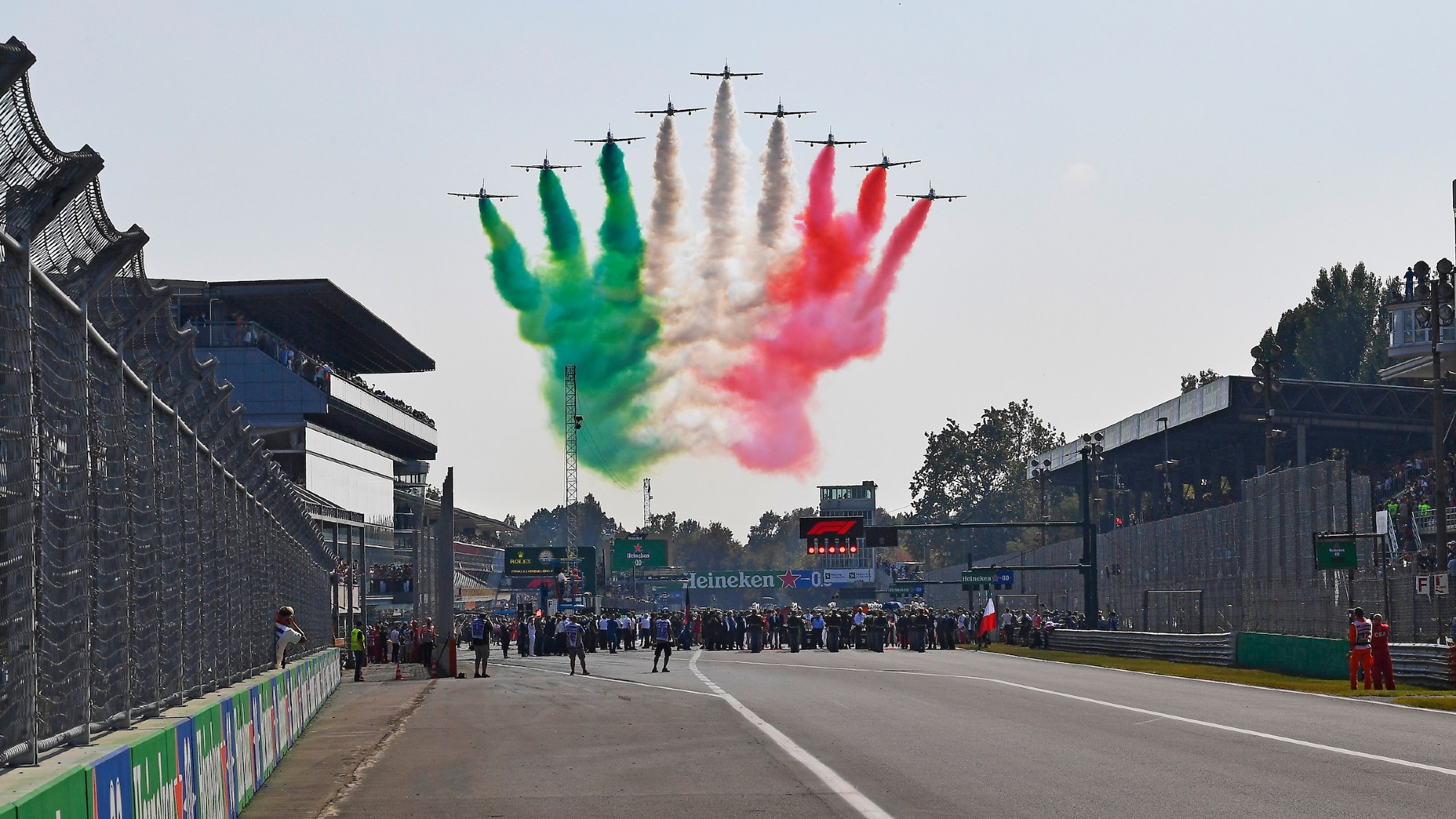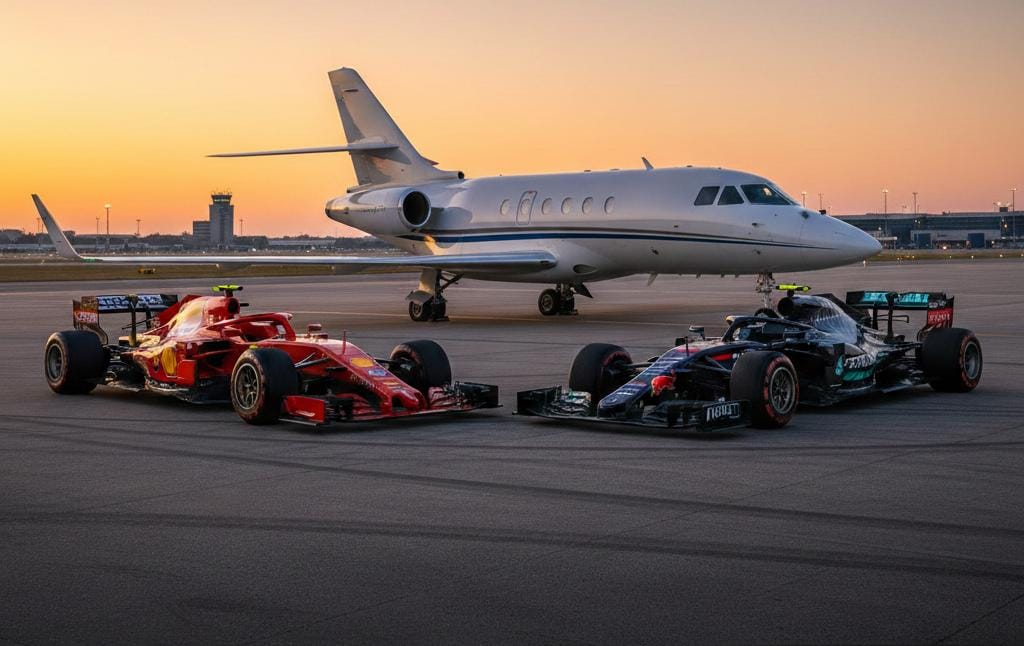
With the upcoming first dates of the Formula 1 2026 calendar, private aviation activity is expected to intensify across multiple regions worldwide. As with other major international sporting events, Formula 1 weekends tend to generate concentrated peaks in air traffic, particularly within business aviation, placing additional pressure on airport infrastructure and regional airspace systems. In this context, Aerowise, as an international player involved in the operation and analysis of business aviation movements, closely monitors the evolution of these demand patterns associated with high-profile events.
Historically, these periods are characterized by increased demand for airport access, limited parking availability, and higher levels of congestion at major international hubs. Based on Aerowise’s accumulated experience in operations linked to large-scale events, airport selection has become an increasingly relevant factor, as not all facilities are equally prepared to absorb sudden surges in traffic. While primary airports often handle the highest volumes, secondary and alternative airports play a key role in maintaining operational balance during peak-demand periods.
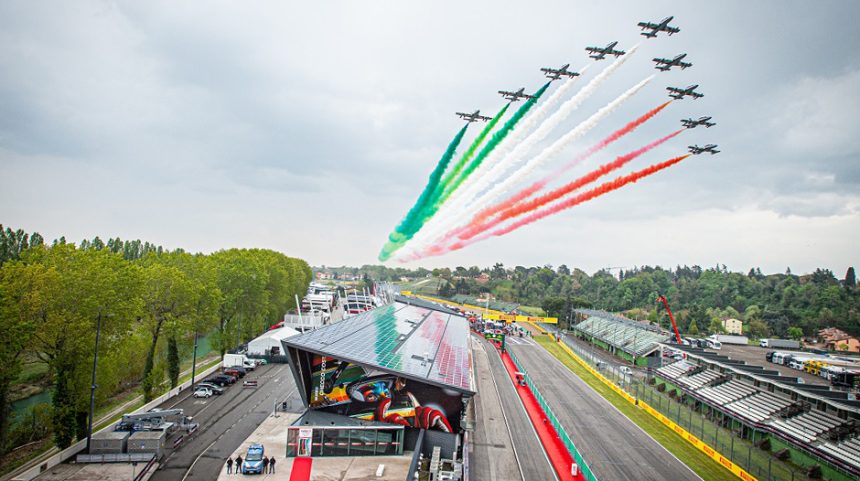
In many regions, the impact of large-scale events extends beyond the immediate vicinity of the host location. Traffic redistribution, temporary operational restrictions, and adjustments to airport procedures are common, affecting both scheduled and non-scheduled aviation. Aerowise identifies these dynamics as part of a temporary reconfiguration of regional aviation ecosystems, particularly evident during consecutive event weekends, when cumulative demand can place additional strain on available infrastructure.
The upcoming Formula 1 dates in Asia are drawing particular attention among operators due to the region’s specific regulatory environments and the long-haul nature of many operations. From Aerowise’s analytical perspective, traffic concentration around these events tends to amplify existing capacity limitations, especially at airports serving as primary international gateways. Comparable patterns are anticipated at select destinations in Europe and the Middle East, where Formula 1 dates coincide with already elevated seasonal traffic levels.
During major events, airport congestion tends to alter standard operating conditions. According to Aerowise’s ongoing monitoring, slot coordination becomes more structured, ground resources are pushed to their limits, and overall network flexibility is reduced. For business aviation, these periods increasingly resemble commercial peak-hour operations rather than routine private movements, reinforcing the need for a broader understanding of the operational environment.
Rather than isolated trips, Formula 1 weekends should be viewed as part of a global mobility pattern that temporarily reshapes air traffic flows, airport utilization, and regional connectivity. Through continuous observation of these phenomena, Aerowise contributes a systemic perspective on the challenges associated with high-demand periods within the international aviation calendar.