
Aerowise participated in a new edition of Corporate Jet Investor Latin America 2026 in São Paulo, one of the leading networking and strategic analysis forums within the region’s business aviation industry.
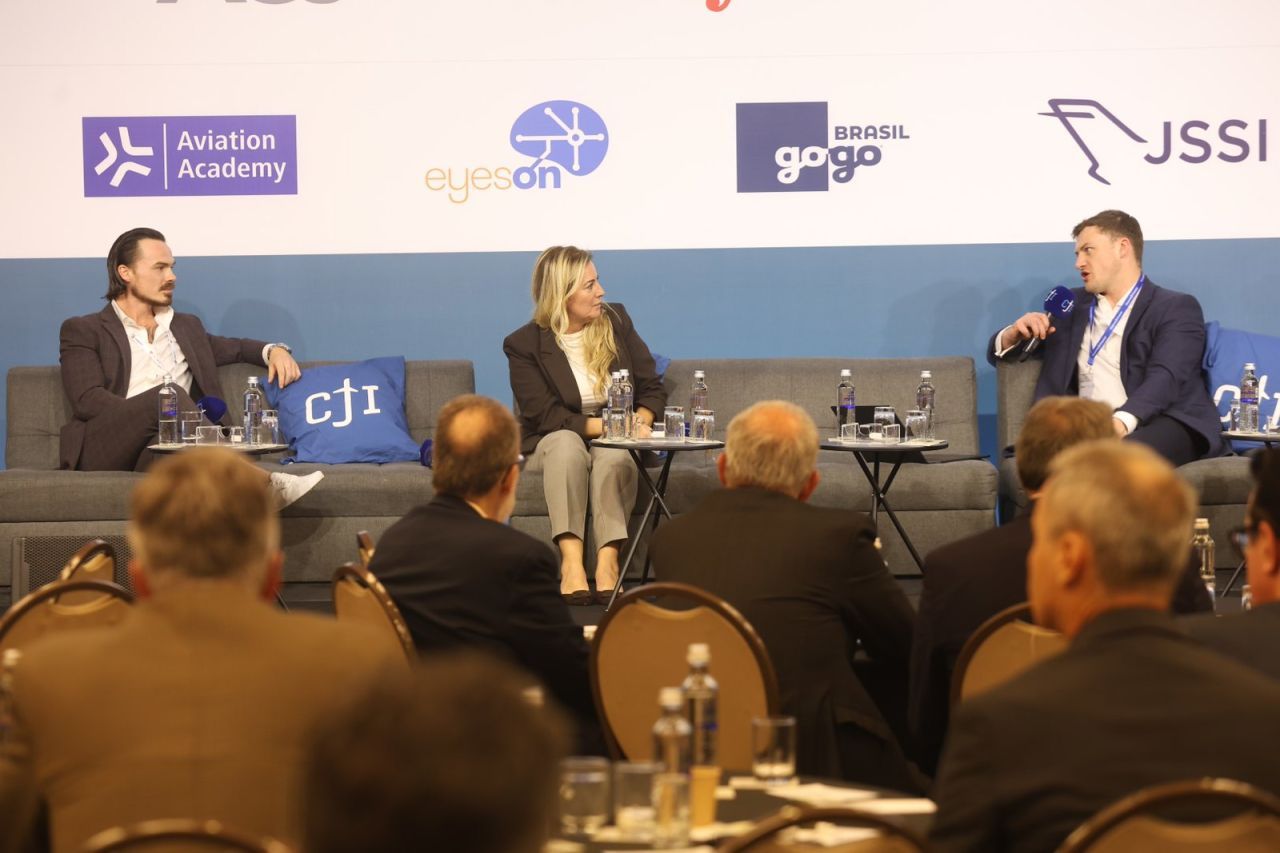
Representing the company, Perla Marina Fagúndez joined the panel “Growth Across the Caribbean, South America and the Southern Cone”, which explored the new operational dynamics shaping the Latin American market in a scenario marked by growing regional corporate traffic, increasing pressure on infrastructure, and evolving mission profiles.
The panel focused on how the Southern Cone is beginning to consolidate itself as an increasingly relevant market for operators, brokers, and aircraft owners requiring operational flexibility, reduced response times, and the ability to adapt to complex regulatory and logistical environments.
Within this context, participants analysed specific challenges currently impacting operations across South America, including the availability of slots and parking at strategic airports, limitations in FBO infrastructure, regional permit approval times, handling coordination, pressure on the fuel supply chain, and the growing demand for operationally driven solutions for multi-stop missions and highly complex flights.
One of the most widely discussed topics was Brazil’s tax reform and the potential impact it could have on aviation. Although there is still no complete clarity regarding the final scope of the measures or their precise economic impact on the sector, operators and industry stakeholders are following the issue closely due to the strategic importance of the Brazilian market within Latin America.
Another significant figure shared during the event was that Brazil added 1,294 new aircraft to its market during 2025, further consolidating its position as one of the most active business aviation hubs in the world outside the United States.
Guyana also emerged as one of the region’s major surprises. The country’s economic and energy-driven growth is beginning to translate directly into aviation activity, with the projected arrival of 12 new airlines and a sharp increase in corporate and logistical operations.

In the area of training and simulation, the opening of a new Citation simulator in Vienna was highlighted as a significant development — an addition expected to improve training slot availability and optimise costs for international operators and flight crews.
Onboard connectivity was another major topic of discussion. The industry is currently undergoing a transition marked by the differences between traditional aeronautical systems and new satellite-based solutions such as Starlink, particularly in terms of speed, coverage, stability, and the evolving expectations of corporate passengers.
On the other hand, Airbus presented discussions related to a new premium project in Chile focused on operations to Antarctica. The concept is based on aircraft configured exclusively in First Class with reduced capacity — approximately 34 passengers — targeting an ultra-high-end expeditionary tourism segment.
Finally, one of the most notable takeaways from the event was the high level of collaboration among Brazilian industry stakeholders. Operators, brokers, suppliers, and other sector participants demonstrate strong integration and a consistent ability to work together, further positioning Brazil as one of the most robust and developed business aviation ecosystems in the region.
Aerowise’s participation in Corporate Jet Investor Latin America 2026 also reflects the growing positioning of South American companies within the industry’s strategic conversations, contributing real-world expertise in regional operations, international coordination, and support for corporate, medical, and special mission flights across highly complex operational environments.
In a context where Latin America continues to show sustained growth in the business aviation segment, forums such as Corporate Jet Investor Latin America 2026 provide an essential platform to discuss not only market trends, but also the structural challenges that will define the next phase of development for the region’s executive aviation industry.