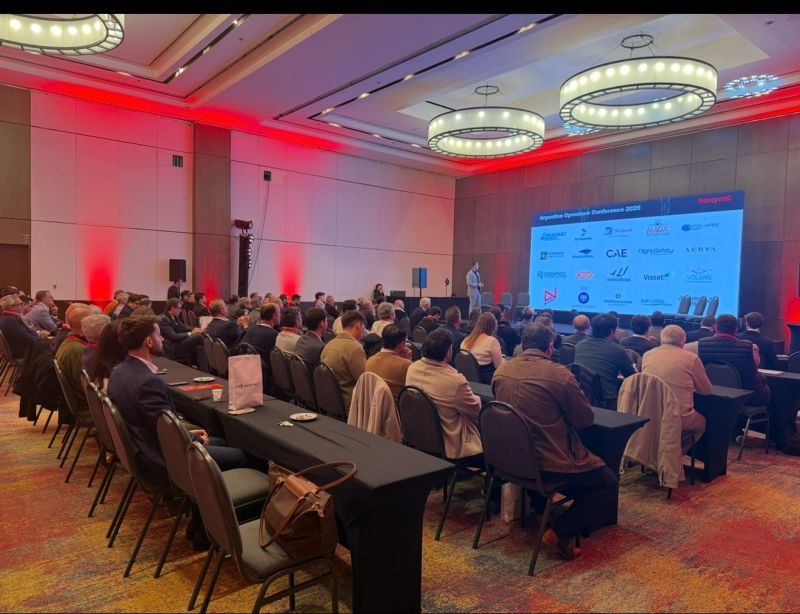
Aerowise recently took part in another edition of the Honeywell Operators Conference, one of the most significant gatherings for the business aviation industry in Latin America. The event brought together operators, manufacturers, maintenance organisations, industry associations and service providers to discuss the trends reshaping the market.
The conference provided a valuable opportunity to exchange experiences, address common operational challenges and explore the technologies that will define the future of corporate aviation across the region and beyond.
The Argentine Market Continues to Evolve
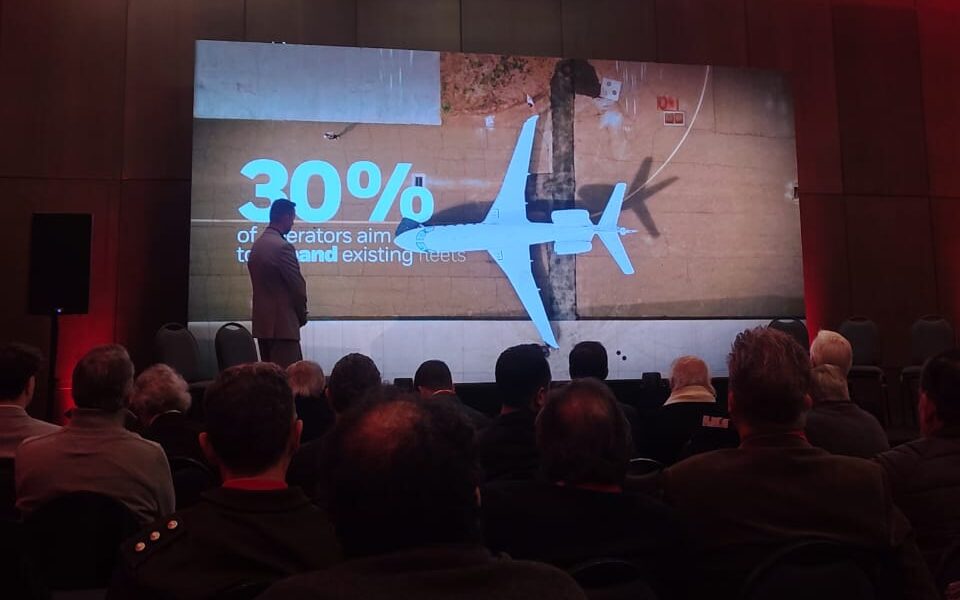
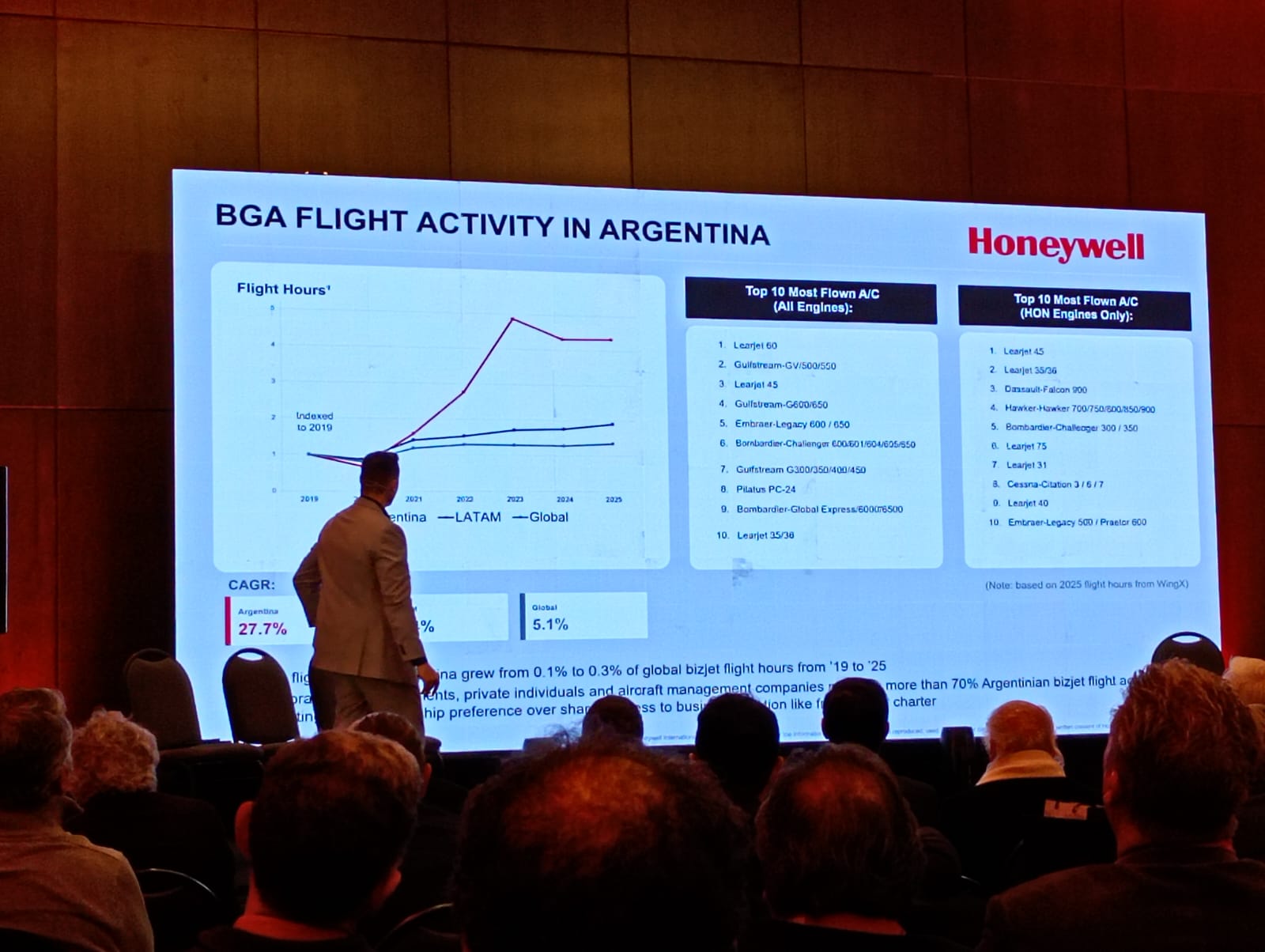
One of the most insightful sessions featured Honeywell’s comprehensive review of the Argentine aviation market. Together with representatives from AERYA, APRA, Redimec and Royal Class, the panel analysed the evolution of industry activity, highlighting the sustained growth of both fixed-wing and rotary-wing fleets throughout the country.
Particular attention was given to the expansion of the midsize and super-midsize segments, driven by increasing demand for corporate connectivity and international operations. The discussion also underscored the growing role of business aviation in supporting key industries such as tourism, oil and gas, mining and other strategic sectors of the economy.
The conversation reflected an industry that continues to mature, embracing new technologies and developing increasingly sophisticated solutions to support growth throughout Argentina and the wider region.
At the same time, panellists unanimously emphasised the importance of maintaining a robust regulatory and operational framework, clear rules and stronger collaboration between private stakeholders and the national aviation authorities.
Smart Engines and Predictive Maintenance
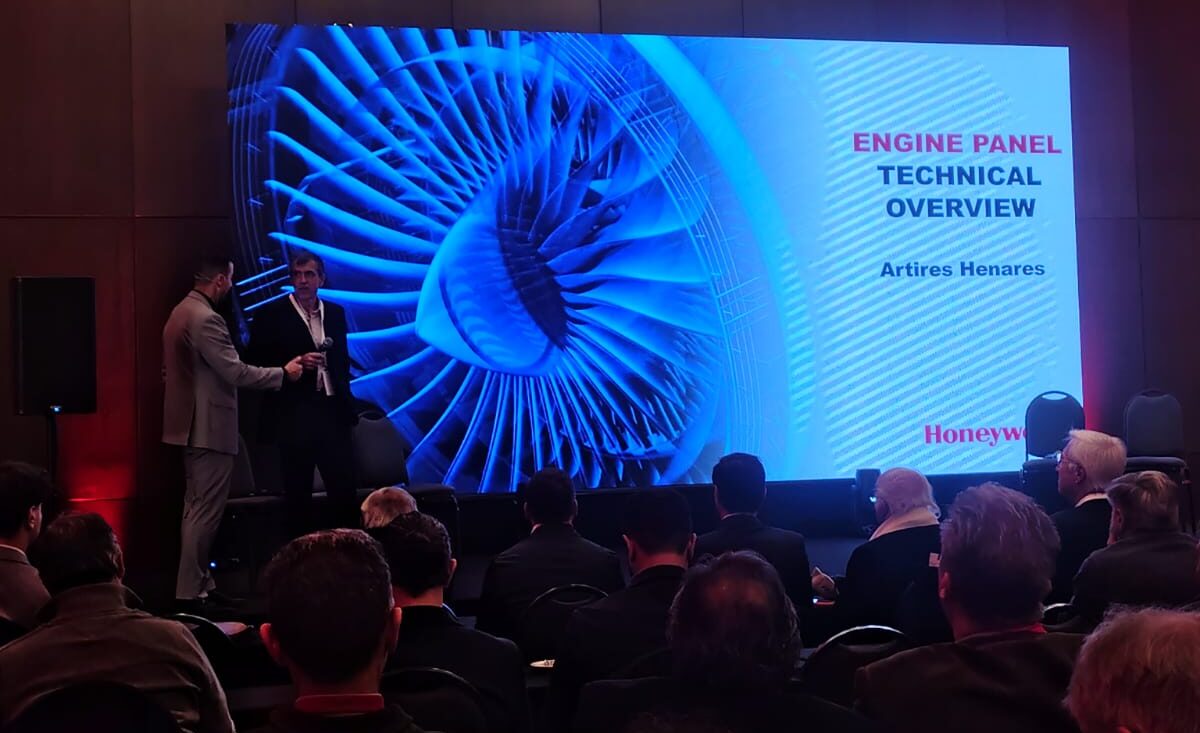
From an engine and technical support perspective, Honeywell presented several updates related to the HTF and TFE731 engine families, two of the most widely deployed powerplants in business aviation today.
Among the topics discussed were engine exchange programmes designed to minimise aircraft downtime and maximise operational availability.
Honeywell also highlighted the continued evolution of its digital monitoring capabilities through Honeywell Ensemble, a platform that enables engine health monitoring through the automated collection and analysis of operational data.
This predictive and data-driven approach is transforming maintenance management by identifying trends and anomalies at an early stage, allowing operators to anticipate potential technical events before they affect aircraft availability.
Throughout the presentations, speakers demonstrated how growing connectivity between aircraft, engines and digital platforms is fundamentally changing the way operators and maintenance departments manage their fleets.
Through wireless technologies, Wi-Fi connectivity, Bluetooth integration and automated data transmission systems, information generated during each flight can now be analysed in near real-time to support both operational and maintenance decision-making.
The integration of engine health monitoring, artificial intelligence, predictive analytics and support programmes emerged as one of the strongest themes of the conference.
The objective is no longer simply to repair a fault once it occurs. The focus has shifted towards anticipating issues, reducing downtime, increasing aircraft availability and optimising operating costs throughout the entire lifecycle of the asset.
Avionics, Navigation and Operational Safety
The evolution of avionics also featured prominently within the conference agenda.
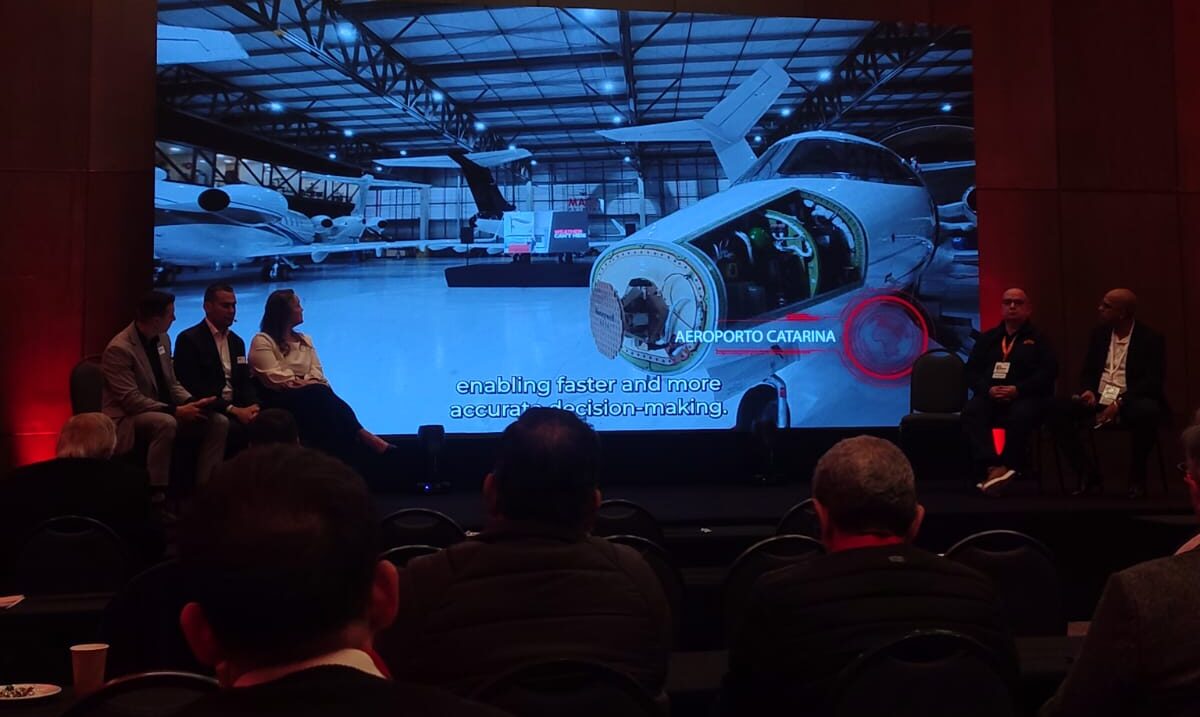
Honeywell presented modernisation capabilities associated with the IntuVue RDR-7000 weather radar system, a solution that continues to expand through Supplemental Type Certificate (STC) programmes across multiple business aircraft platforms, enhancing situational awareness and improving weather threat detection capabilities.
Operational safety was another central theme.
Honeywell specialists shared insights based on NTSB investigations involving unstable approaches and Controlled Flight Into Terrain (CFIT) events, two factors that continue to appear recurrently in aviation accidents worldwide.
The programme also explored advanced navigation tools based on Performance-Based Navigation (PBN), with particular emphasis on Radius-to-Fix (RF) procedures, which allow for more precise flight paths, reduced crew workload and improved operational efficiency.
In addition, several initiatives aimed at streamlining procedures through the rationalisation and elimination of unnecessary waypoints were discussed, improving predictability, efficiency and sustainability across flight operations.
Connectivity Becomes the New Standard
Another major topic throughout the conference was the continued growth of satellite connectivity.
Honeywell highlighted how access to high-speed internet in flight has become an increasingly important requirement for aircraft owners, operators and passengers alike, driving new investments in global connectivity infrastructure and services.
Connectivity is no longer a differentiator. It has become an operational necessity.
From technical data transmission and remote monitoring to in-flight communications and passenger experience, digitalisation continues to redefine how aviation operations are managed.
International operations also received significant attention during the event, with industry experts analysing the logistical challenges associated with major global events and the operational considerations that will become increasingly relevant as corporate traffic continues to grow in the coming years.
Aerowise: Building an Ecosystem for Business Aviation
As part of our participation in the Honeywell Operators Conference, we had the opportunity to share Aerowise’s evolution and present the initiatives driving the next stage of our company’s growth.
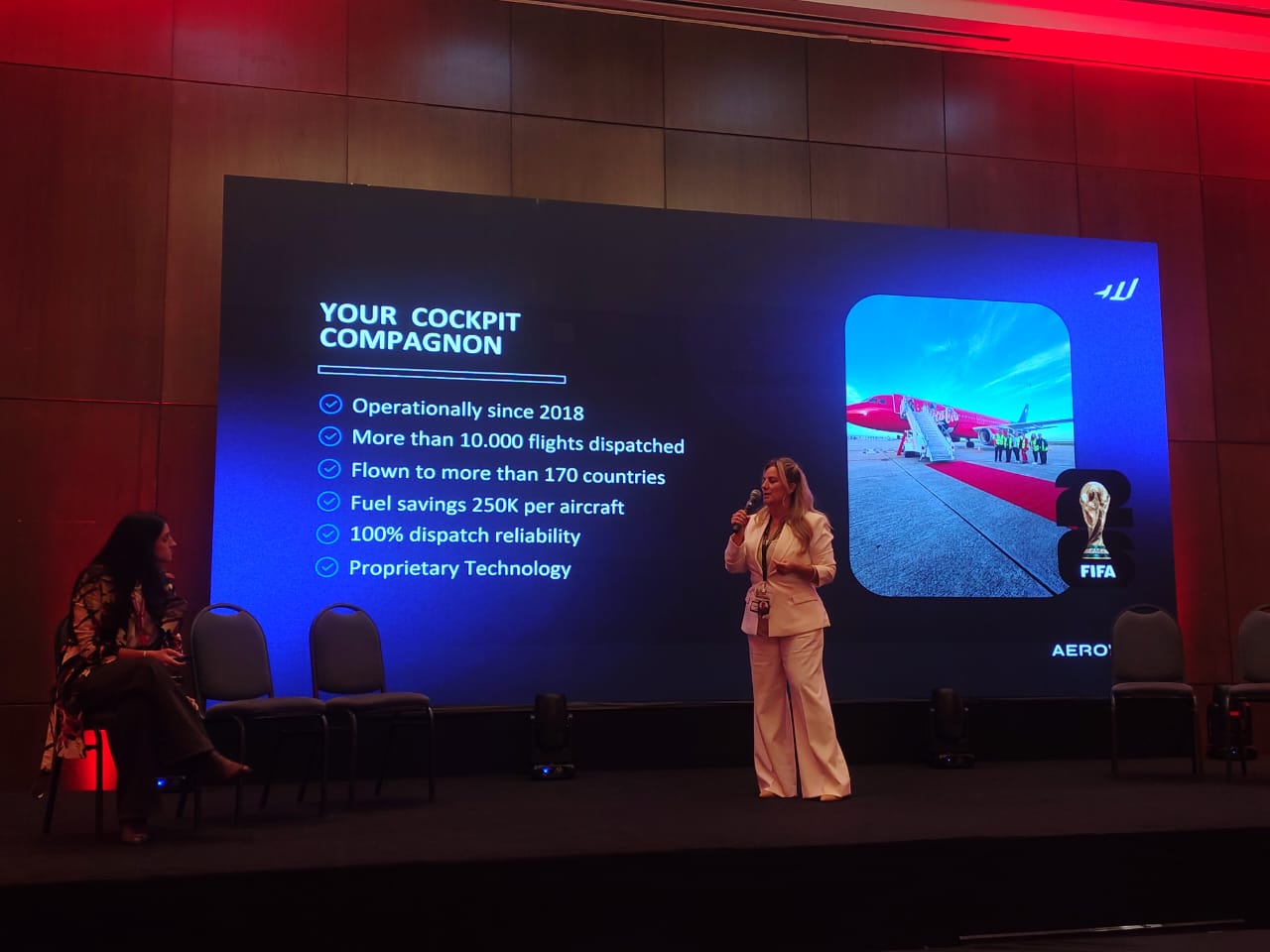
During our presentation, led by our CEO & Owner, Perla Fagundez, we reviewed some of the key milestones achieved since Aerowise was founded in 2018.
Over the years, we have coordinated more than 10,000 flights worldwide, supporting operations across more than 170 countries and building a global support network capable of assisting business aviation missions virtually anywhere in the world.
We also shared the continued growth of our digital solutions.
Our proprietary application has already been used to manage more than 2,000 operations, helping operators centralise critical information, streamline workflows and gain greater visibility across every stage of a mission.
One of the achievements we are most proud of is having generated fuel savings exceeding USD 250,000 for our clients through operational optimisation strategies, efficient flight planning, route analysis and service negotiations.
In an industry where every operational decision directly impacts costs, we believe these results demonstrate the value of combining experience, technology and a deep understanding of the global aviation marketplace.
Looking Ahead
Our participation in the Honeywell Operators Conference 2026 reaffirmed our commitment to innovation, operational excellence and the development of solutions that support the continued evolution of the industry.
The key takeaways from the event were clear: increased connectivity, process digitalisation, predictive maintenance, advanced data analytics, operational optimisation and an ever-closer integration between technology and services.
At Aerowise, we greatly value opportunities such as these and the ability to collaborate alongside industry leaders such as Honeywell.
We remain committed to playing an active role in this transformation by developing tools that deliver greater efficiency, transparency and tangible value to our clients, while contributing to the growth of an increasingly modern, connected and global business aviation industry.