As part of our business tour of São Paulo and the activities surrounding LABACE 2026, Aerowise conducted an institutional visit to São Paulo Catarina Executive International Airport, in São Roque, one of Brazil’s leading business aviation hubs.
The visit followed Aerowise’s participation in the II Encontro Nacional de Segurança de Voo da Aviação Geral, organised by the Associação Brasileira da Aviação Geral (ABAG), and at LABACE 2026, as part of an agenda focused on gaining deeper insight into the Brazilian market, strengthening relationships with key industry stakeholders and continuing to expand Aerowise’s international support network.
More than a protocol visit, the tour provided a first-hand insight into the airport’s infrastructure, operations and wider aviation ecosystem, offering a direct perspective on the reality of business aviation in Brazil.
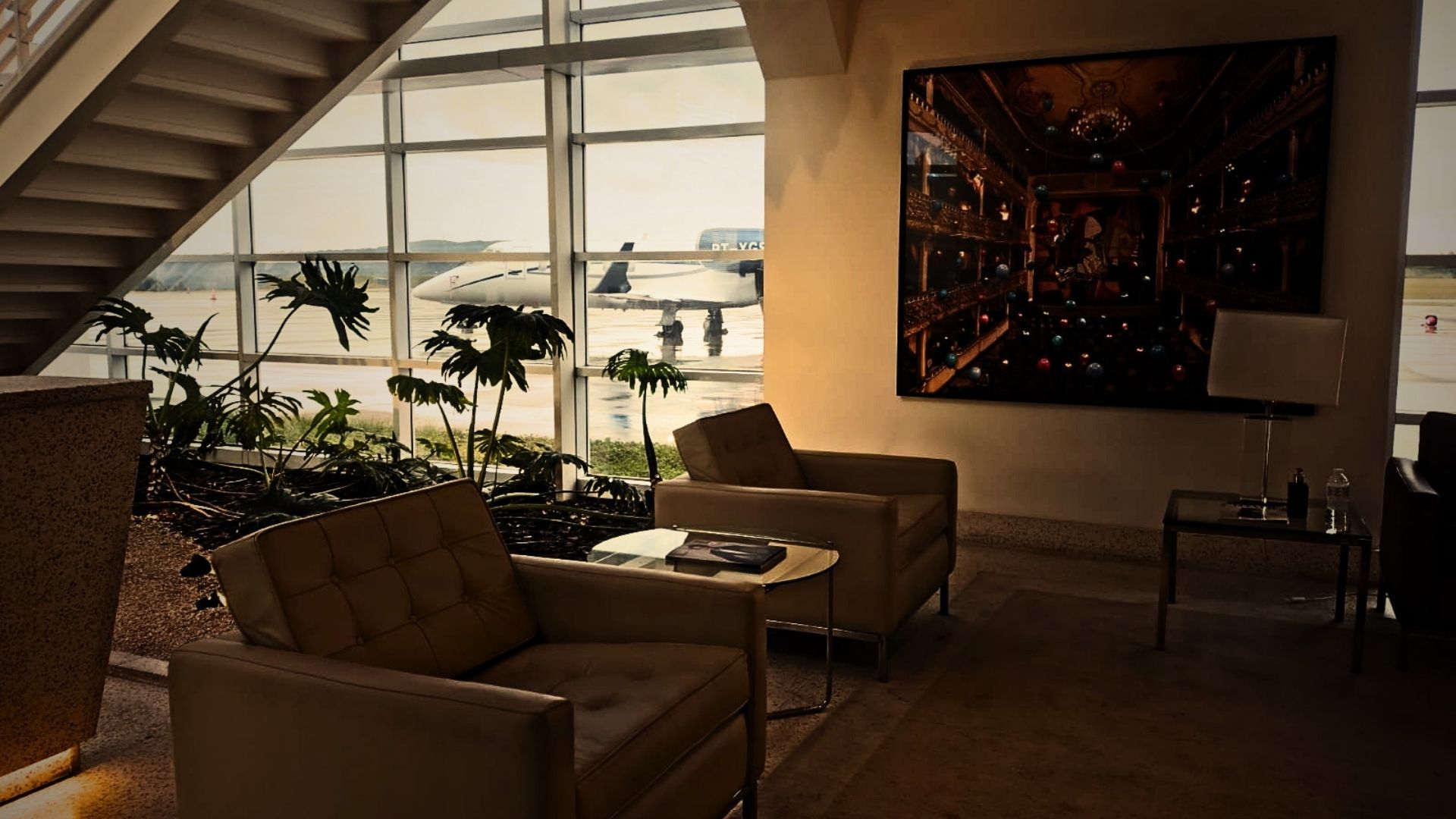
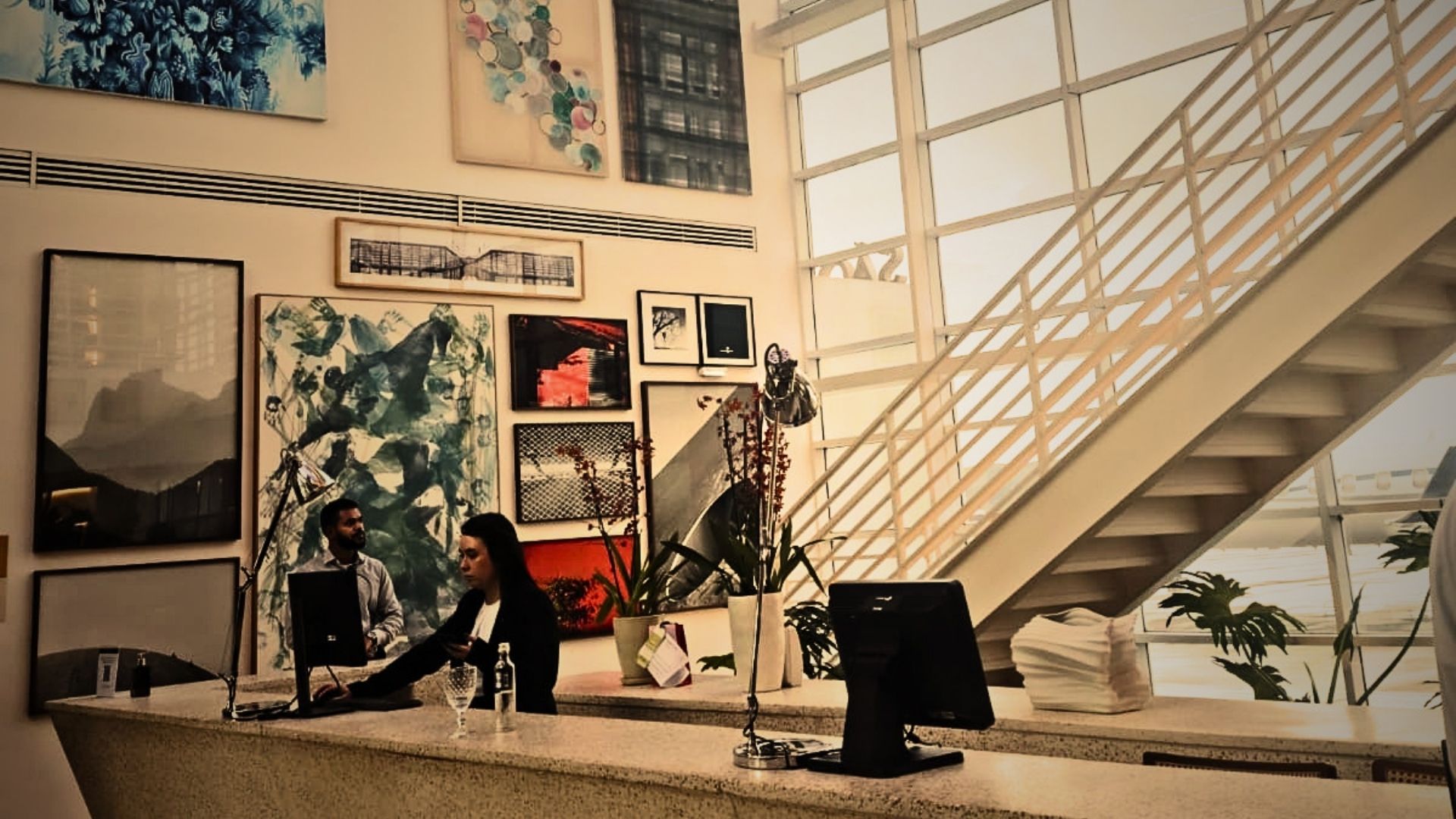

The Aviation Market from the Inside
From Aerowise’s perspective, an aviation operation does not begin when an aircraft or operator requests a permit, slot or handling service. It starts much earlier — with a thorough understanding of airport infrastructure, document management and, above all, the relationships built across the ecosystem that enables and supports operations safely and efficiently.
In this context, having first-hand knowledge of an airport takes on particular importance.
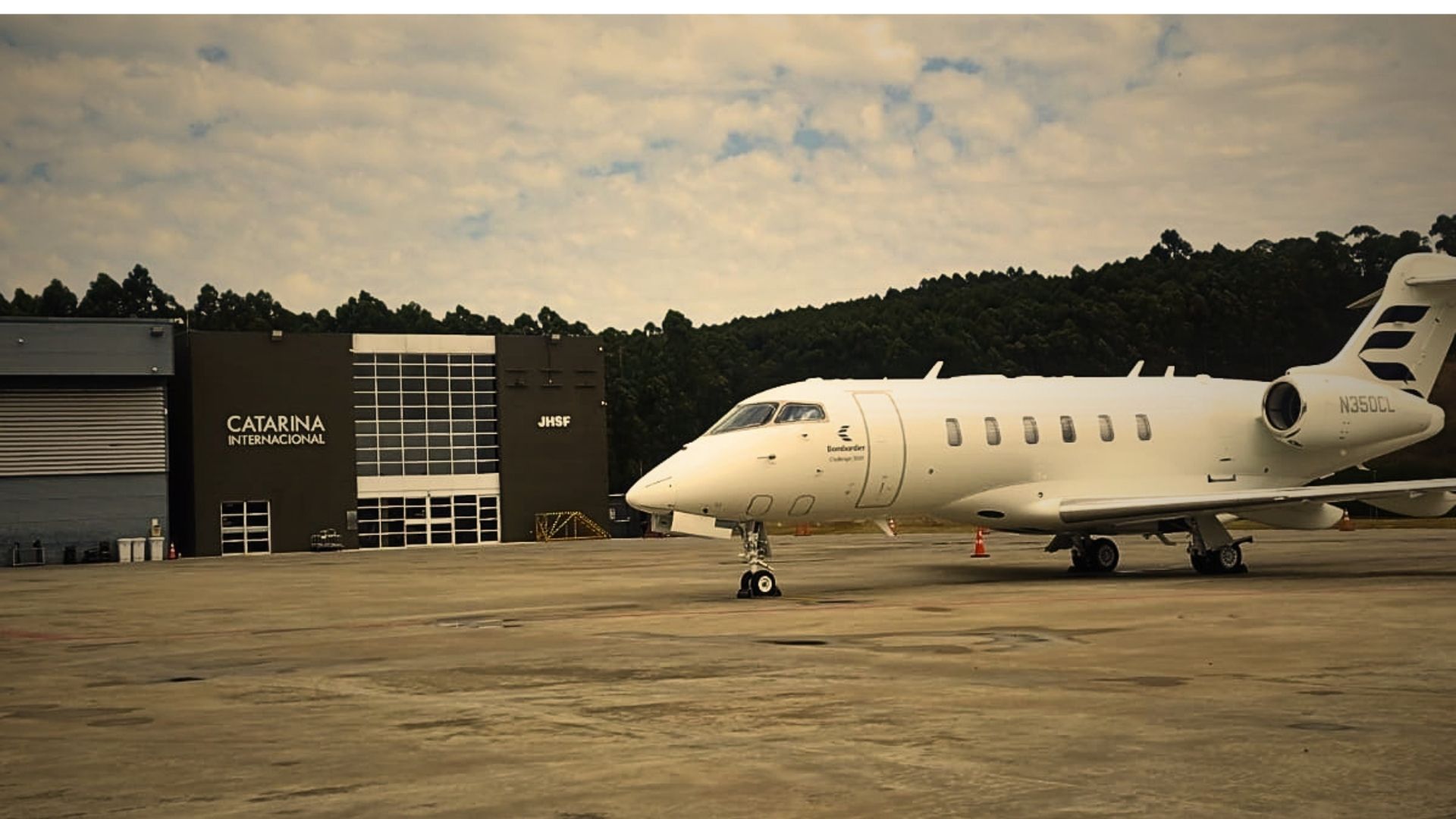
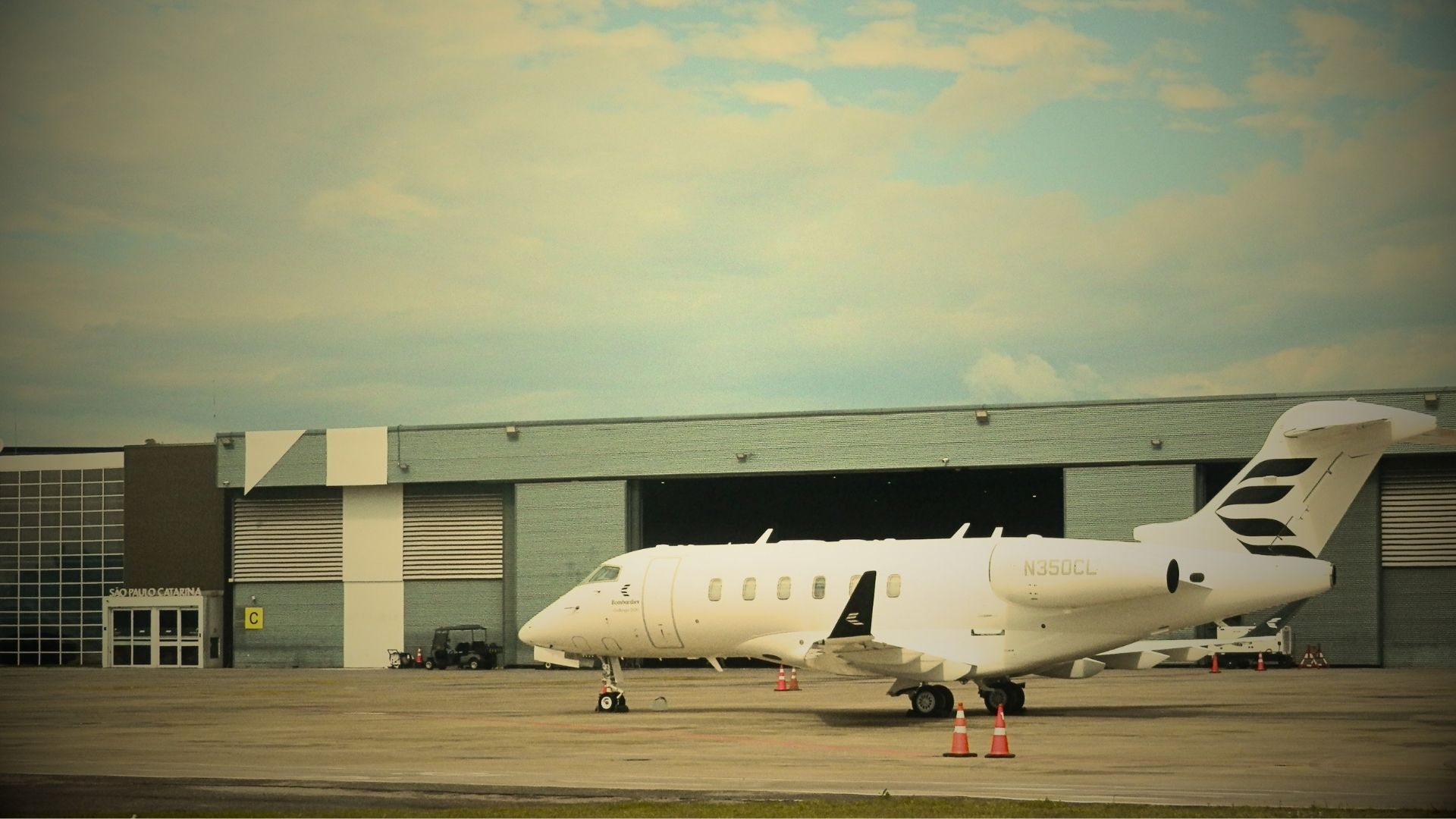
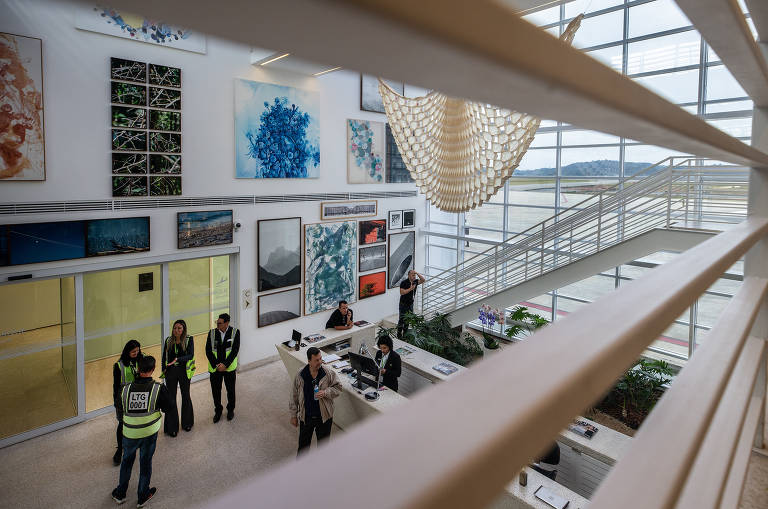
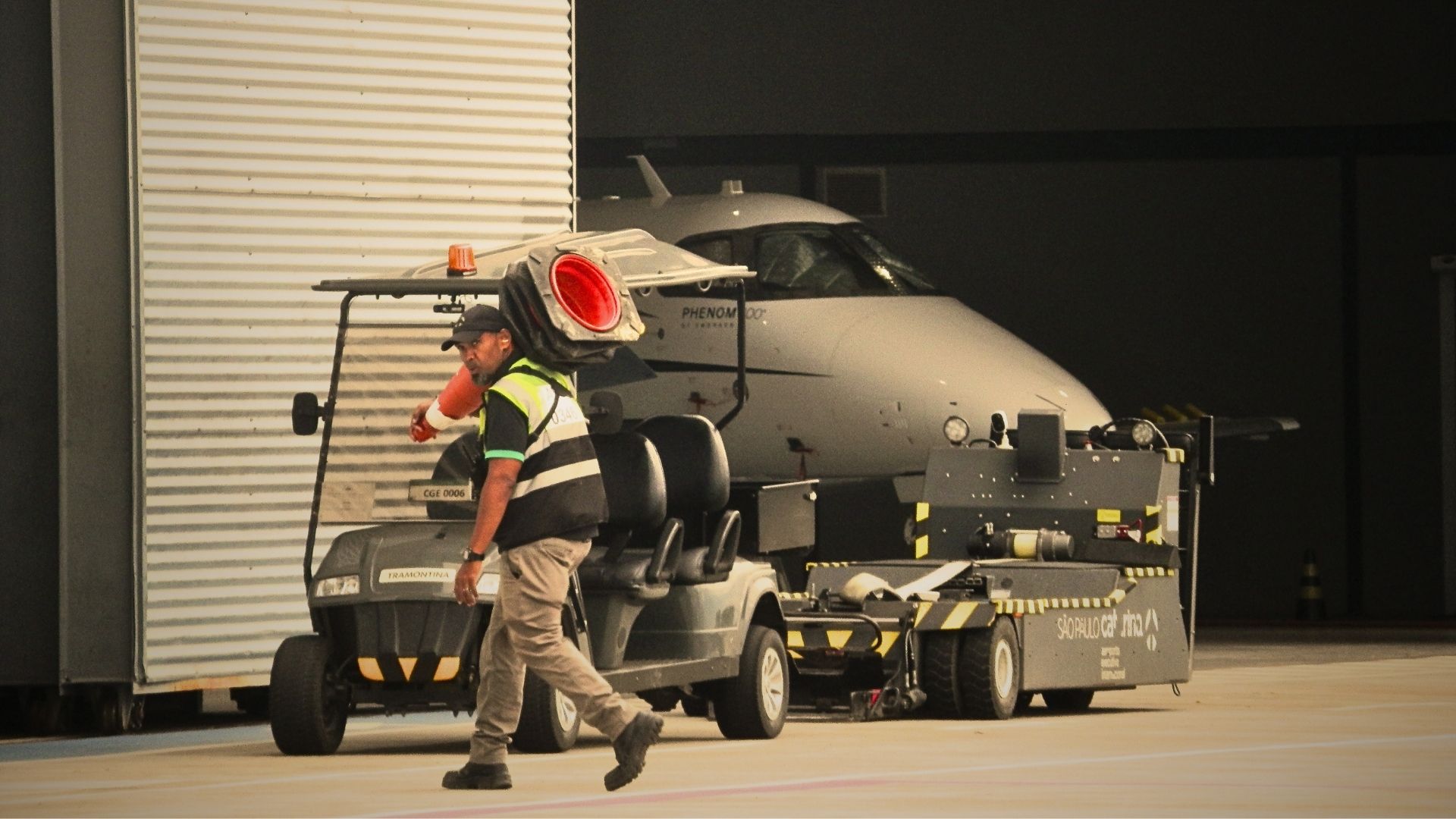
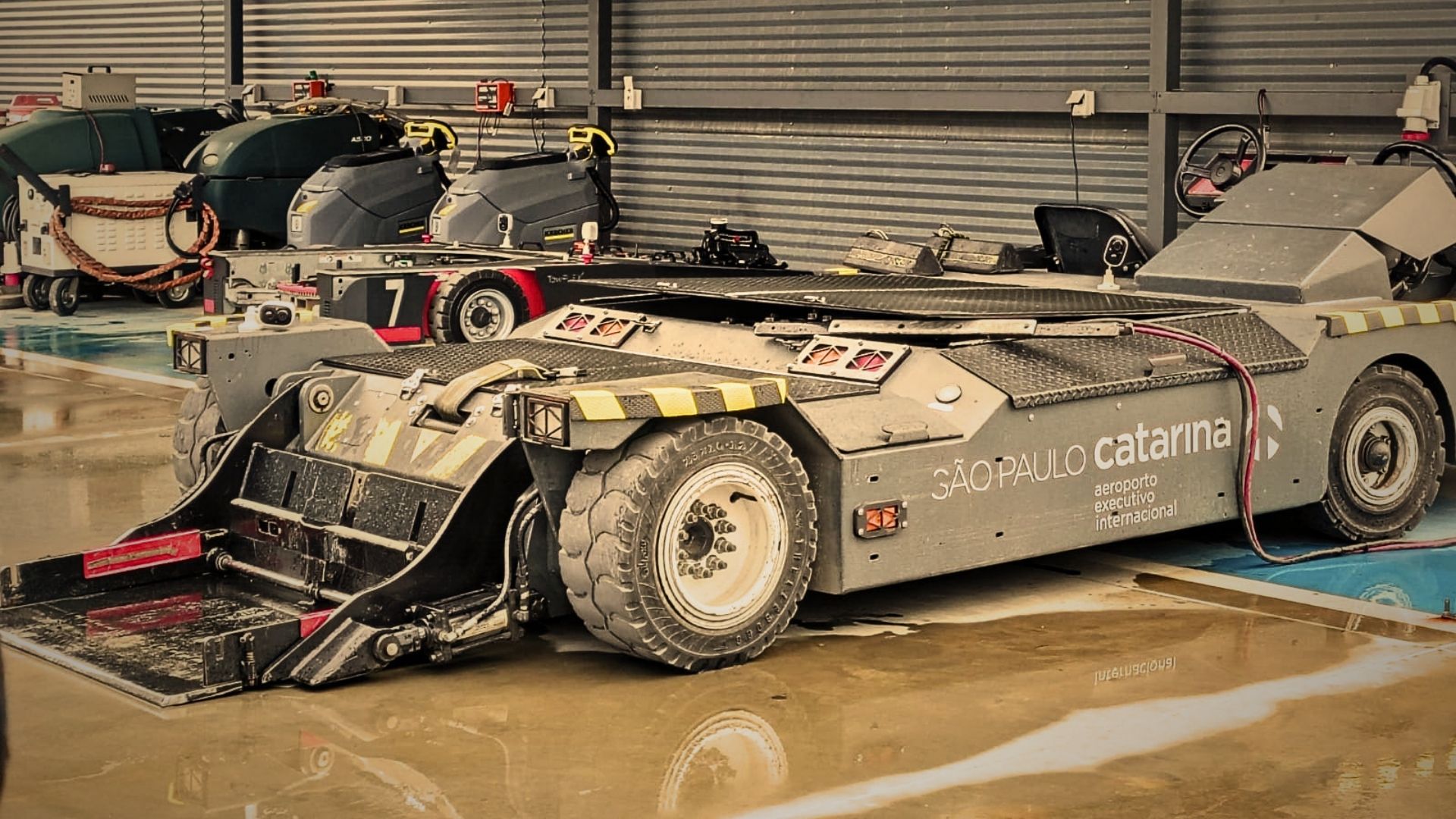
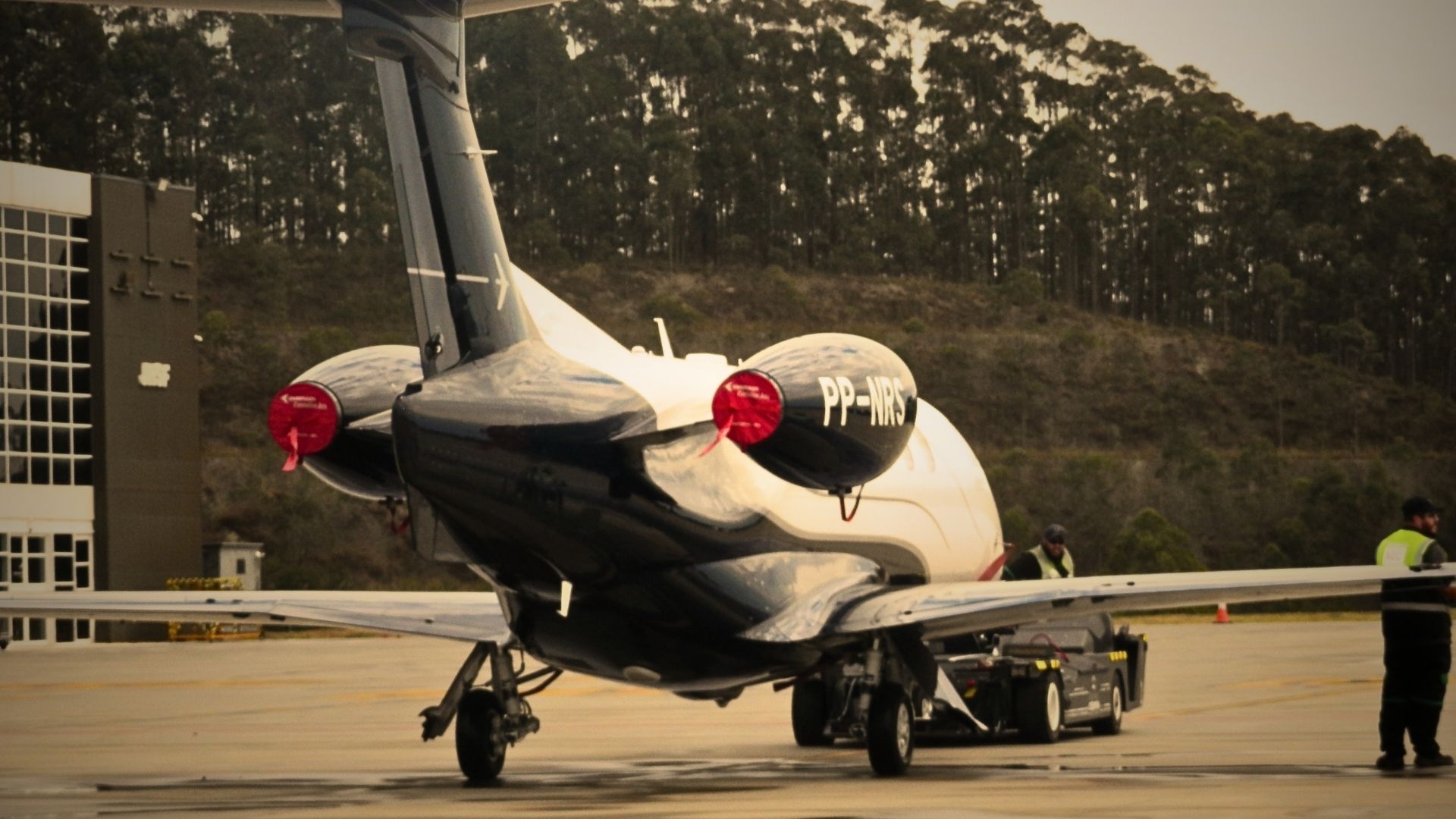
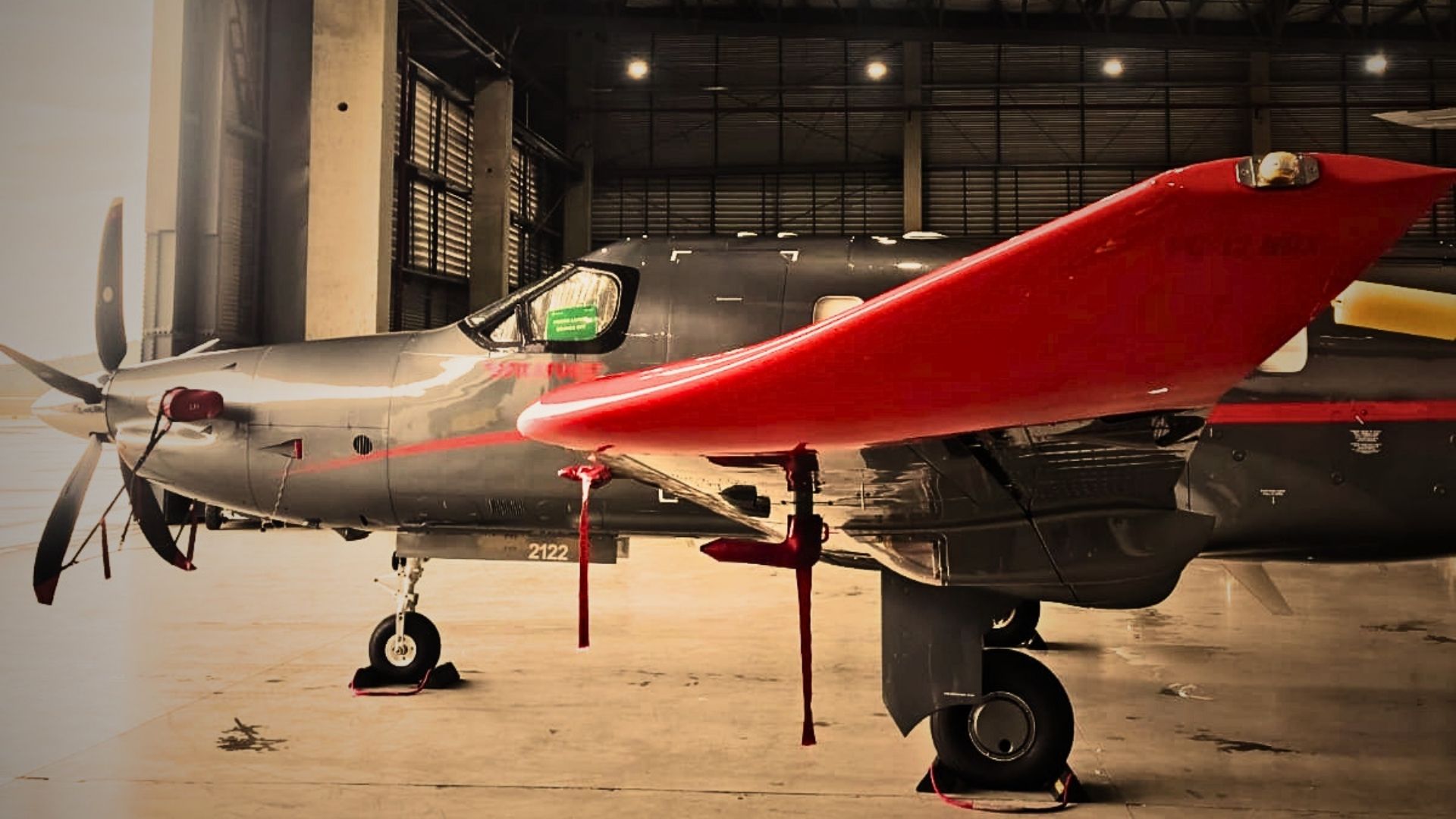
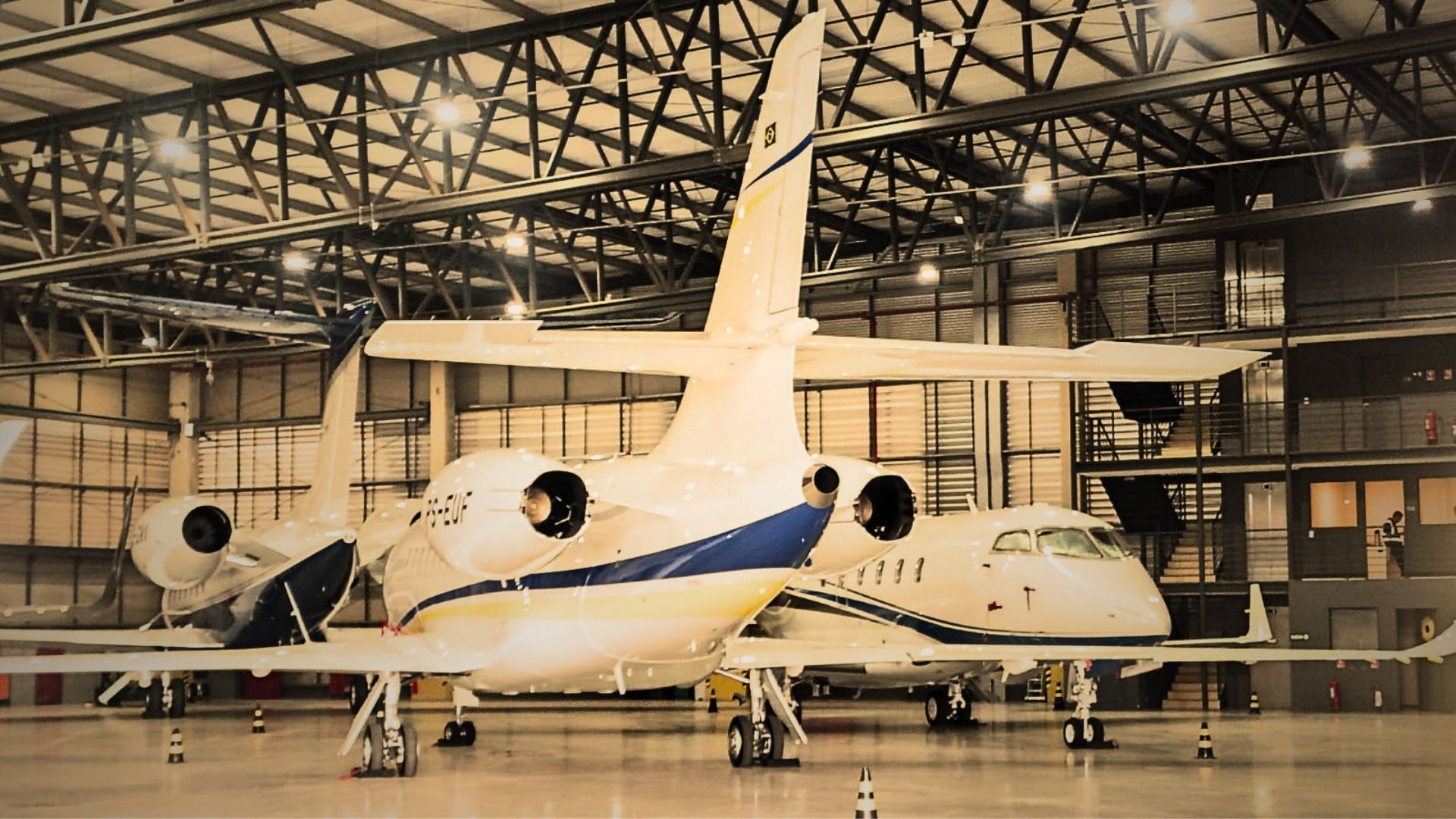
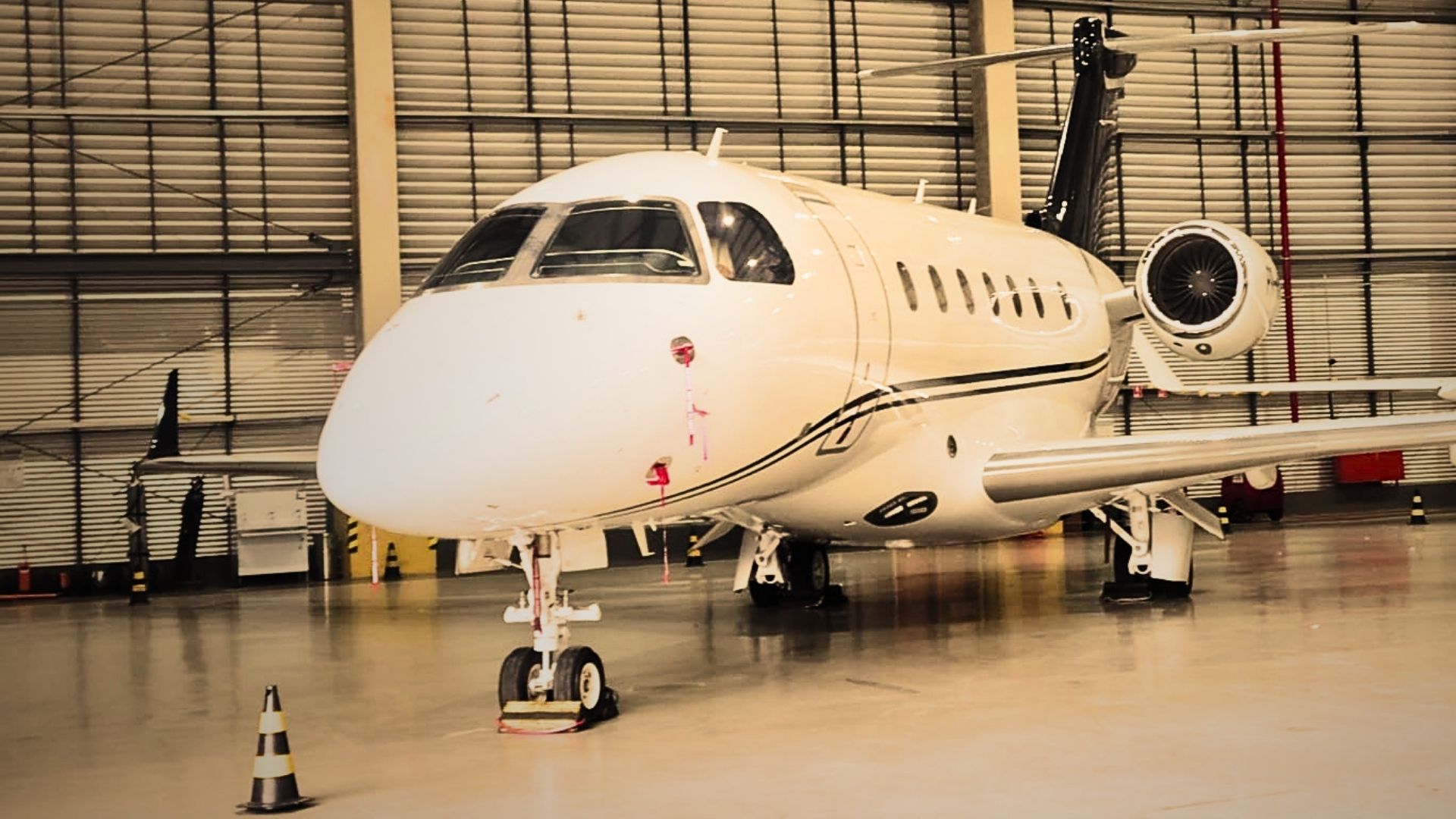
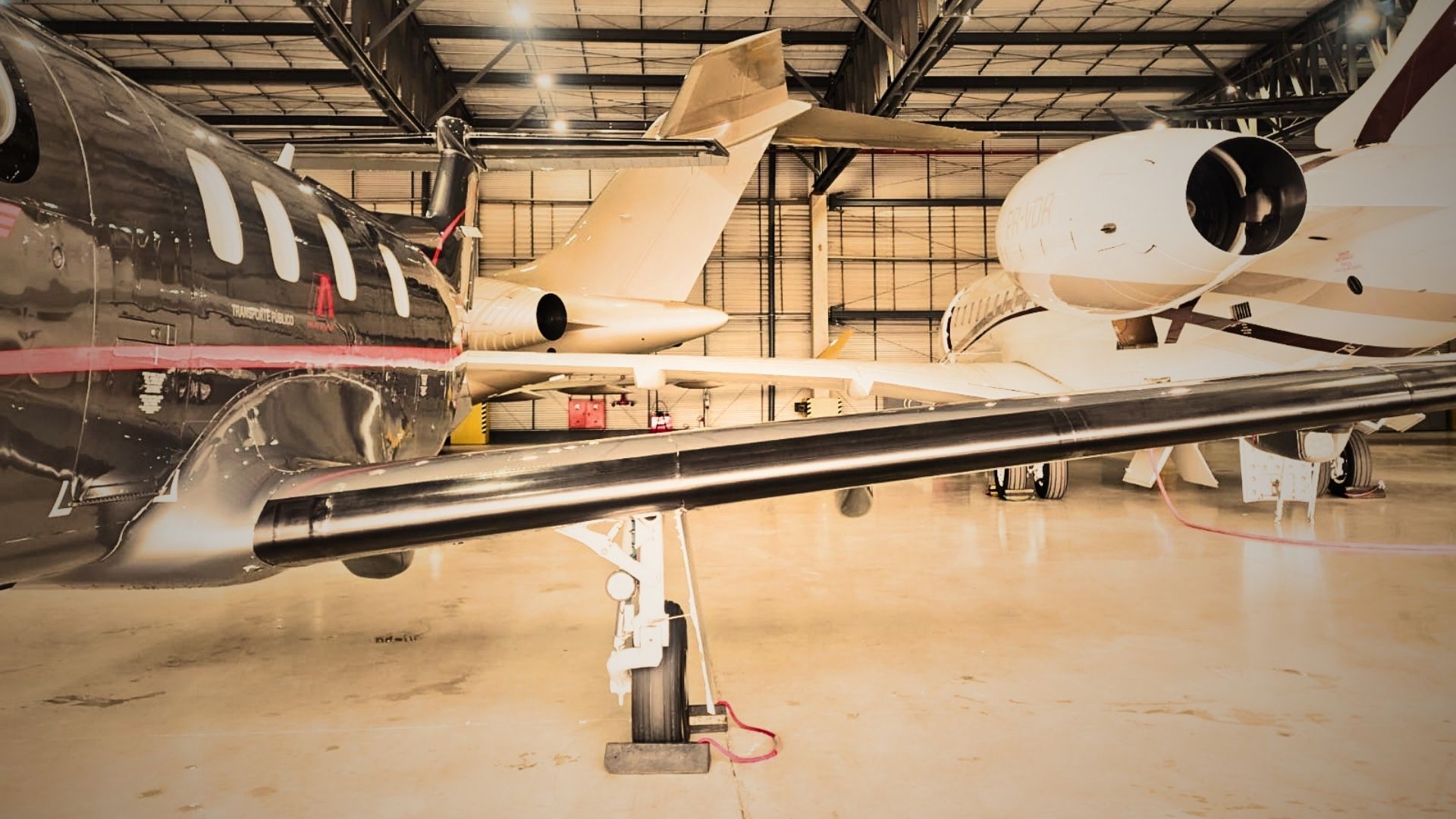
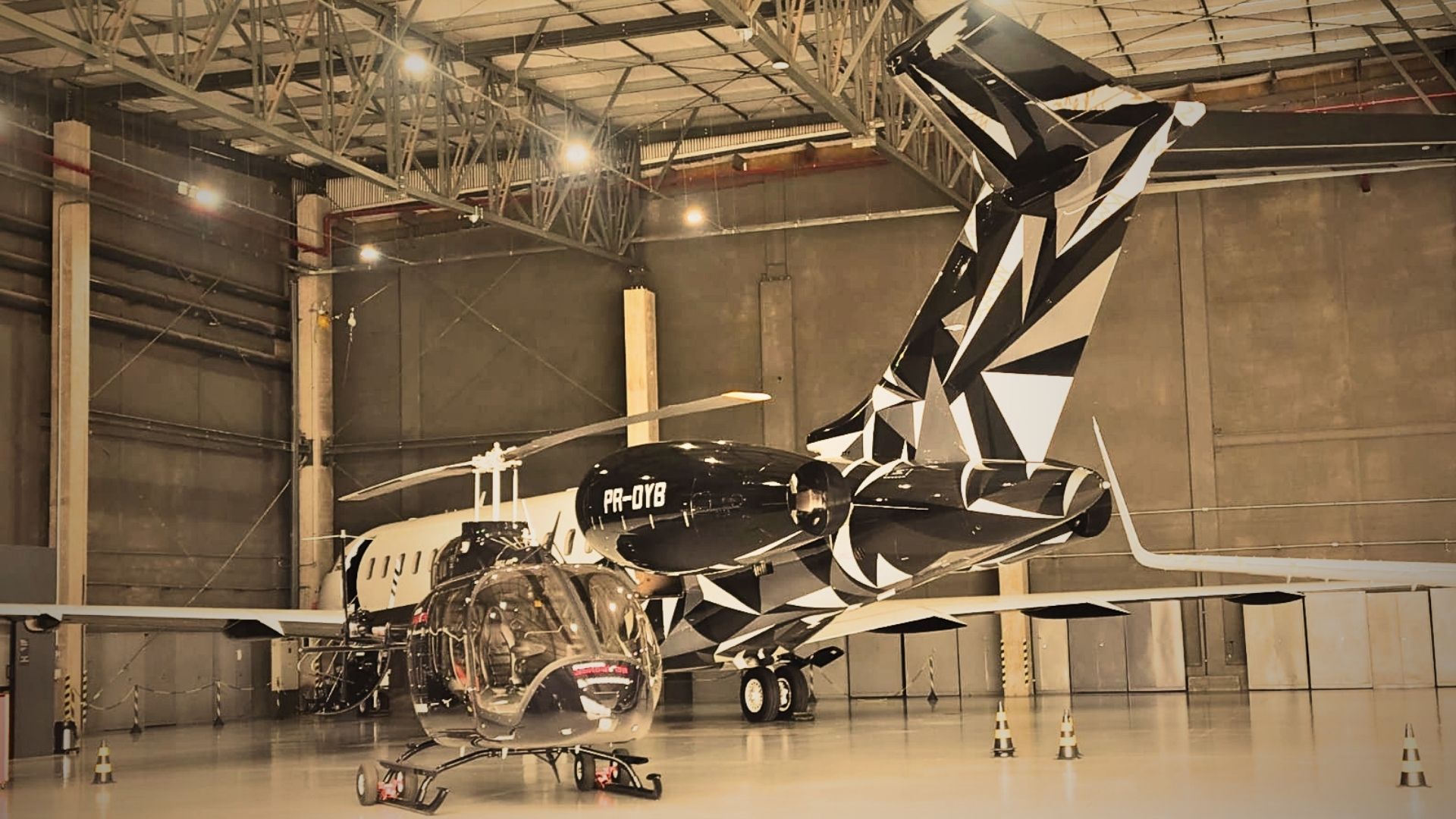
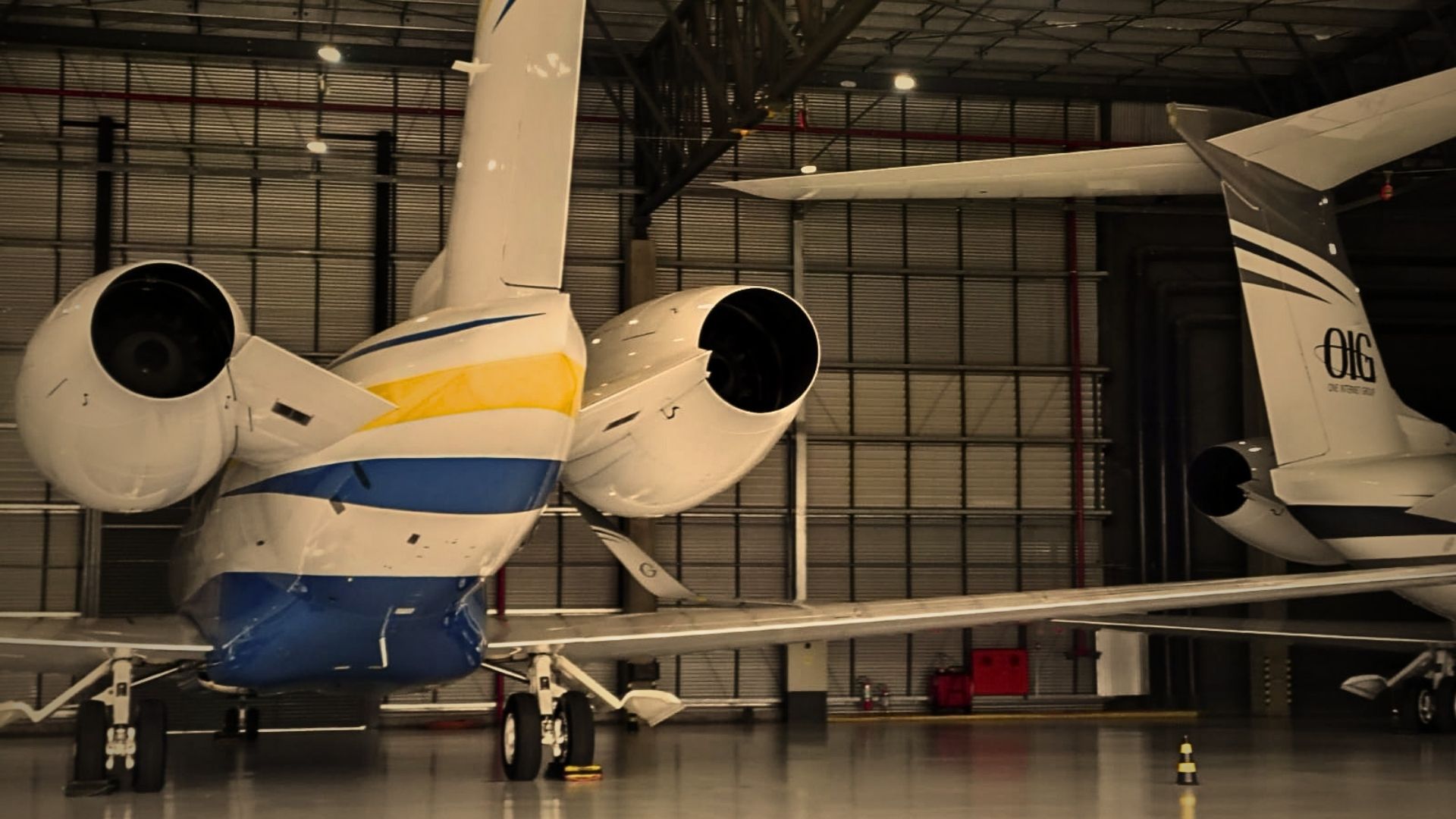
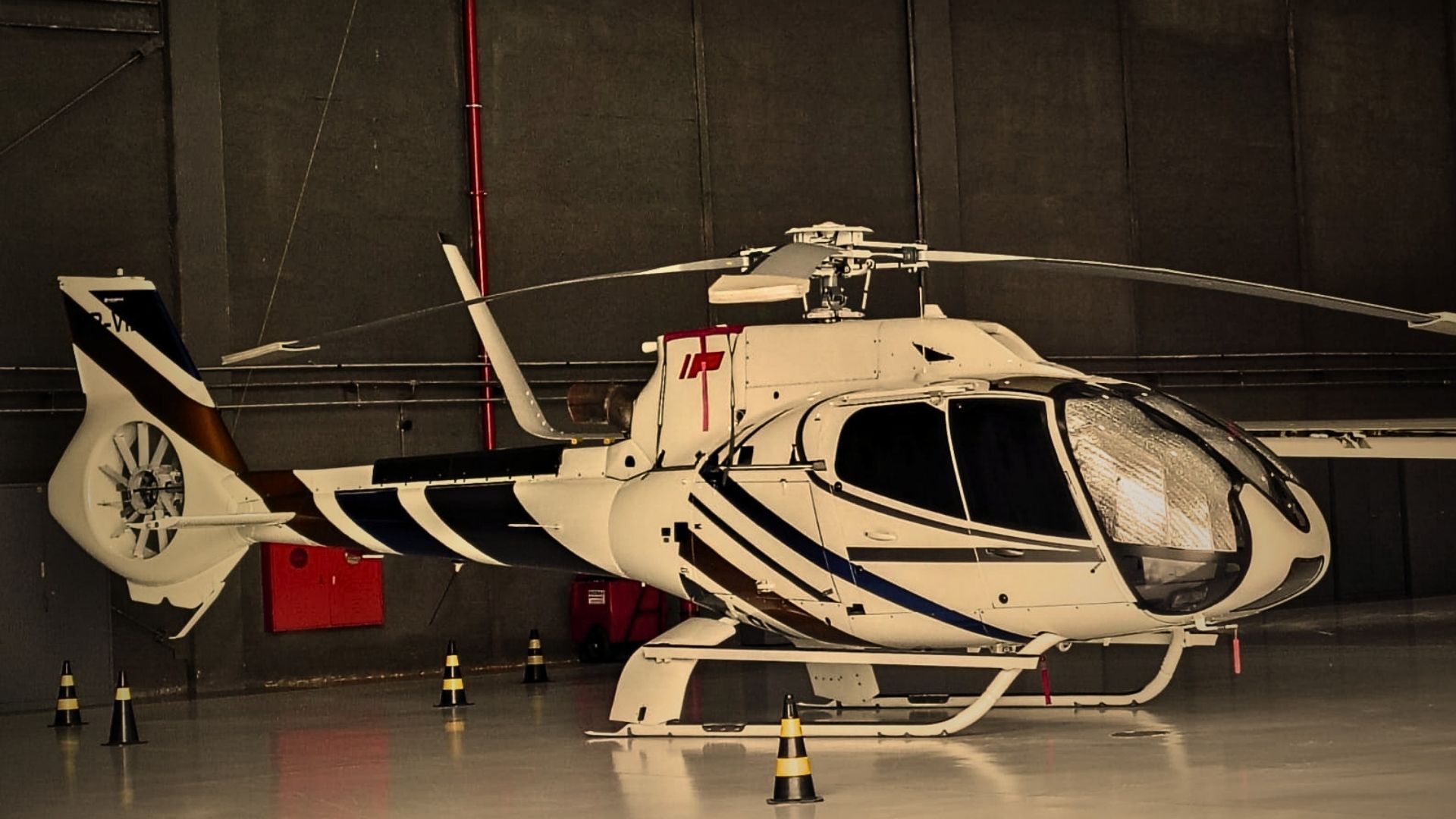
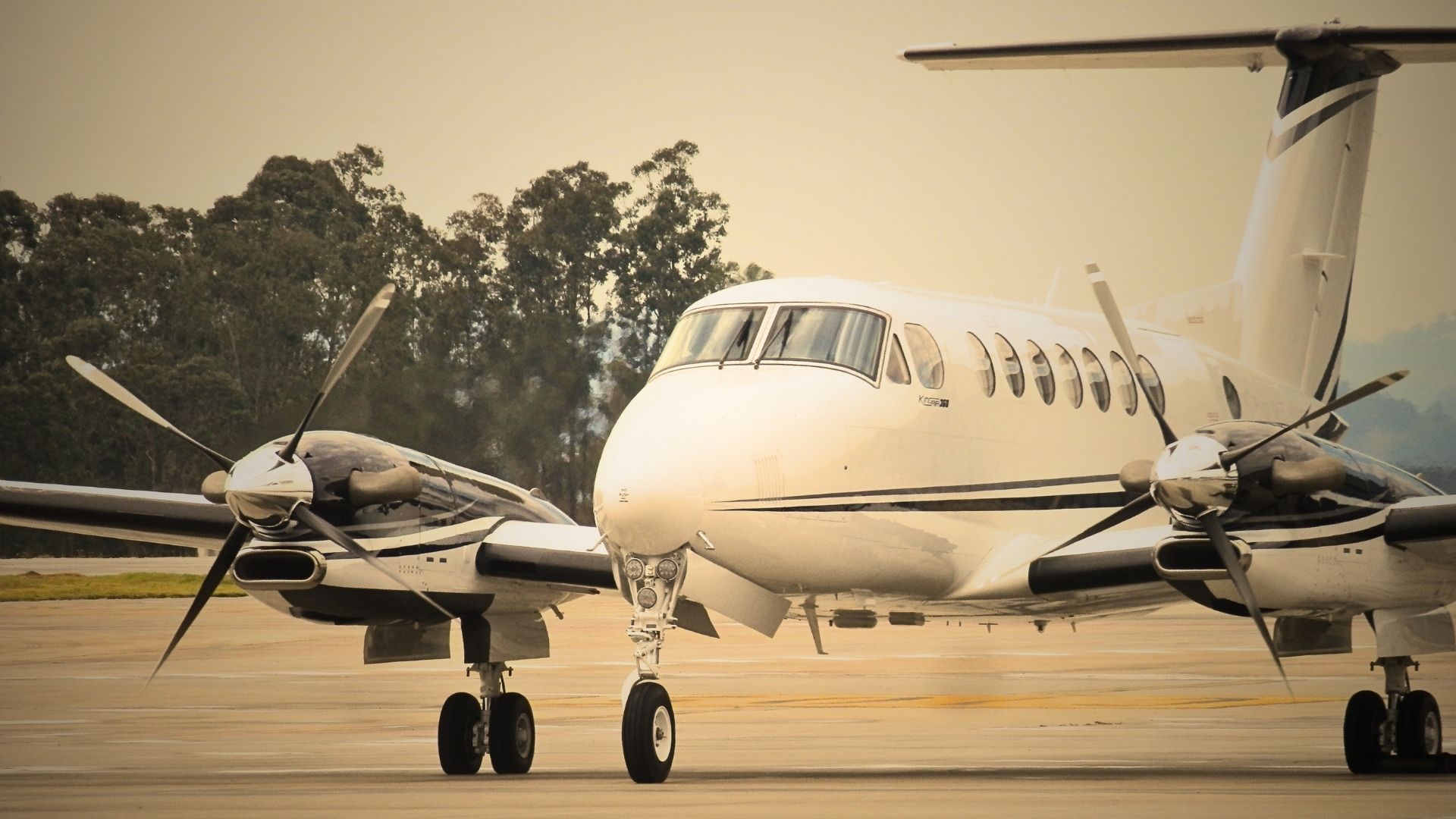
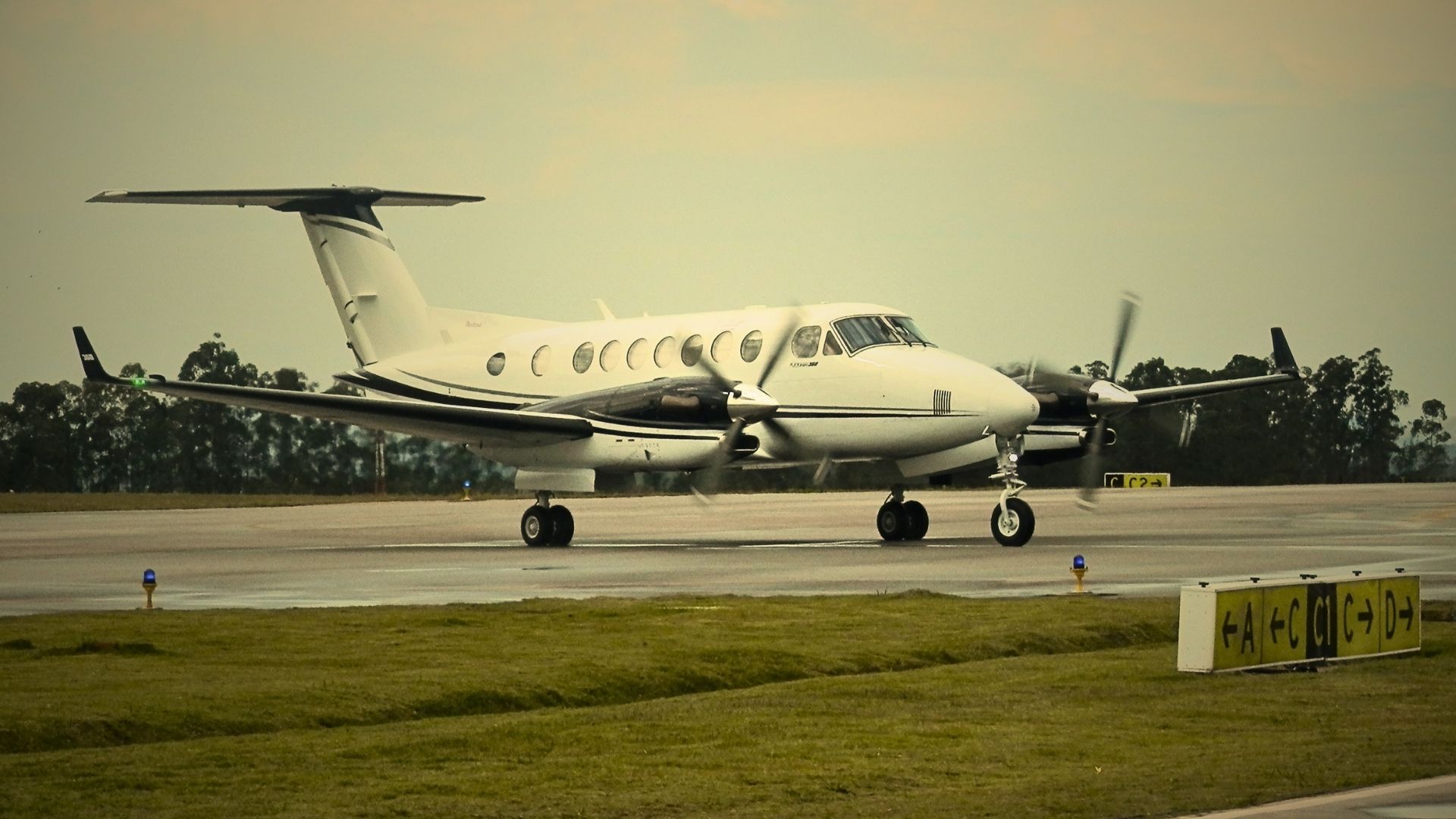
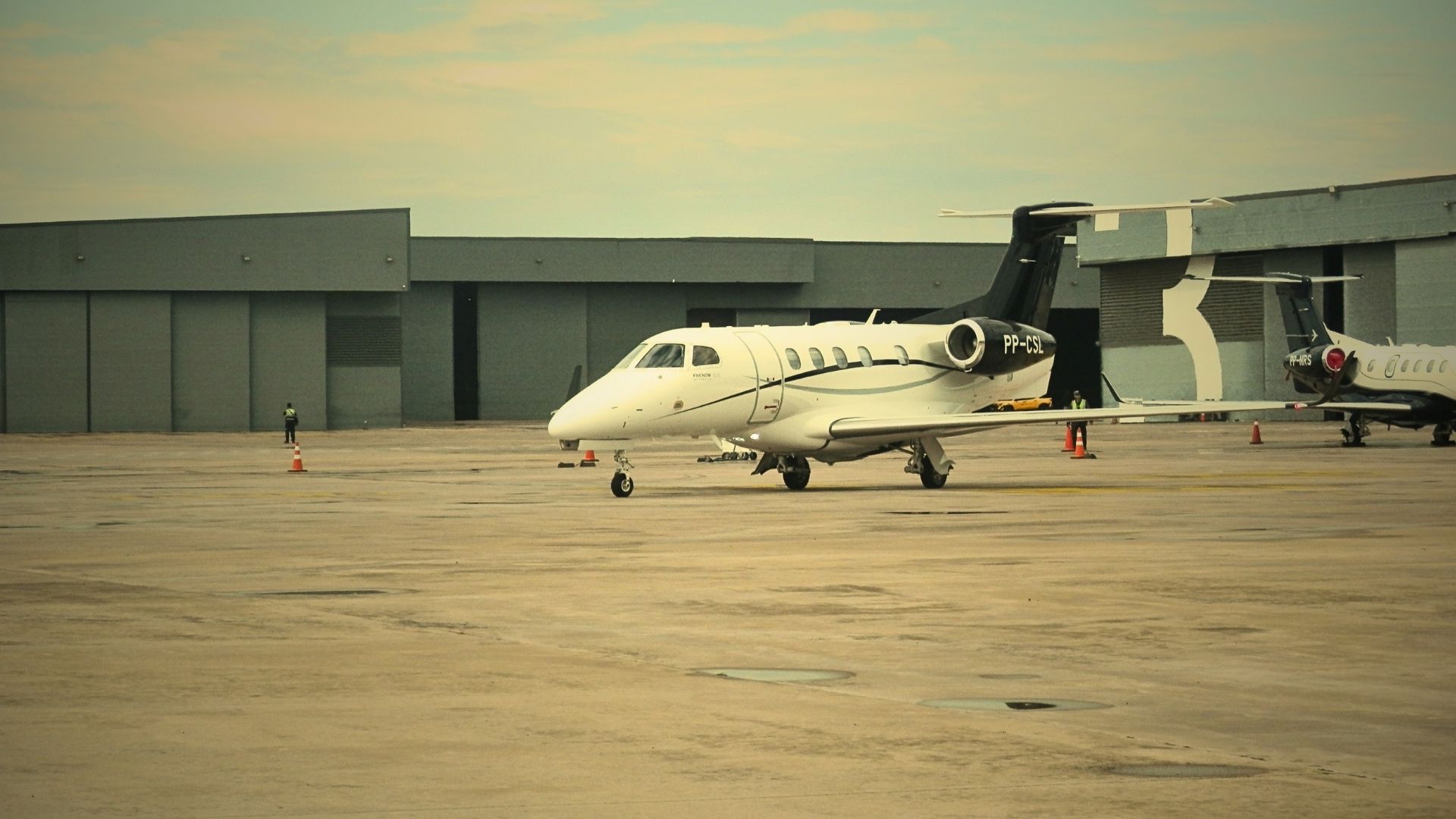
During the visit, the Aerowise team was welcomed by airport representatives and given a comprehensive tour of the facilities, including operational areas, aprons, taxiways, hangars and the different sectors that make up the airport complex.
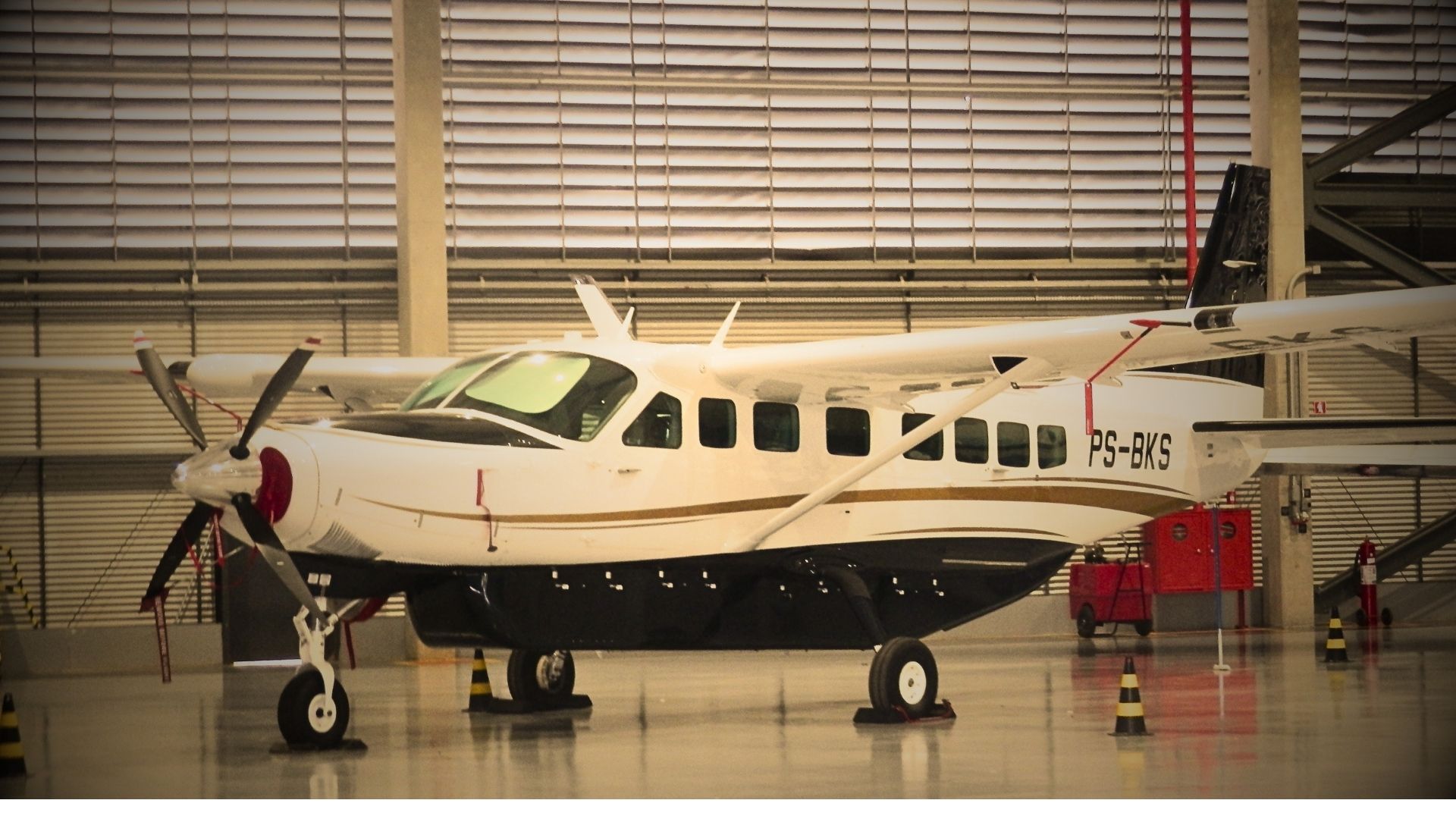
The tour provided an opportunity to observe not only the infrastructure dedicated to executive passengers, but also the operational dimension supporting the daily activity of based and visiting aircraft, including both fixed-wing aircraft and helicopters. As an illustration of the scale of rotary-wing operations in the region, São Paulo is recognised globally as one of the world’s largest helicopter markets.
The experience also made it possible to bring into the real world what is often understood from an OCC through charts, documentation, communications, photographs or information provided by suppliers: actual distances, the layout of facilities, aircraft movements, the relationship between aprons and hangars, available services and the overall dynamics of an airport specialised in business aviation.
For Aerowise, this knowledge represents a genuine operational tool.
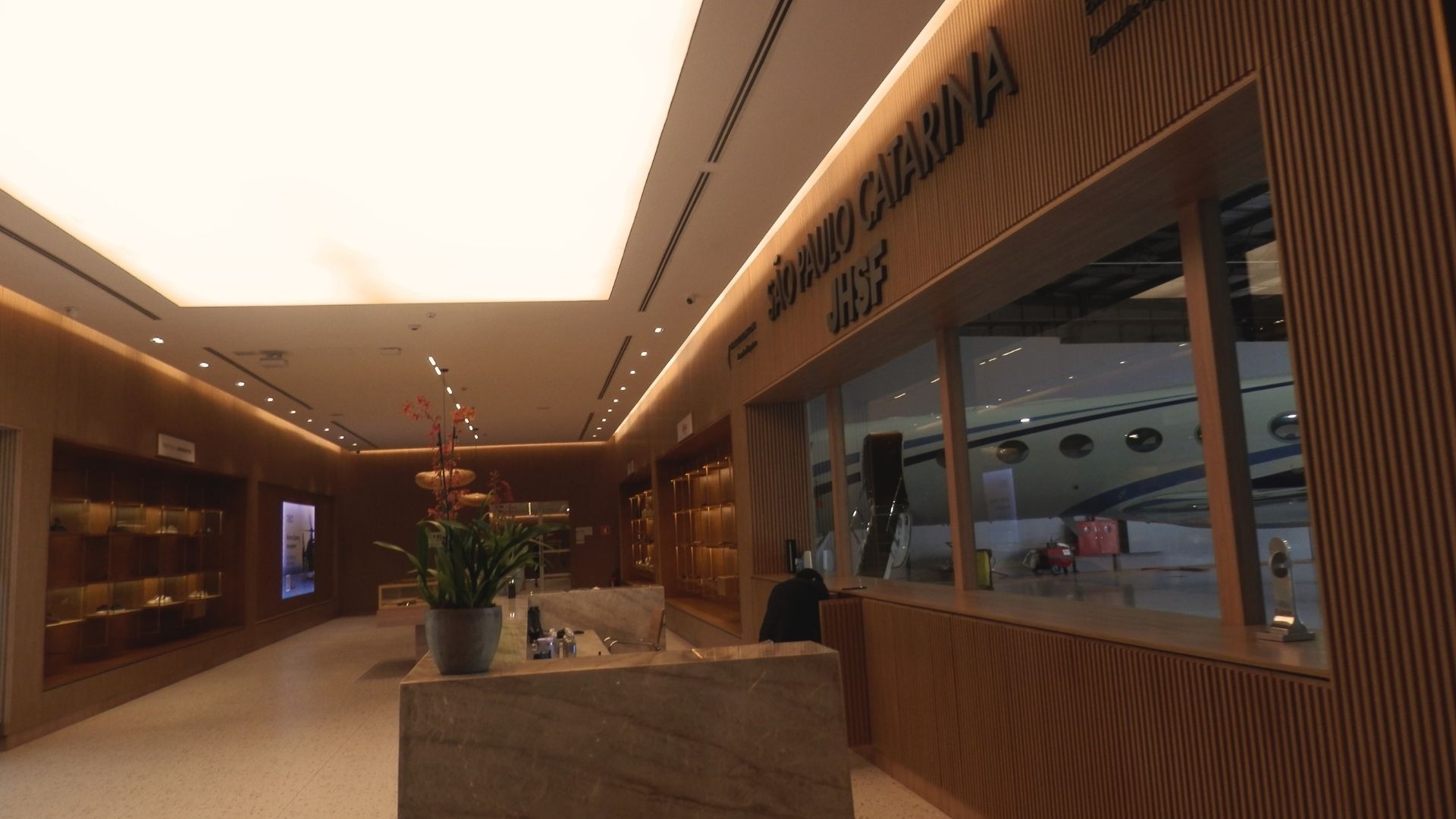

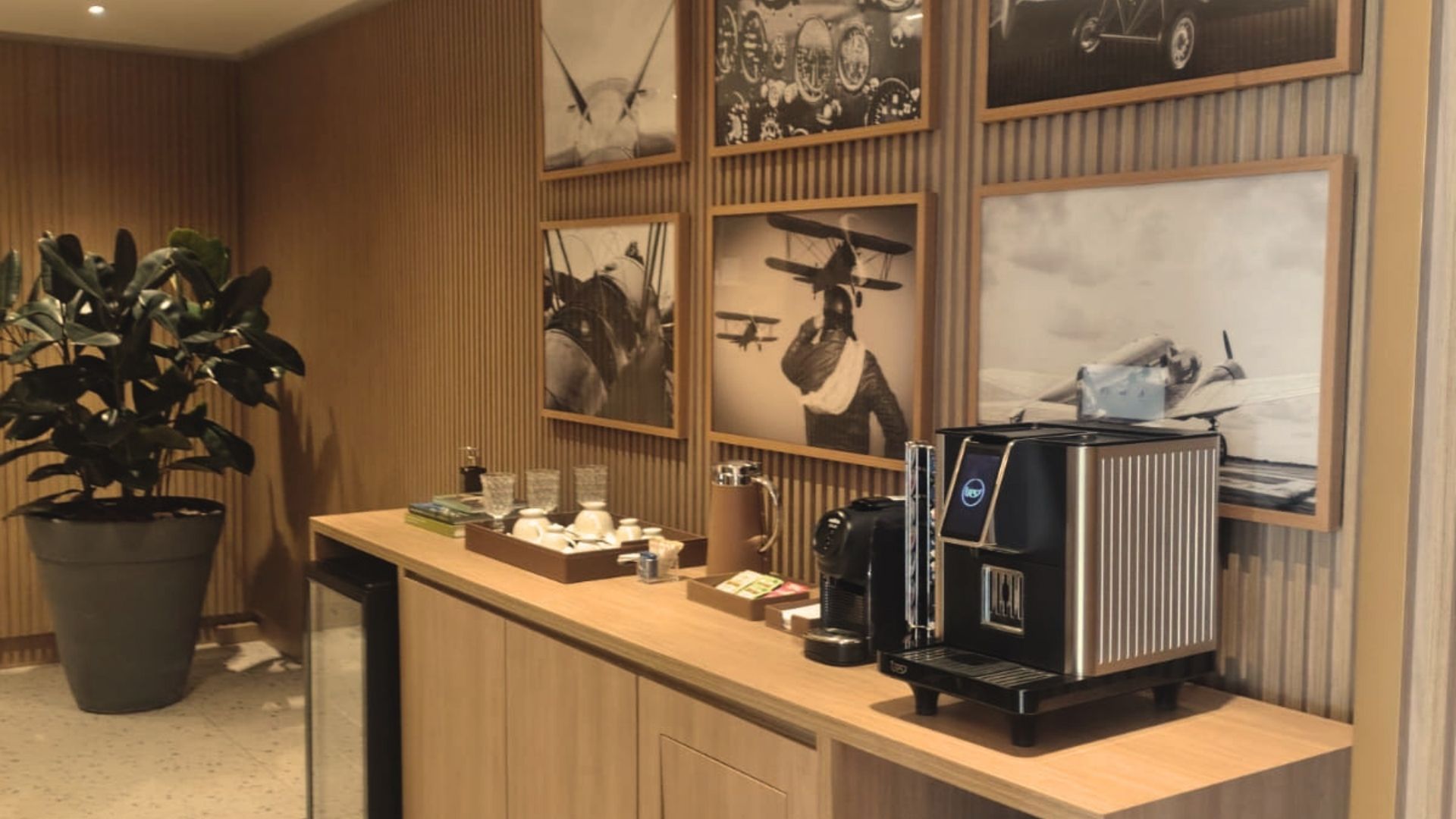
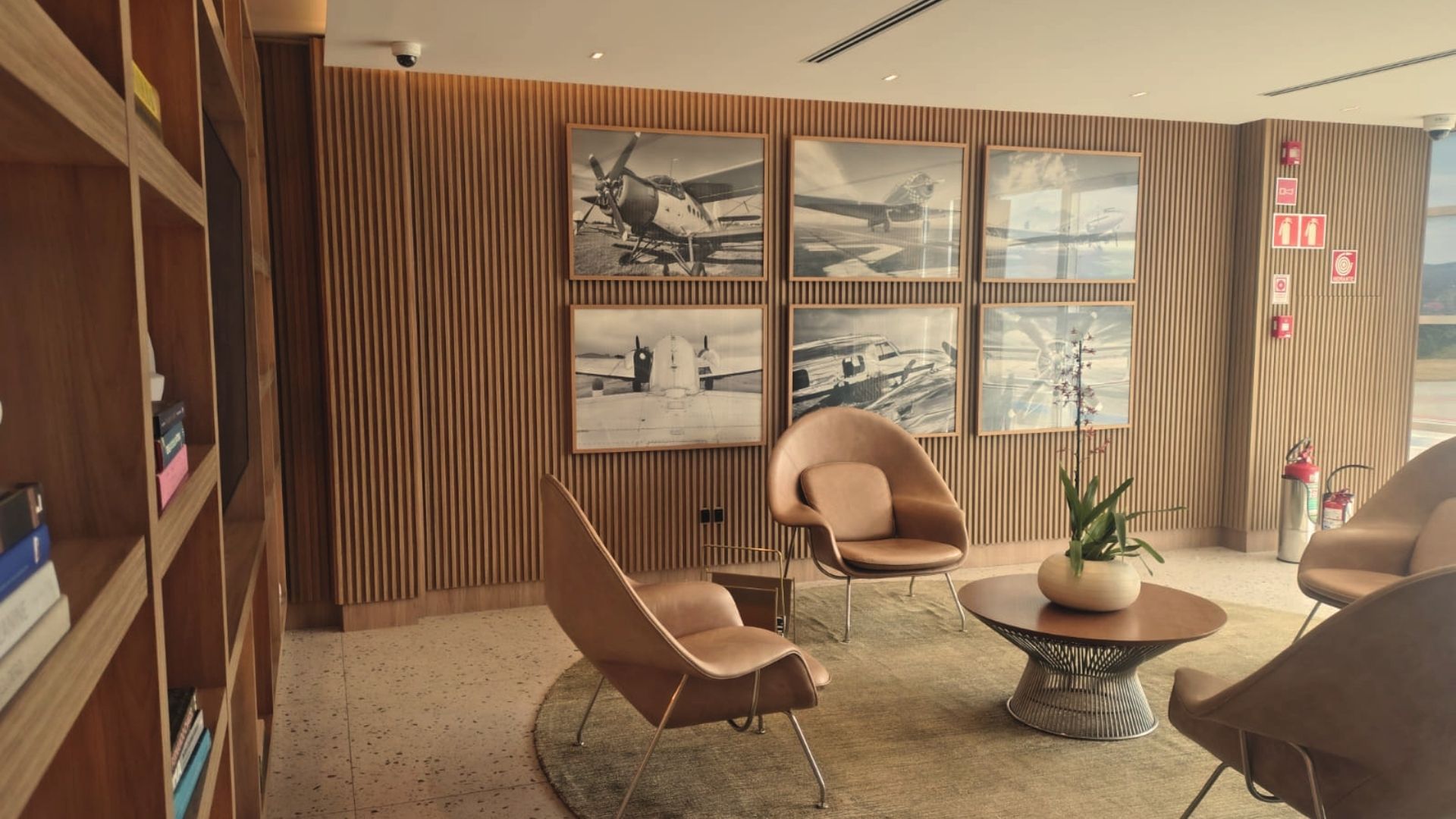
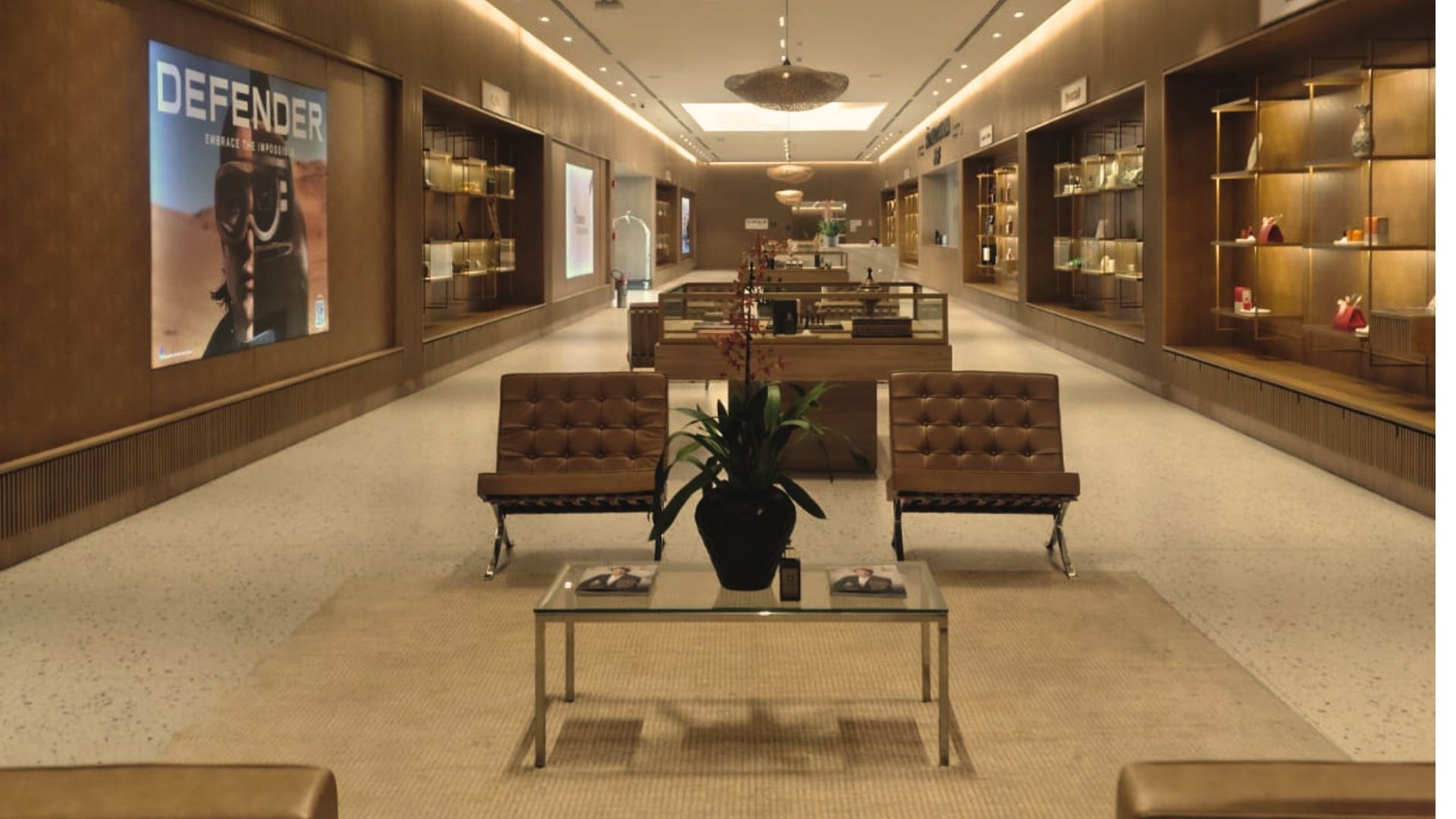
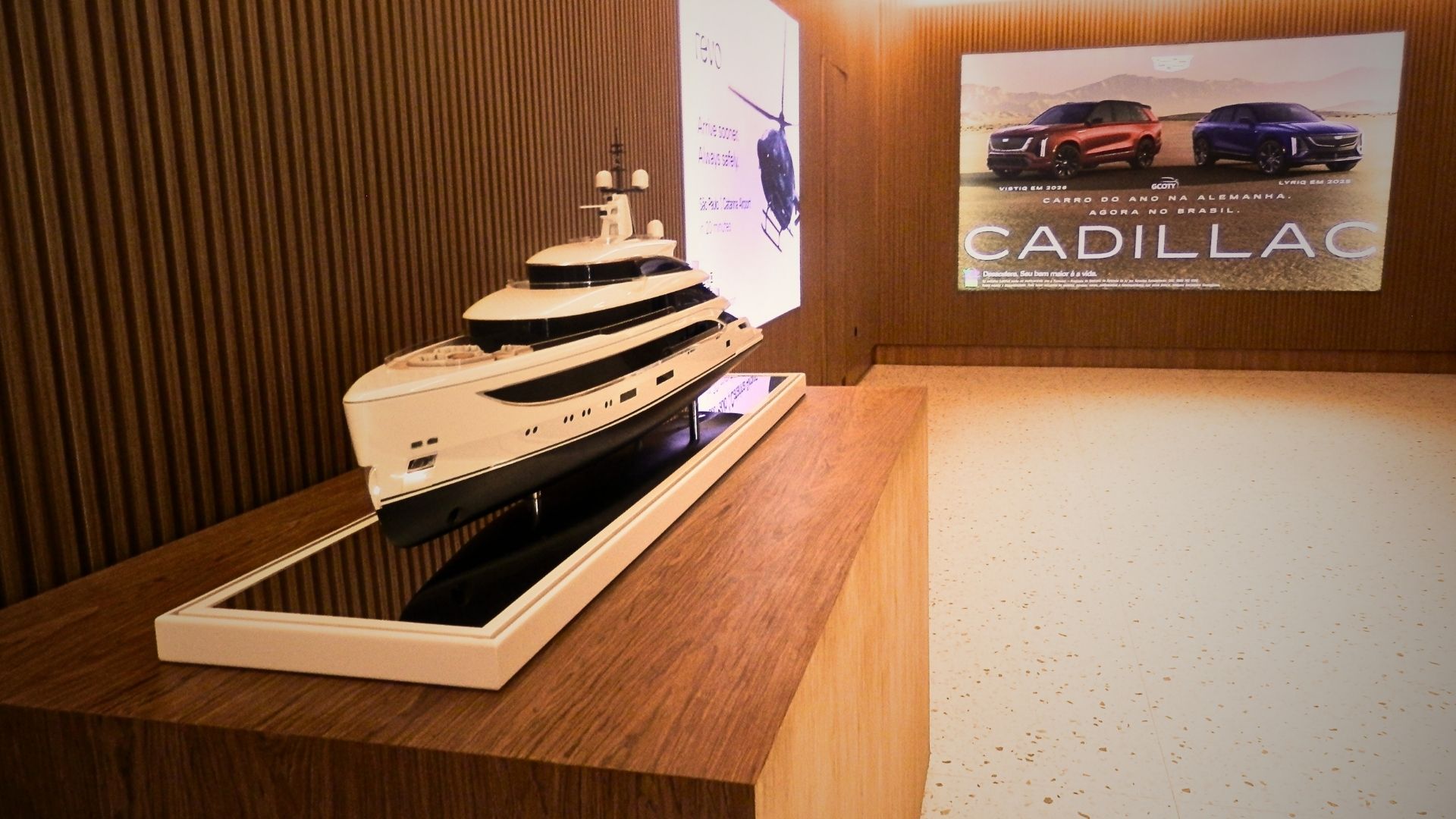
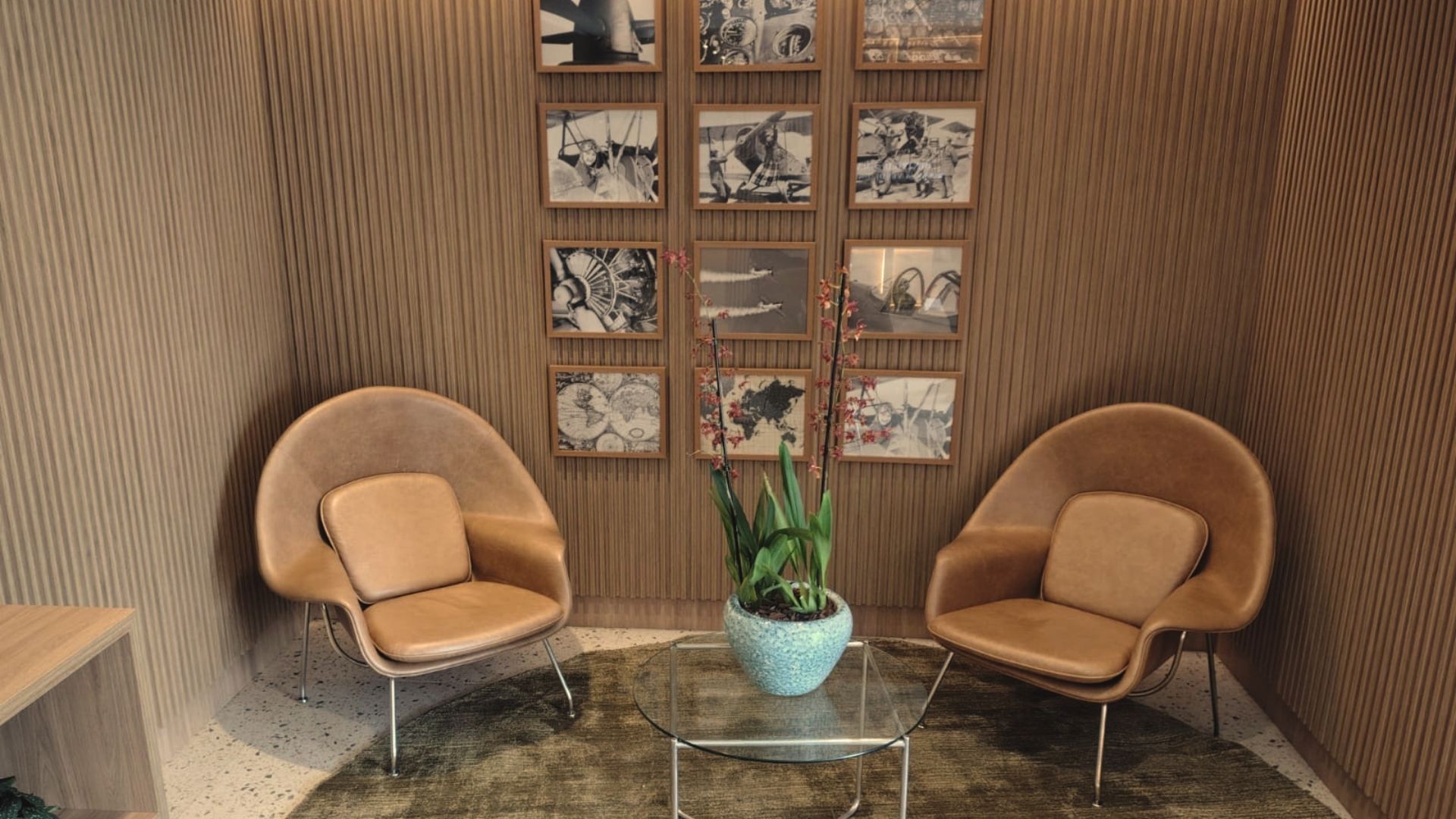
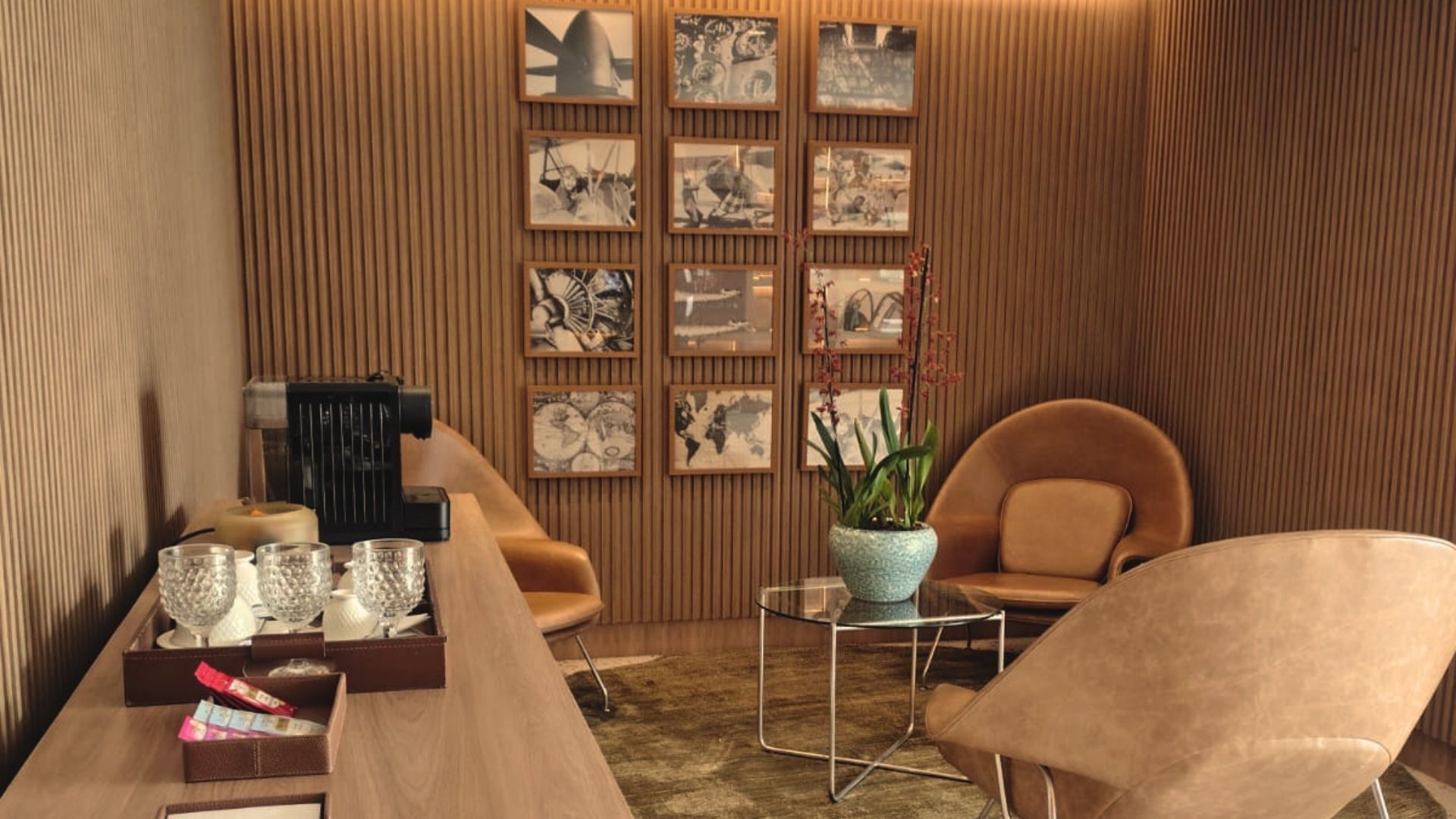
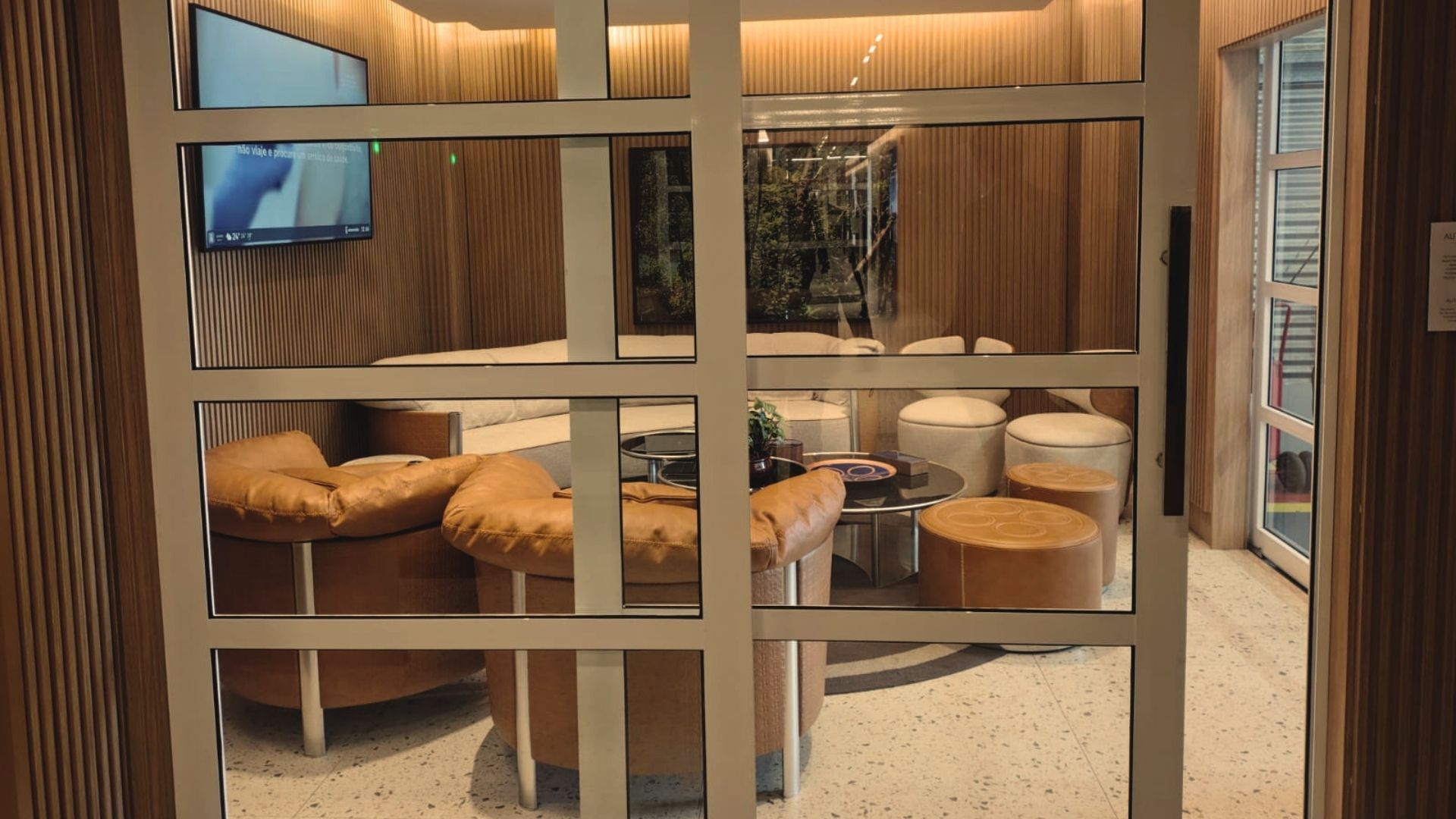
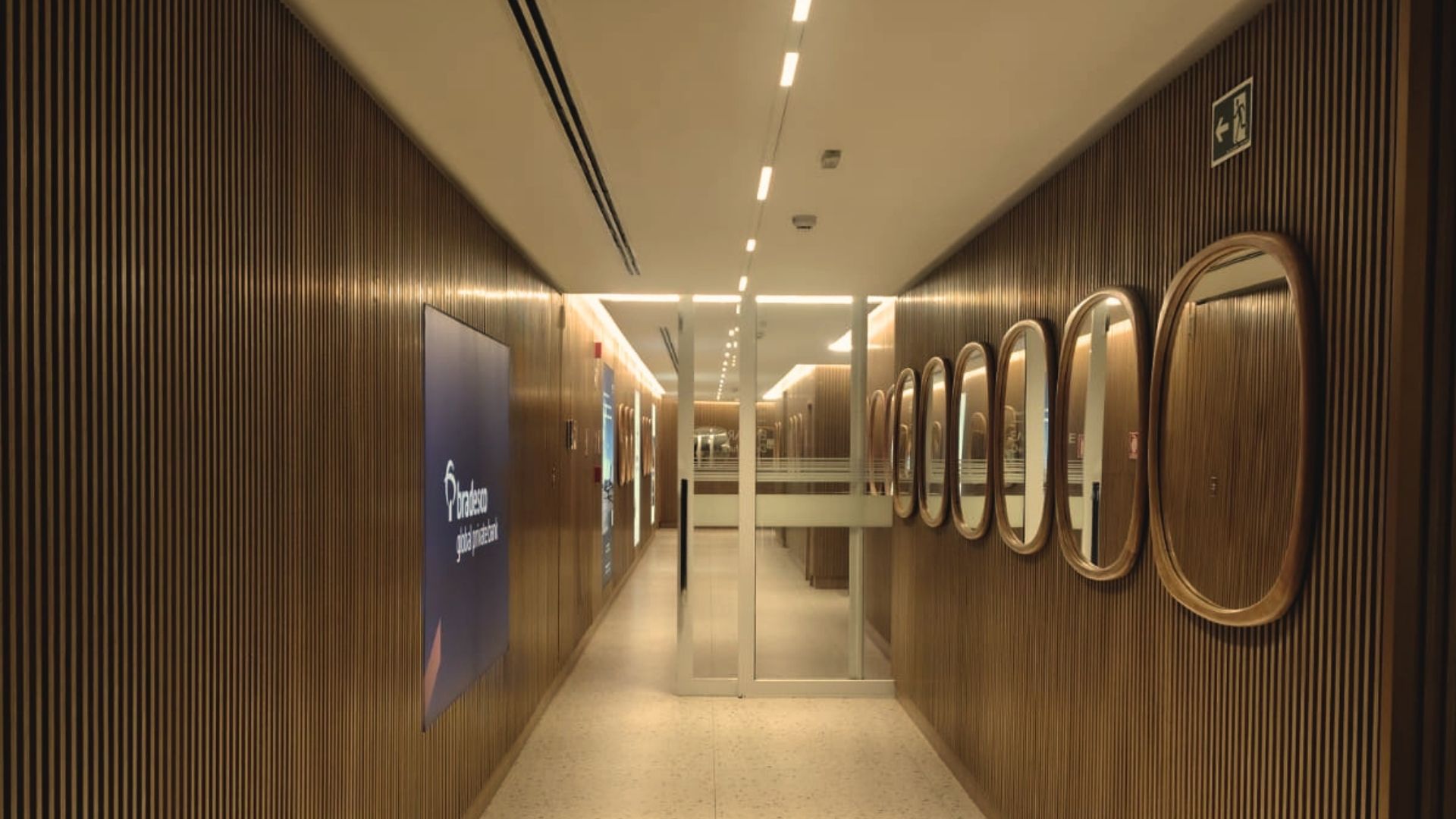
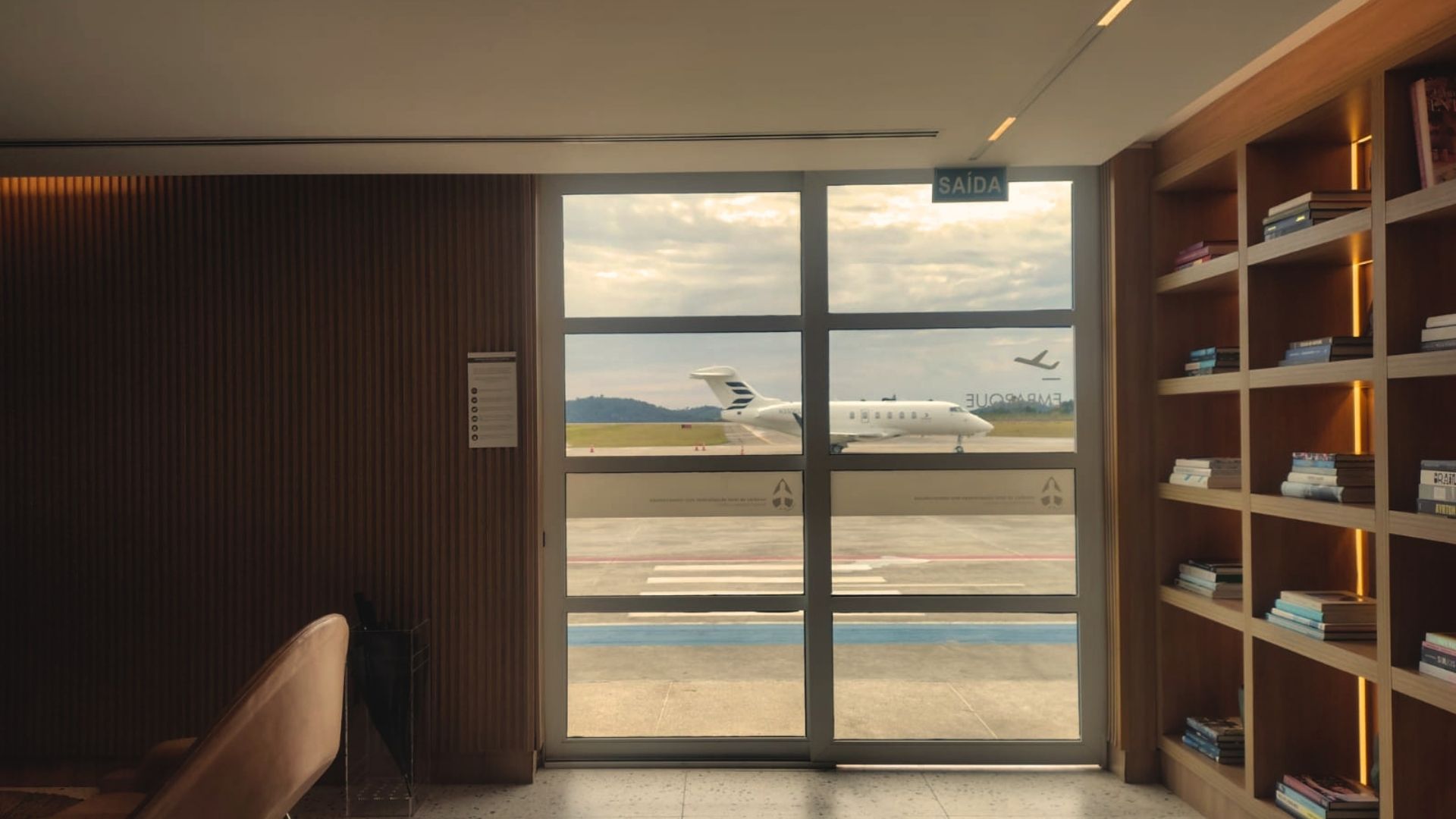
Catarina: A Model That Transformed Business Aviation in Brazil
Opened in December 2019, the São Paulo Catarina Executive International Airport was specifically designed around the needs of business aviation and became the first Brazilian private airport developed under the federal authorisation regime for this sector. The project was developed and is operated by JHSF Participações.
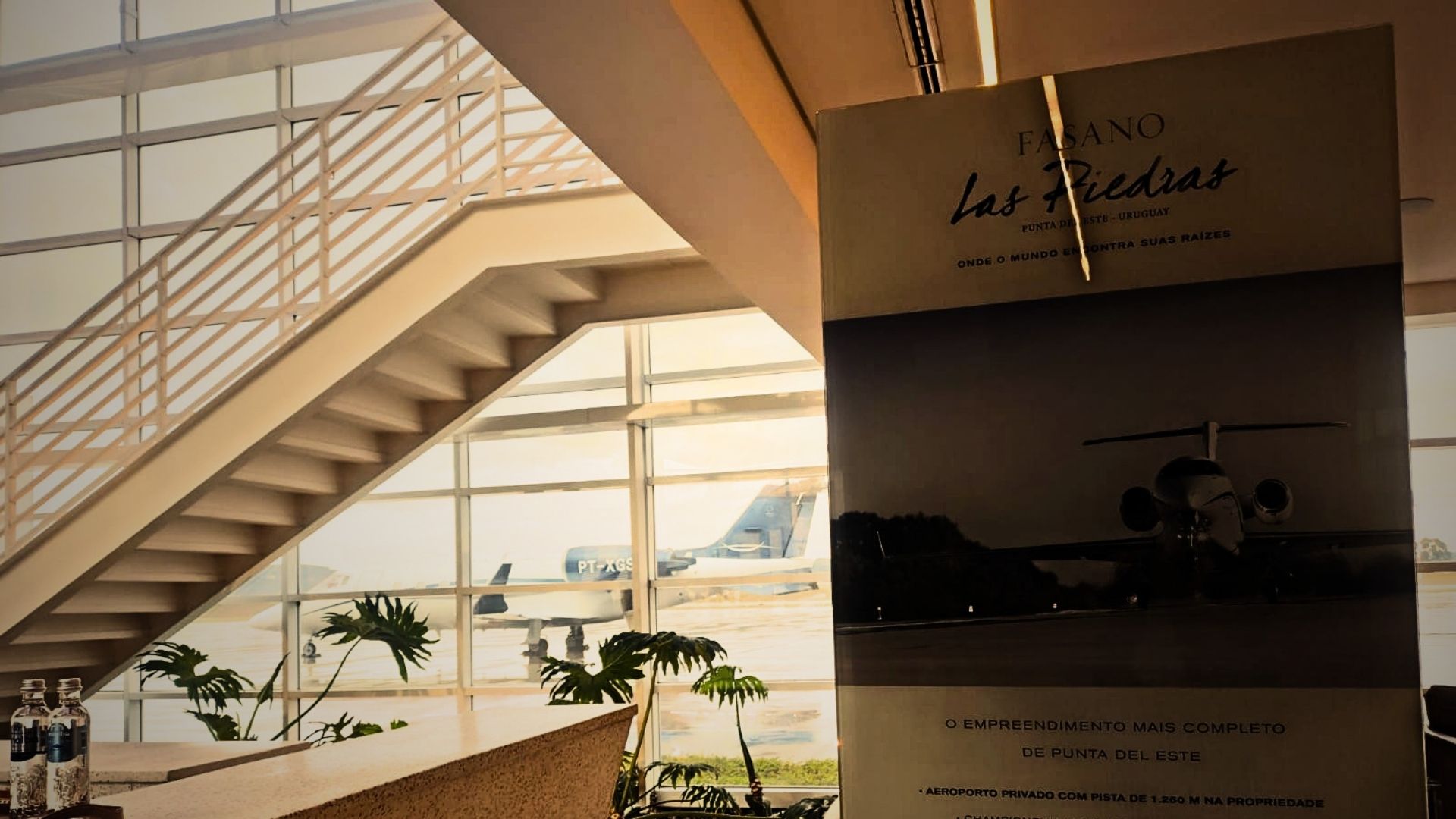
From its early years, Catarina established itself as a different kind of project within the region’s airport infrastructure: a facility designed to provide an integrated business aviation experience, combining airport infrastructure, specialised services, hangarage and connectivity with the high-end business and residential environment developed by JHSF.
International operations began in 2021, when the Brazilian Federal Government authorised the airport to receive aircraft arriving from abroad and operate flights to destinations outside Brazil. Catarina thus became Brazil’s first private international airport exclusively dedicated to business aviation, opening a new alternative for Brazil’s emerging business aviation sector.
The infrastructure was designed to accommodate large business aircraft. JHSF currently reports a 2,470-metre runway, 24-hour operations and two terminals dedicated to passengers and crew, in addition to extensive hangar facilities and other operational services.
The airport’s continued growth also reflects the evolution of Brazilian business aviation. According to JHSF corporate information, Catarina reached full hangar capacity during its first year of operation and subsequently continued expanding its infrastructure; four new hangars were inaugurated in 2025. In 2026, the expansion programme continues with further new facilities.
A Look Beyond the Terminal
One of the most significant aspects of the visit was precisely the opportunity to explore areas that would normally remain outside the passenger experience.
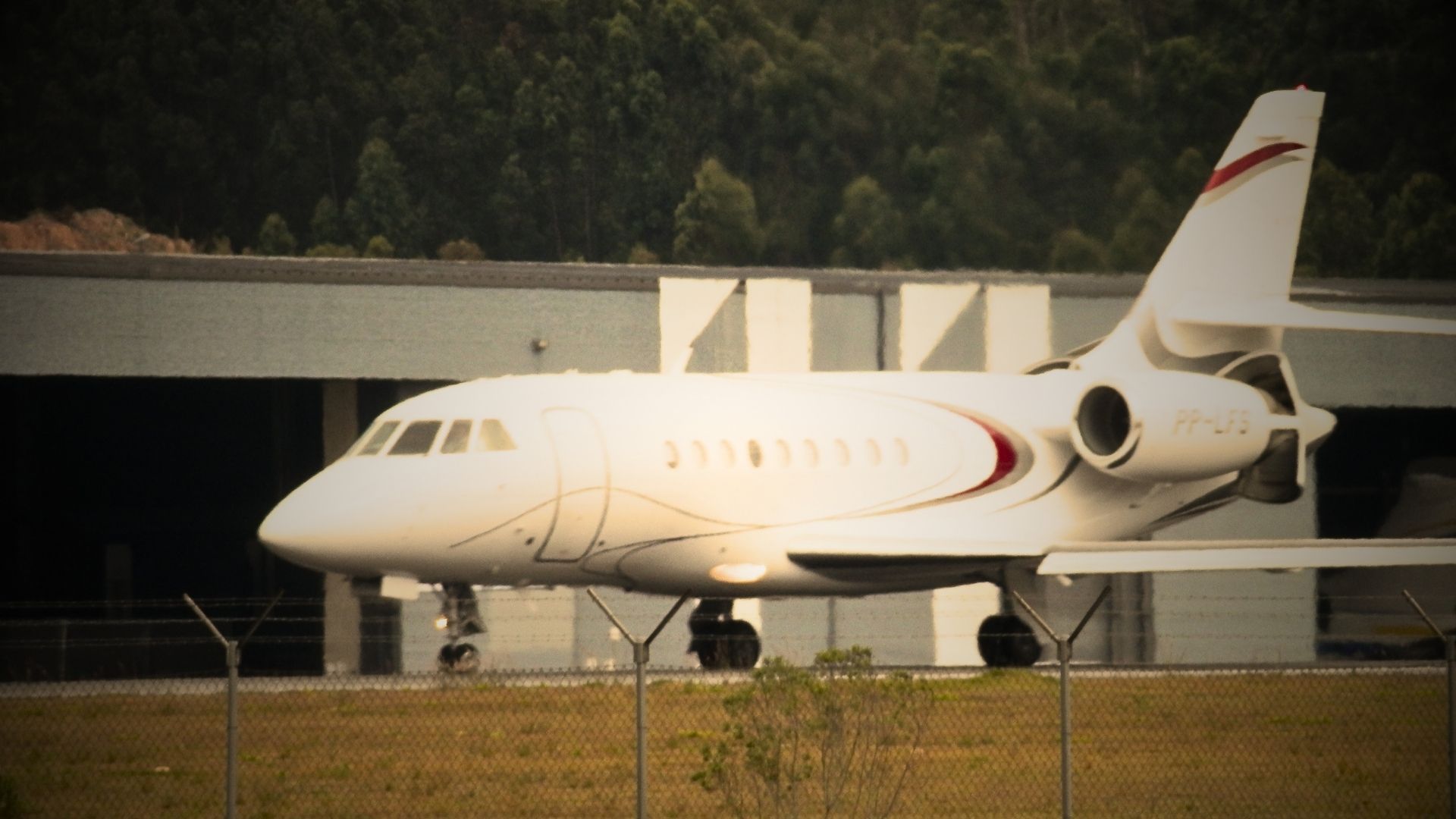
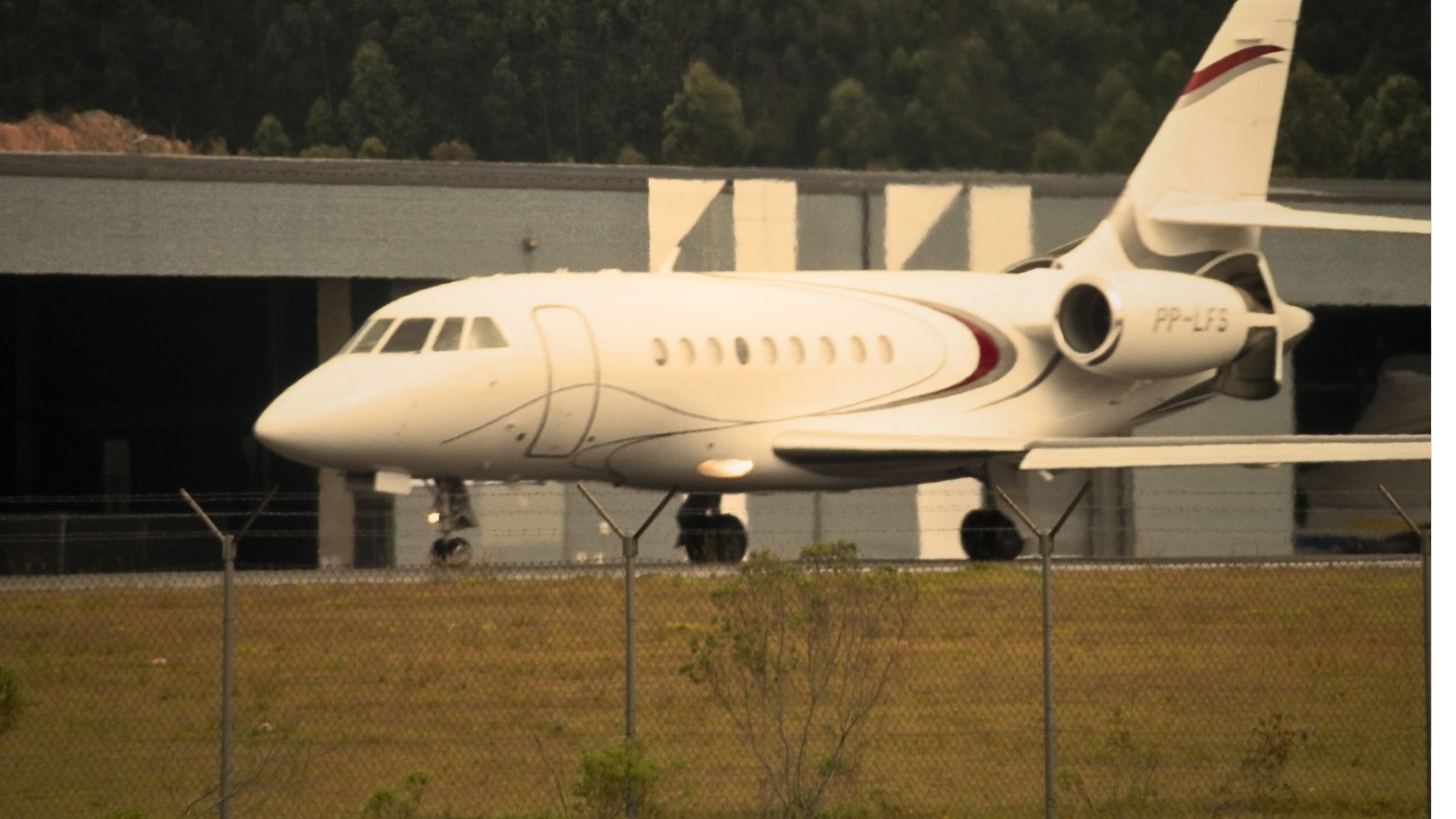
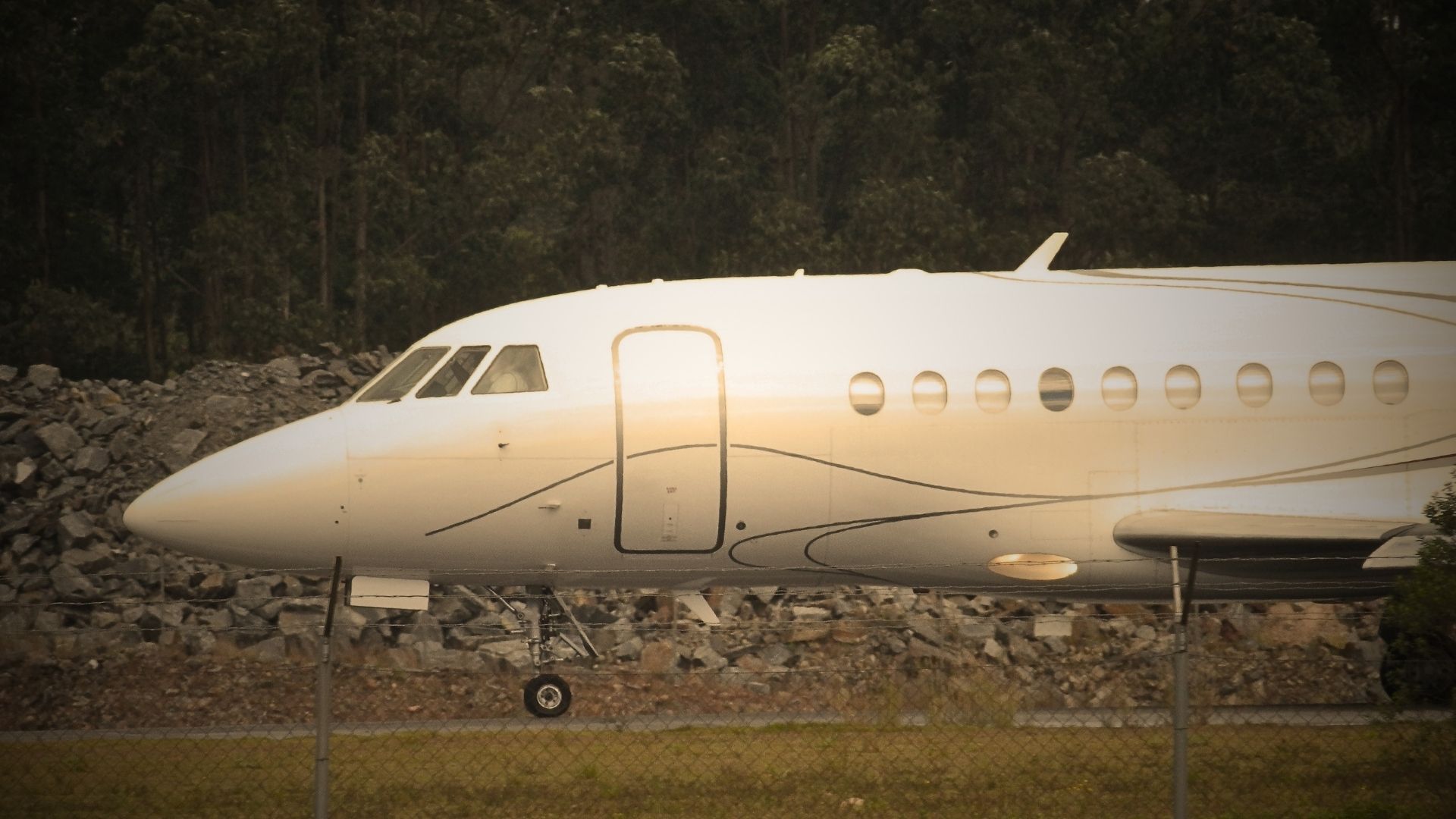
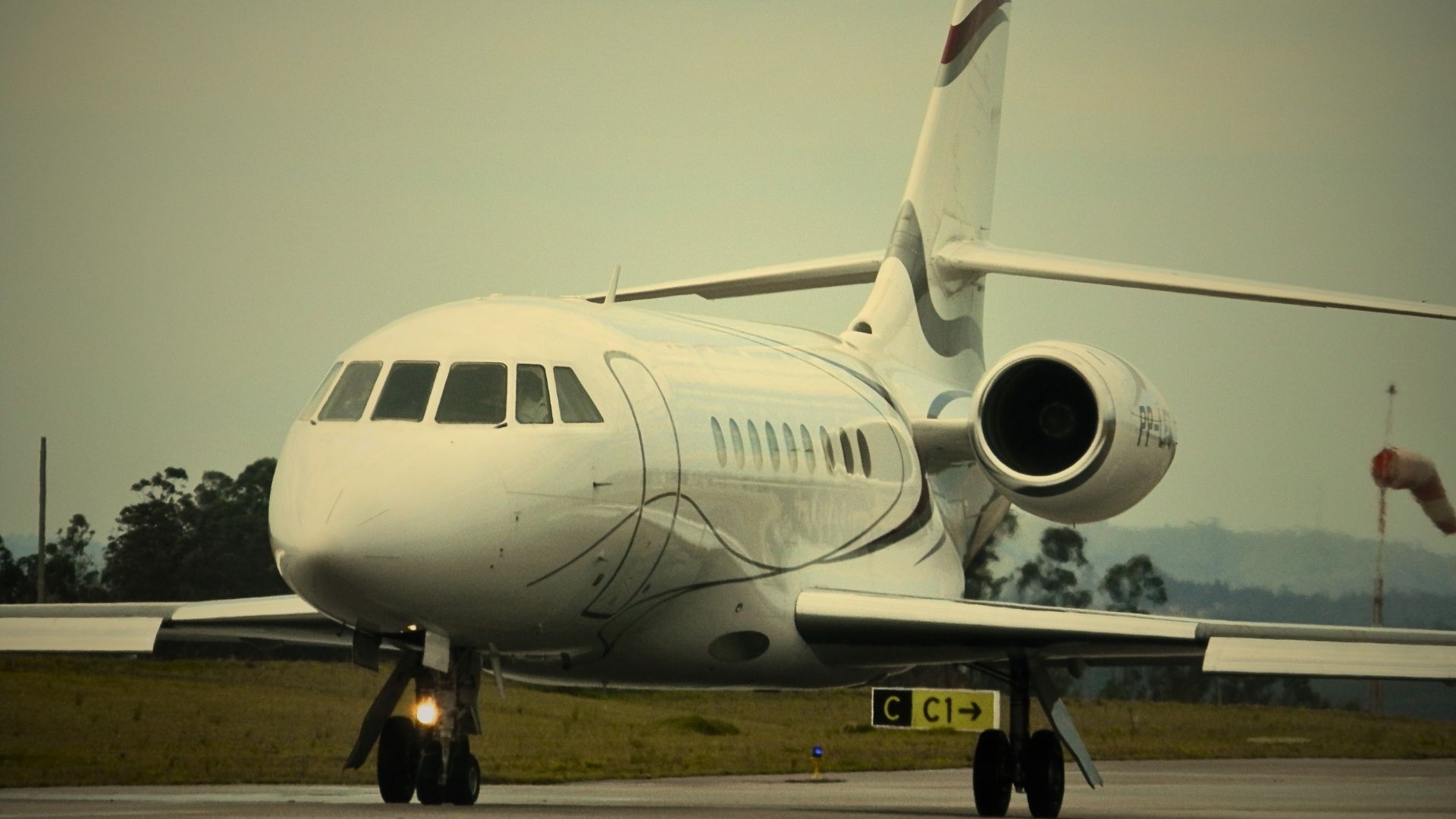
The Aerowise team was able to witness domestic arrivals and departures involving different types of aircraft, helicopter movements and various apron operations. The tour even included a runway circuit during which we had the opportunity to observe the thrust reverser system of a Falcon 7X being tested.
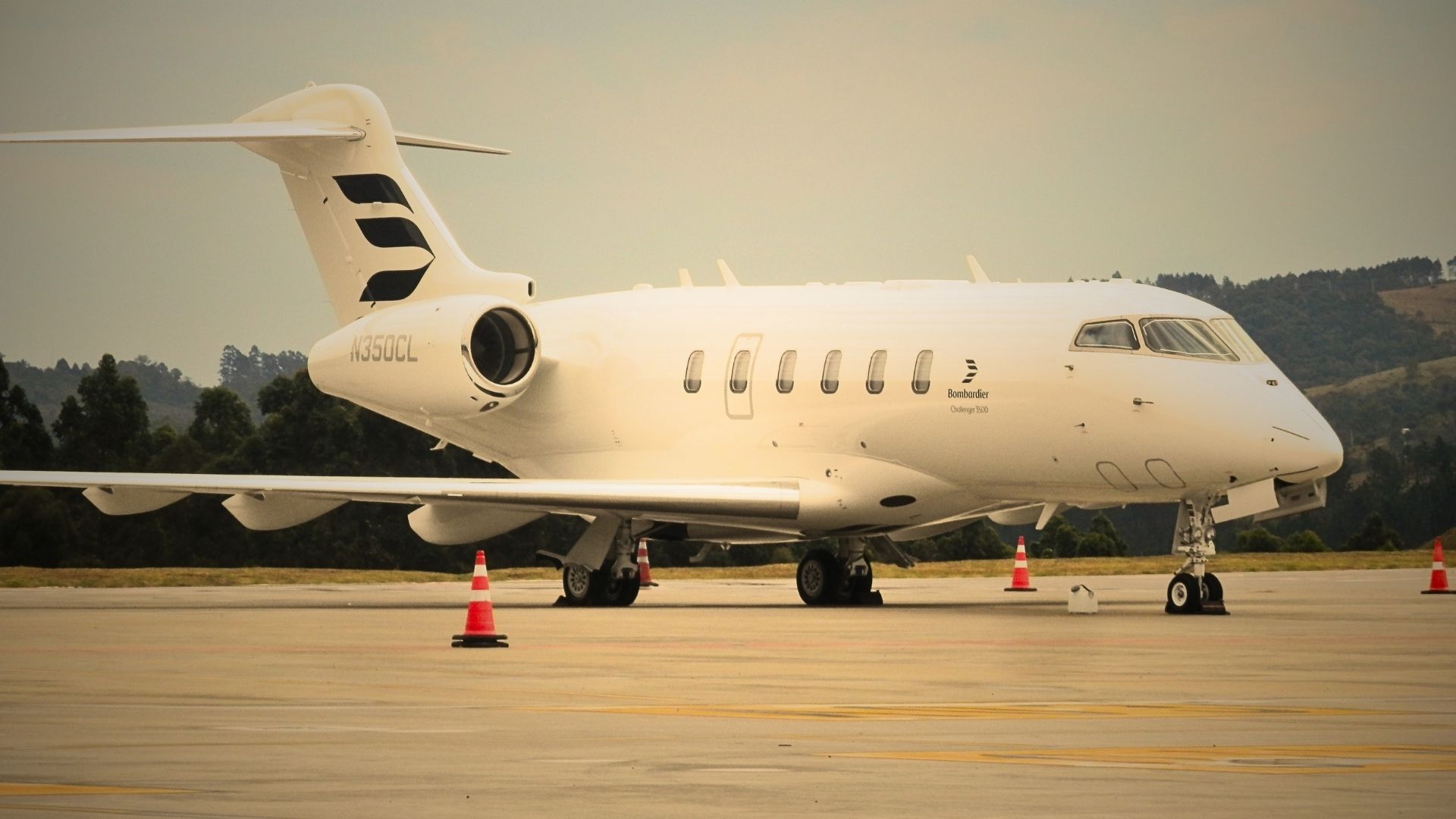
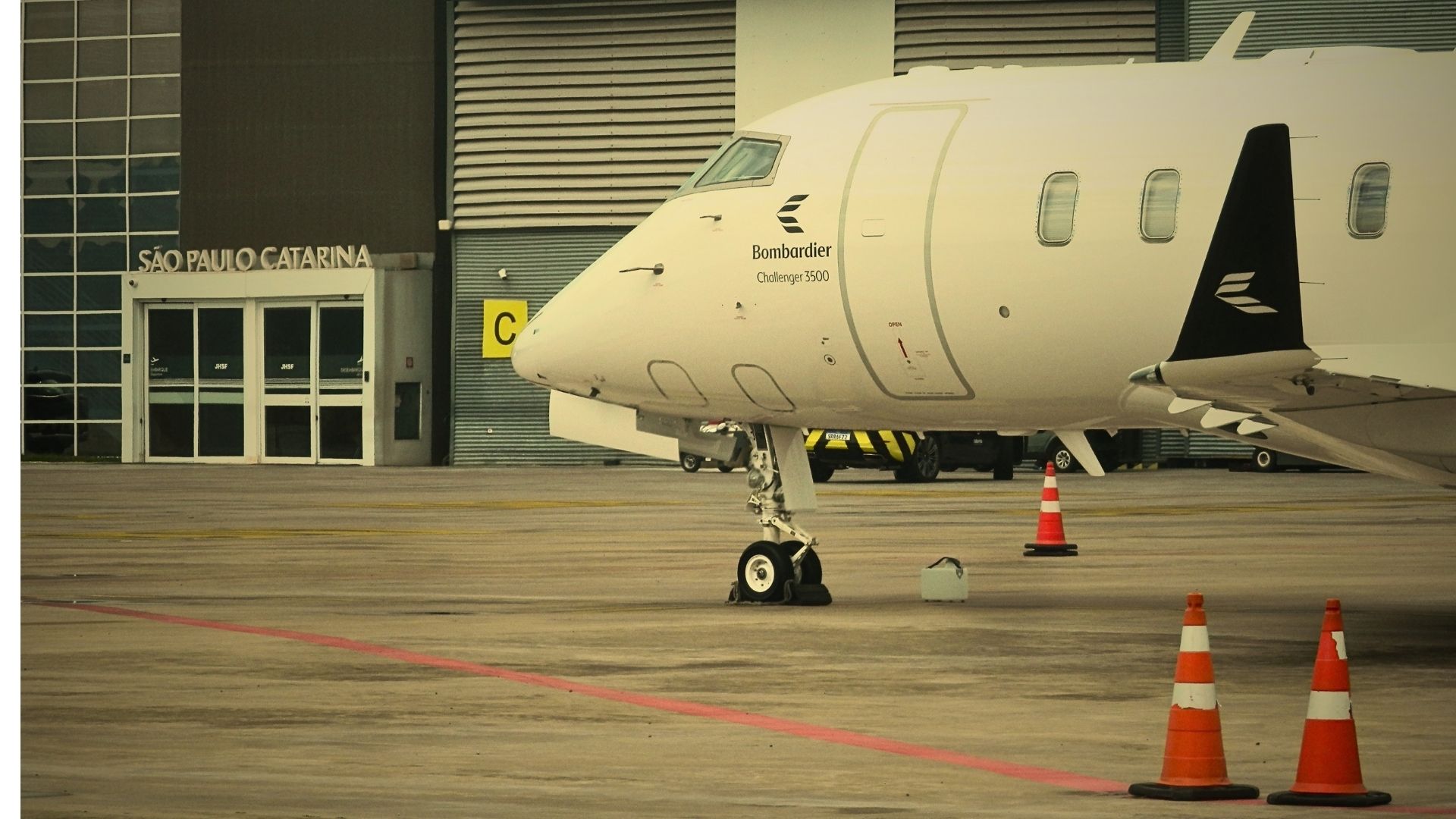
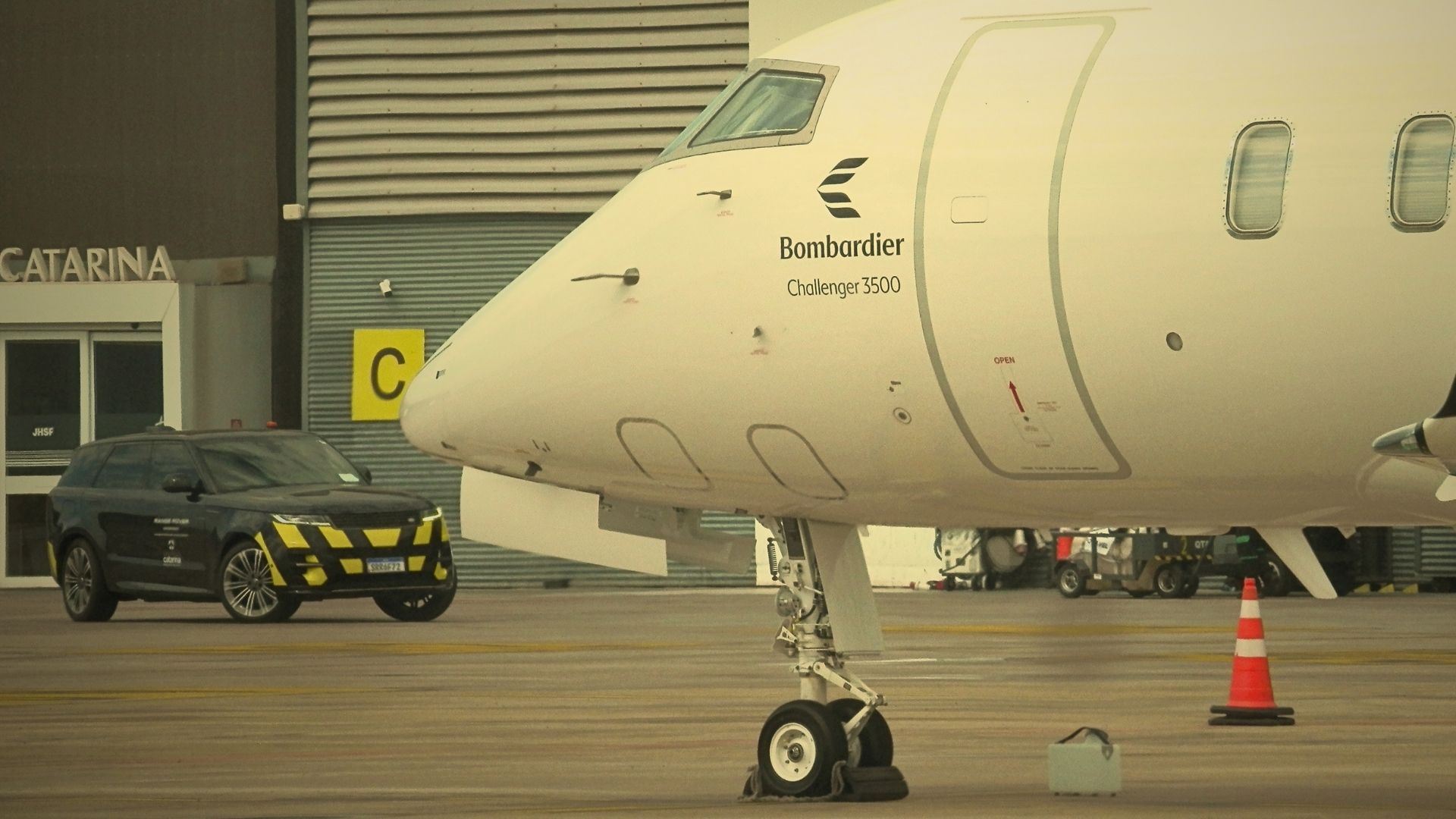
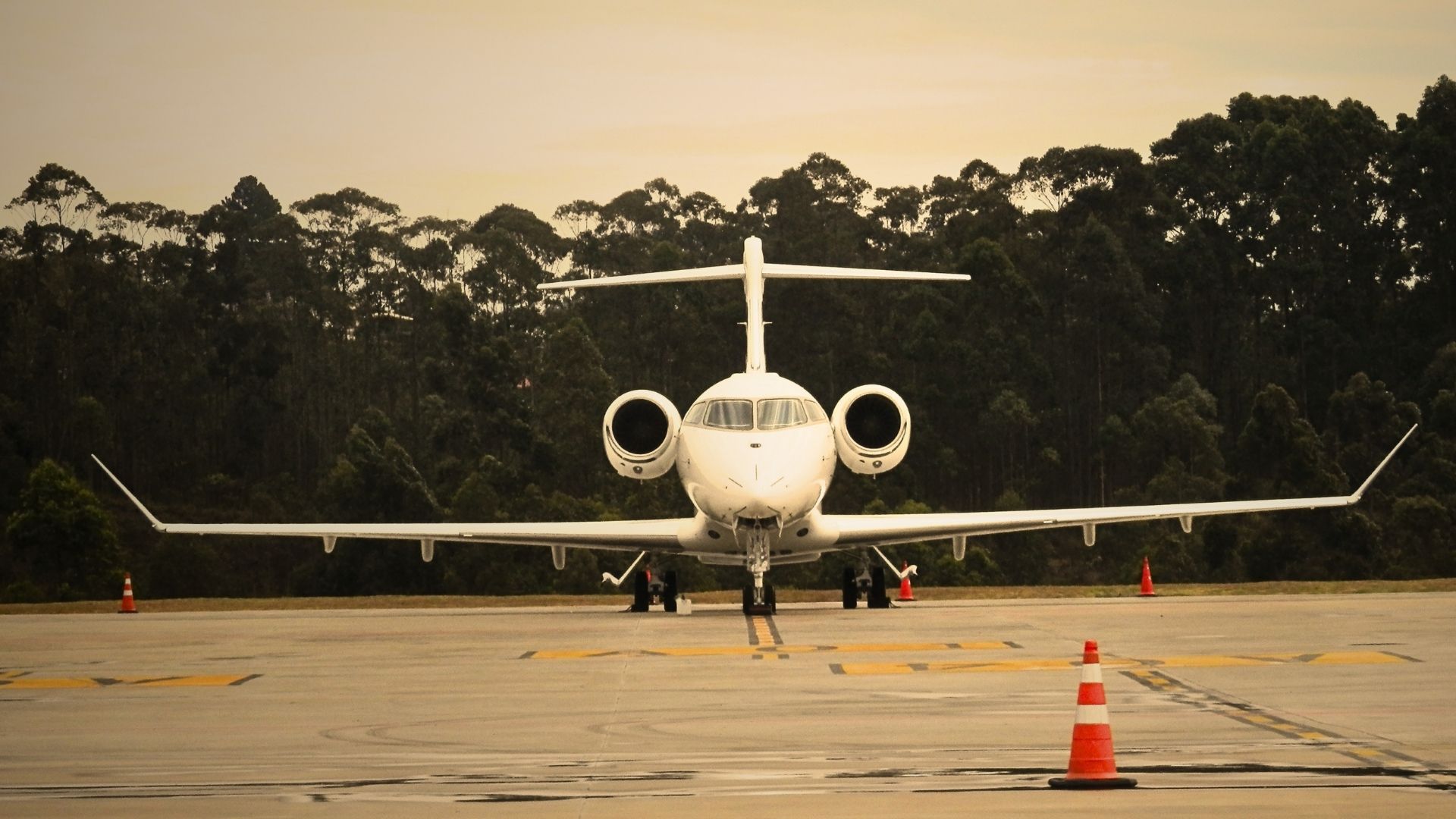
A special mention goes to the Challenger 3500, present on the apron as Bombardier’s official demonstration aircraft, awaiting its international departure.
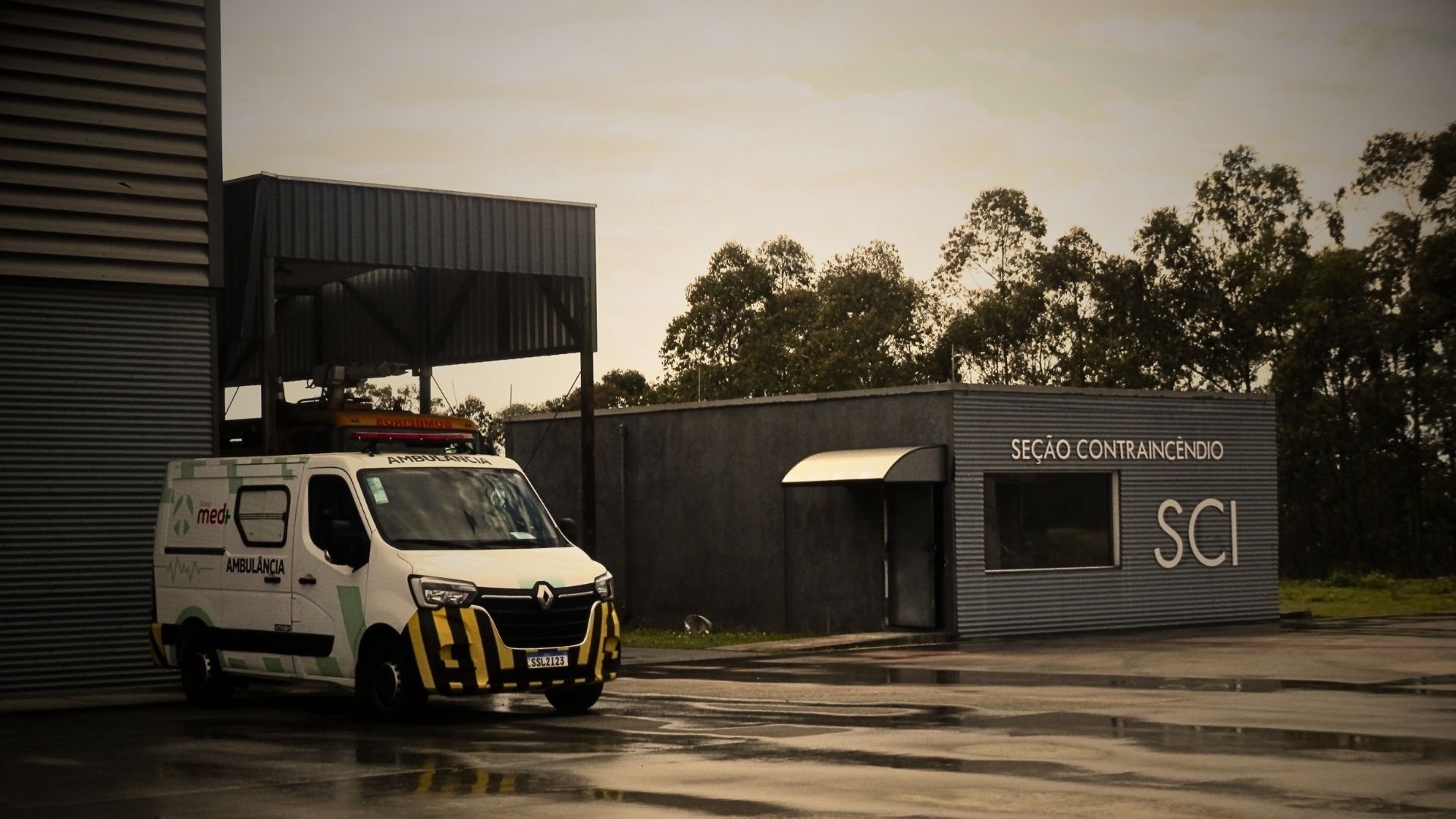
Aerowise also visited the Airport Rescue and Fire Fighting Service (SSEI), together with other components related to airport infrastructure and operational safety.
The visit therefore took on particular significance following Aerowise’s participation in the II Encontro Nacional de Segurança de Voo da Aviação Geral.
Operational safety does not exist in isolation. It is embedded in the airport’s design, procedures, training, infrastructure, coordination between organisations, maintenance and every decision made before, during and after a flight operation.
Dassault Falcon: Specialised Maintenance within the Catarina Ecosystem
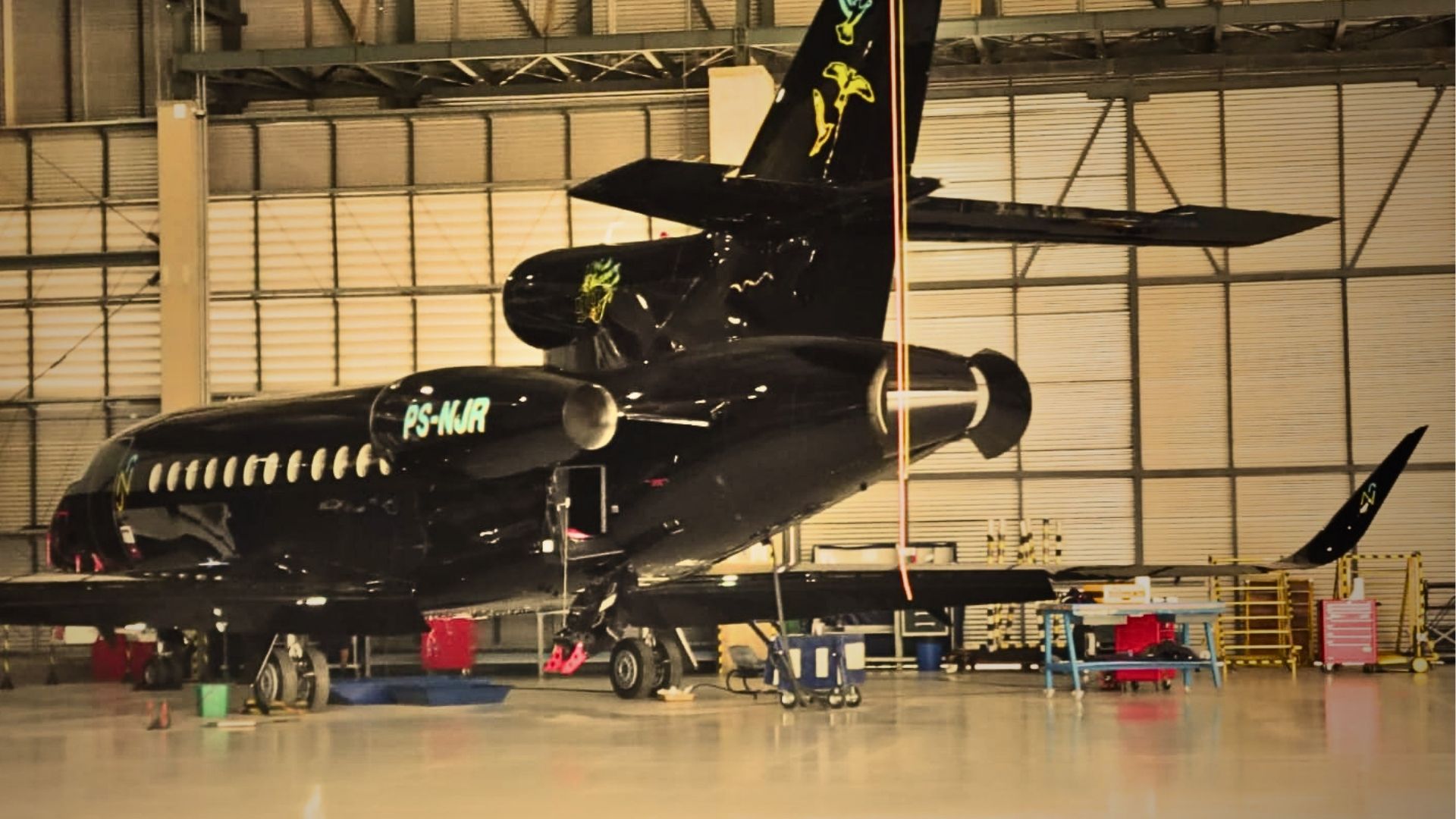
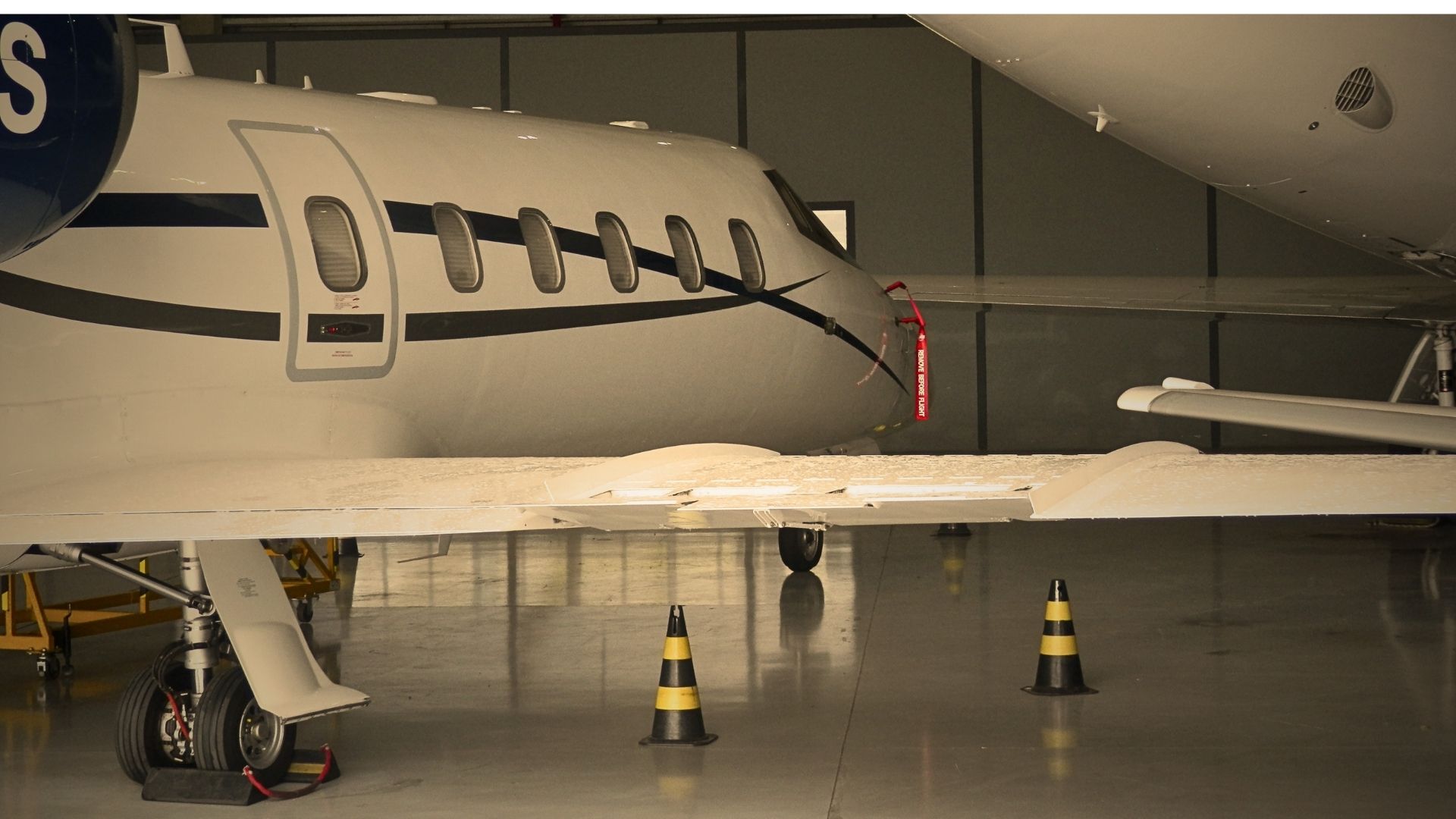
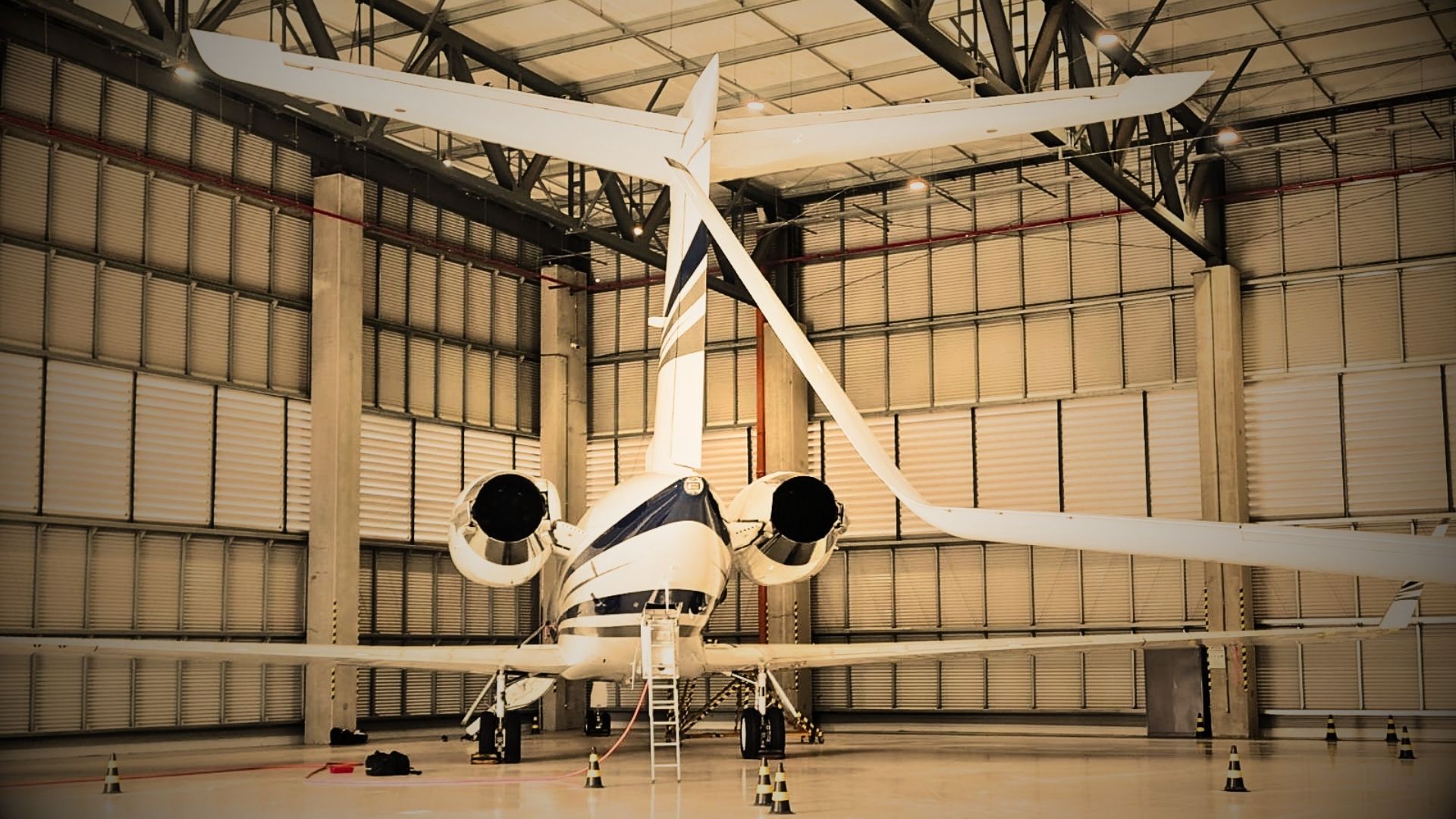
Another highlight of the tour was the visit to the facilities of Dassault Falcon Jet São Paulo – Catarina, a particularly relevant reference for high-end business aviation in the region.
The presence of Dassault Falcon at the airport reinforces the specialised nature of the complex and its ability to bring together aircraft operations, hangarage and technical support for business aircraft within a single environment.
The Dassault Falcon service centre at Catarina relocated from Sorocaba Airport and currently offers approximately 32,300 square feet of hangar space, with capacity to accommodate up to five Falcon aircraft simultaneously. The facility is equipped with the tools, spare parts and certifications required to carry out inspections on selected Falcon families, including the Falcon 50, 2000 and 900, as well as the Falcon 7X and 8X.
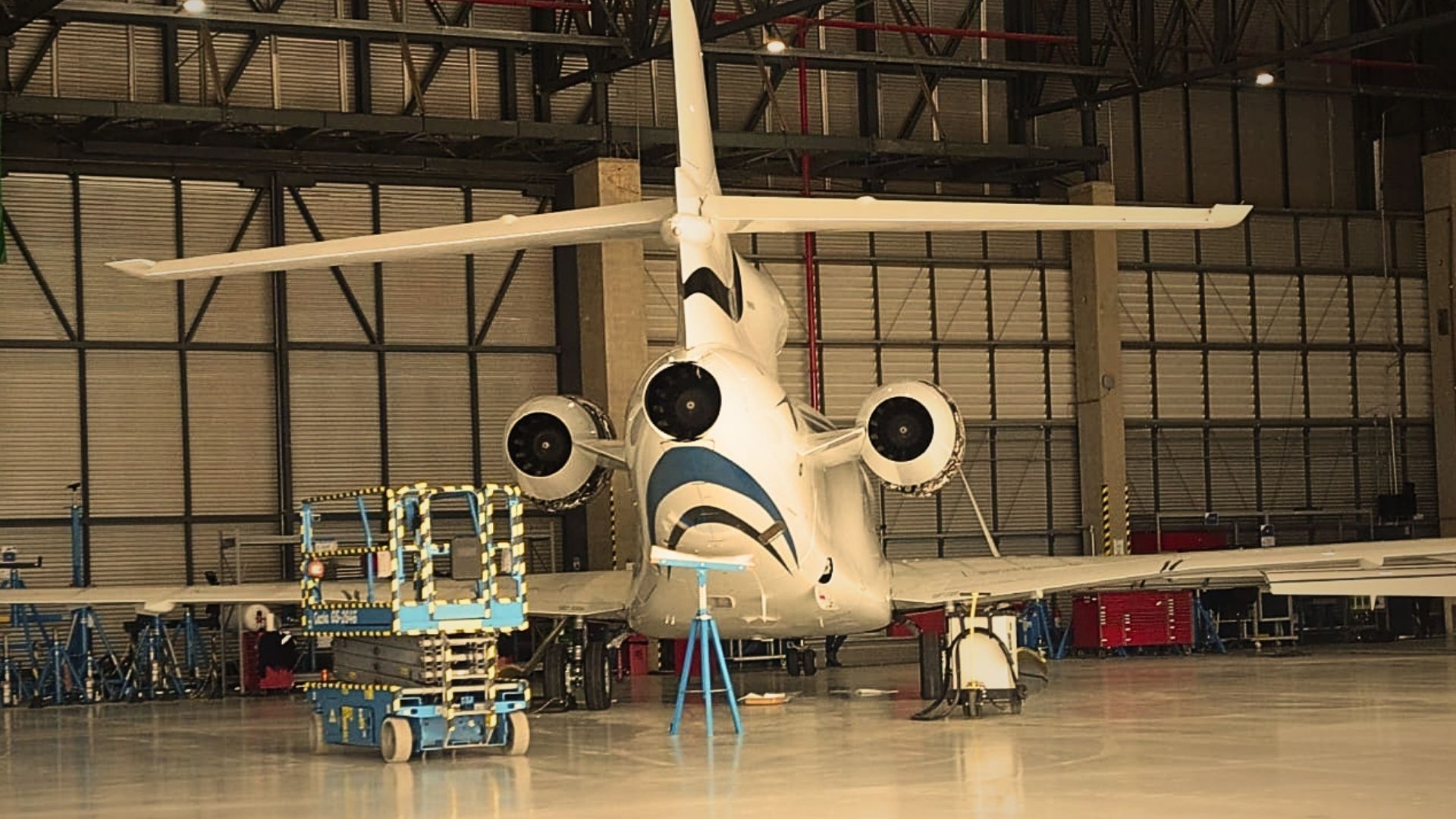
For Aerowise, gaining first-hand knowledge of a facility of this calibre provides a deeper understanding of the capabilities available in Brazil and, in particular, the alternatives that may be relevant to international operators requiring maintenance, technical support or specialised assistance during an operation.
In an industry where an operational decision may depend on the availability of a part, a certification, a specialised technician or a specific maintenance capability, knowing these resources before they are needed is a genuine advantage.
Brazil as a Strategic Market
Aerowise’s presence in São Paulo is also part of a broader vision.
Brazil represents one of the most important business aviation markets in Latin America, given the size of its territory, its business, industrial and tourism activity, the presence of major operators and the scale of its business aircraft fleet. However, understanding Brazil requires much more than knowing its main airports.
It means understanding how its infrastructure operates, identifying its key business aviation hubs, knowing which operators and service providers are active in the market, understanding the capabilities available across different regions and how the various industry stakeholders work together.
For this reason, Aerowise’s business tour was designed to combine networking, technical knowledge, institutional exchange and first-hand observation of operations.
LABACE provided an opportunity to engage with manufacturers, operators, service providers, authorities and industry professionals.
The II Encontro Nacional de Segurança de Voo offered a perspective centred on operational safety, human factors and safety culture.
And the visit to Catarina brought that experience into the field, providing first-hand exposure to infrastructure specifically designed around international business aviation.
Each element contributed a different piece to the same objective: developing a deeper understanding of the market in order to strengthen Aerowise’s international support network and deliver increasingly informed, efficient and reliable operational solutions.

Strengthening a Network That Goes Beyond Contacts
At Aerowise, we understand that an international support network is not built simply by accumulating contacts. It is built by knowing people, understanding operations and building trust.
A service provider may be listed in a database. An airport may appear on a chart. An FBO may have a website. But operational reality begins when something needs to be solved. The visit to Catarina is part of that process of building knowledge and meaningful relationships.
From the Map to Reality
For the Aerowise team, walking an apron, observing a taxiway, entering a hangar, visiting a maintenance centre or speaking directly with those involved in day-to-day operations creates a different level of understanding from what can be gained solely from behind a computer.
The experience gained during this São Paulo tour contributes precisely to that: strengthening our ability to anticipate operational needs, improving coordination and continuing to develop an increasingly robust international support network.
A Business Aviation Sector That Continues to Evolve
The development of Catarina also reflects a broader transformation taking place across Brazil’s business aviation sector.
The evolution of private airports, the expansion of hangar infrastructure, the introduction of international capabilities and the presence of specialised maintenance centres all demonstrate a market that continues to professionalise and develop new capabilities.
Beyond its contribution to aviation itself, this development also brings significant benefits to the country through premium tourism, direct and indirect job creation, foreign-exchange inflows, workforce professionalisation and the increasing use of advanced technologies, among other benefits inherent to the development of modern airport infrastructure.
At Aerowise, we would like to extend our special thanks to the team at Aeroporto Executivo Catarina for their warm welcome, hospitality and outstanding support. We greatly value the opportunity to strengthen our relationship and continue building meaningful connections, with the shared goal of contributing to higher standards across business aviation in the region.