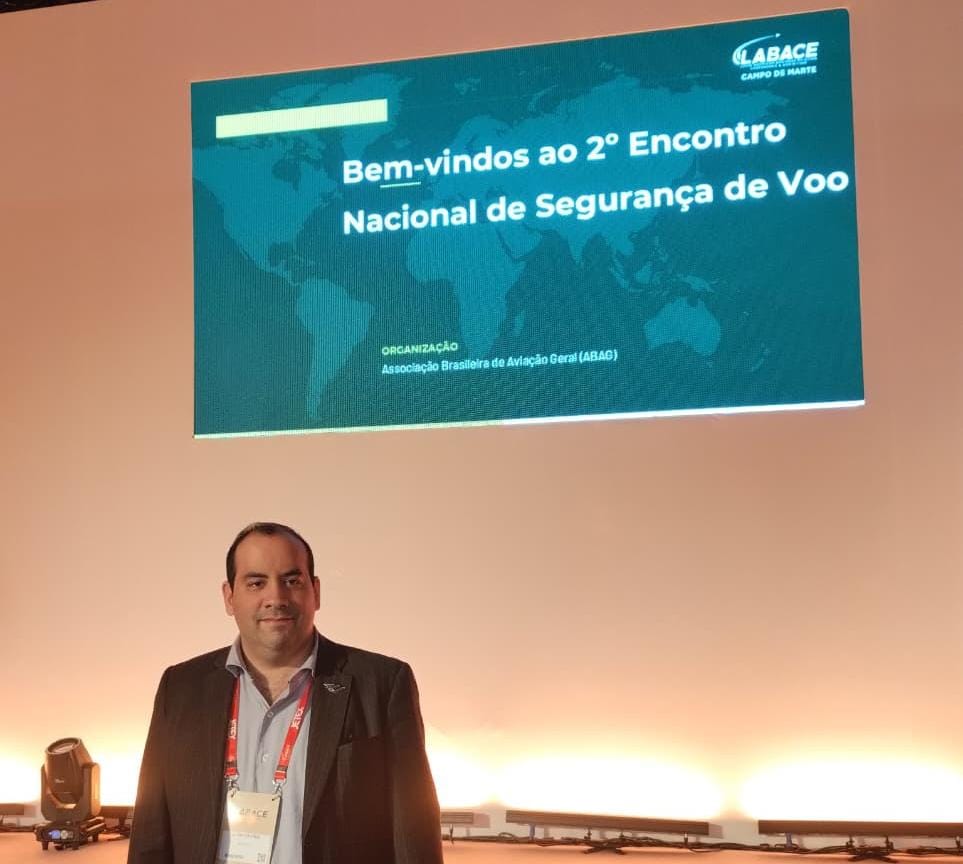
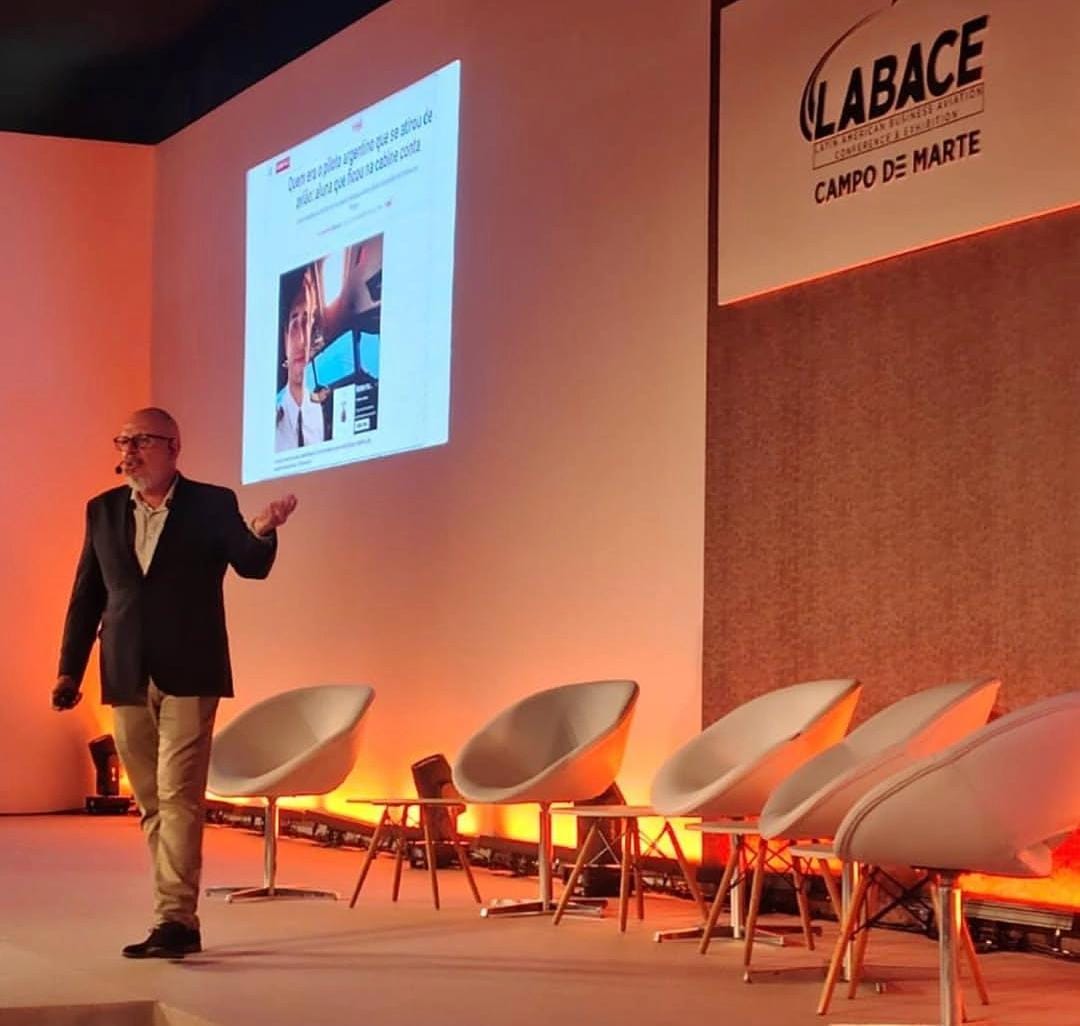
Within the framework of LABACE 2026, Aerowise took part in the 2nd National General Aviation Flight Safety Conference, organised by the Associação Brasileira da Aviação Geral (ABAG). In an industry where technology, automation and risk management systems are constantly evolving, the event placed its focus on a component that remains decisive in any complex socio-technical system and every aviation operation: people.
The central theme of this edition was mental health as it relates to operational safety, approached from a technical, multidisciplinary and prevention-oriented perspective. Modern aviation operates increasingly sophisticated aircraft, redundant systems, monitoring tools and processes designed to anticipate and mitigate risks. However, no safety architecture is entirely independent of the human factor. Decision-making, risk perception, performance under pressure, communication, leadership and emotional wellbeing are all integral components of the safety system.

Throughout the event, the links between mental health, human factors and operational performance were examined, together with the challenges organisations face in managing psychosocial risks and building more mature safety cultures. The programme also addressed tools and concepts associated with the AVV – ABAG Valorizando a Vida programme, leadership, prevention and team management, reinforcing a central idea: safety does not begin when an emergency occurs.
It begins much earlier, in the way an organisation prepares, supports and looks after the people who make critical decisions.
The agenda began with the presentation “AVV – Concepts and Tools”, delivered by Raul Marinho, Technical Director of ABAG, and Adriano Santos, Head of CSS/Safety at ABAG, who introduced the AVV – ABAG Valorizando a Vida programme and its focus on prevention and strengthening safety culture.
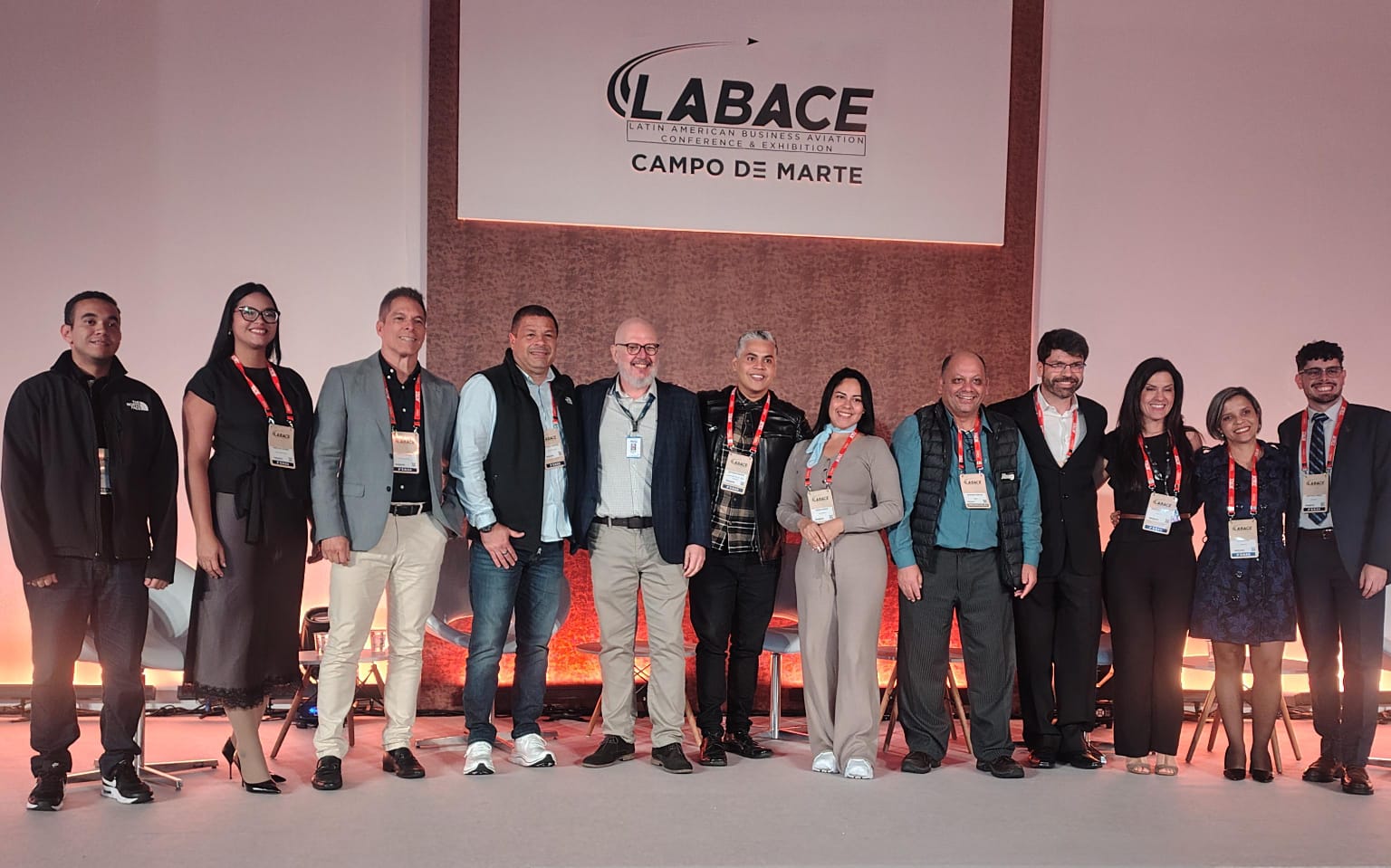
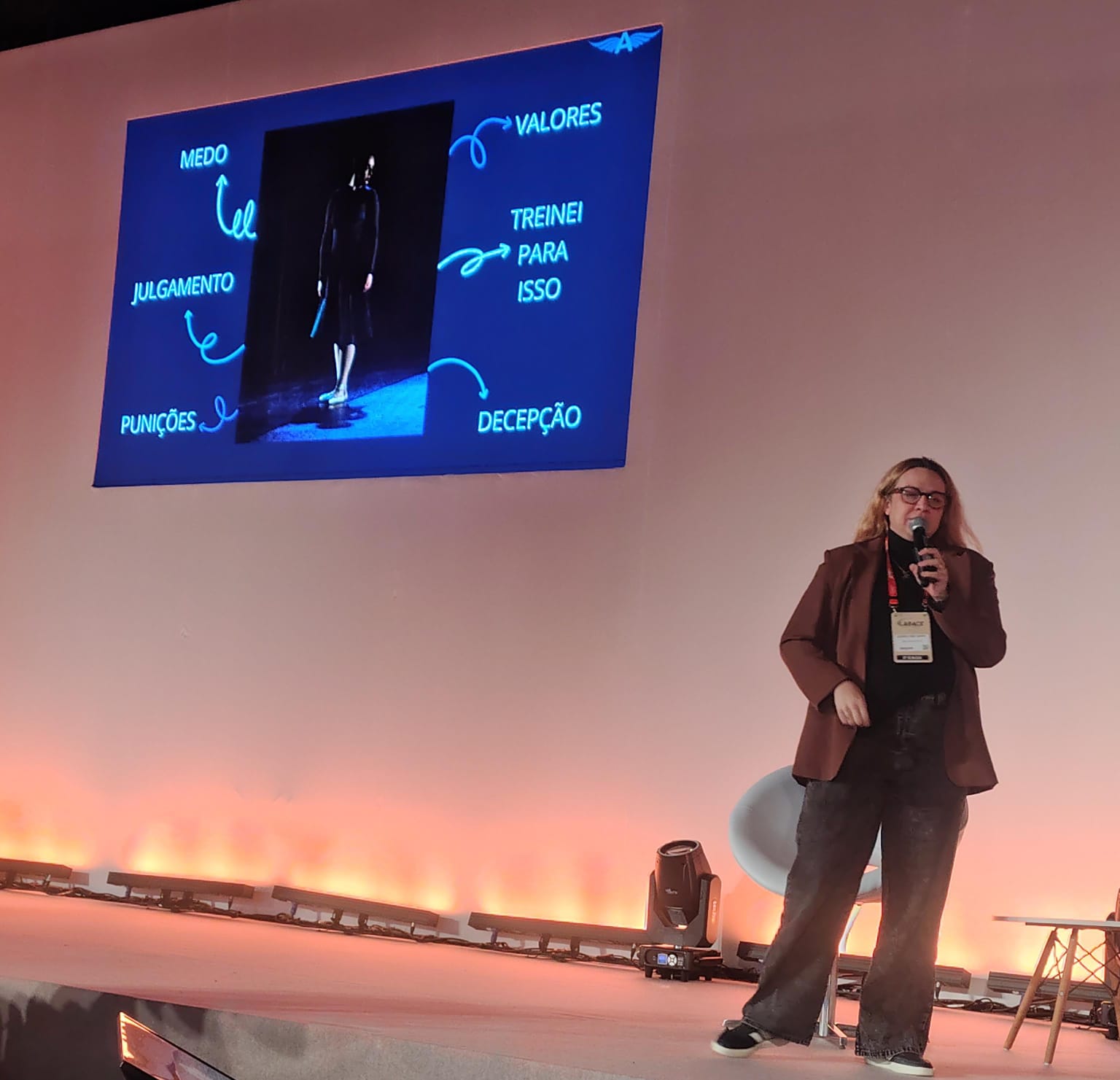
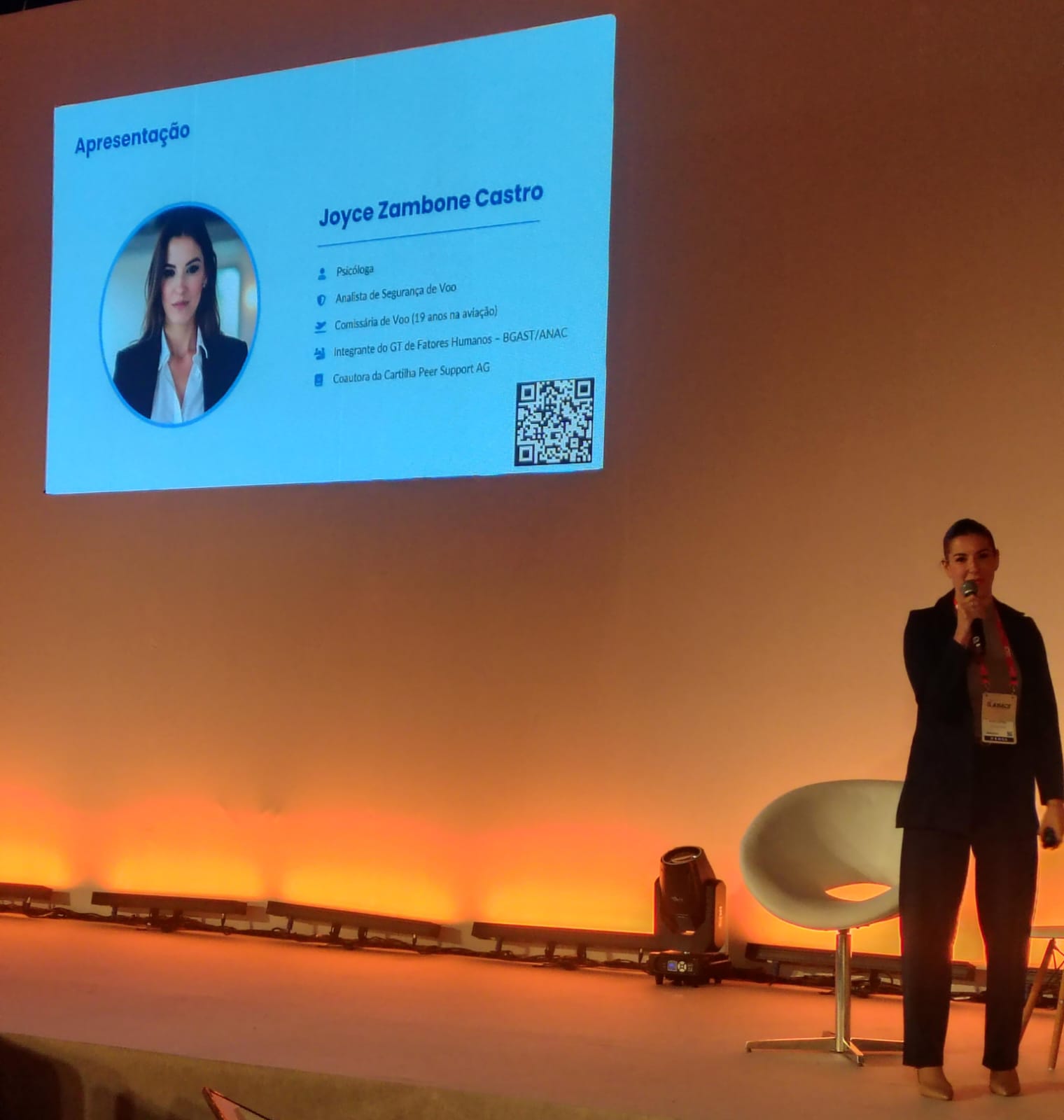
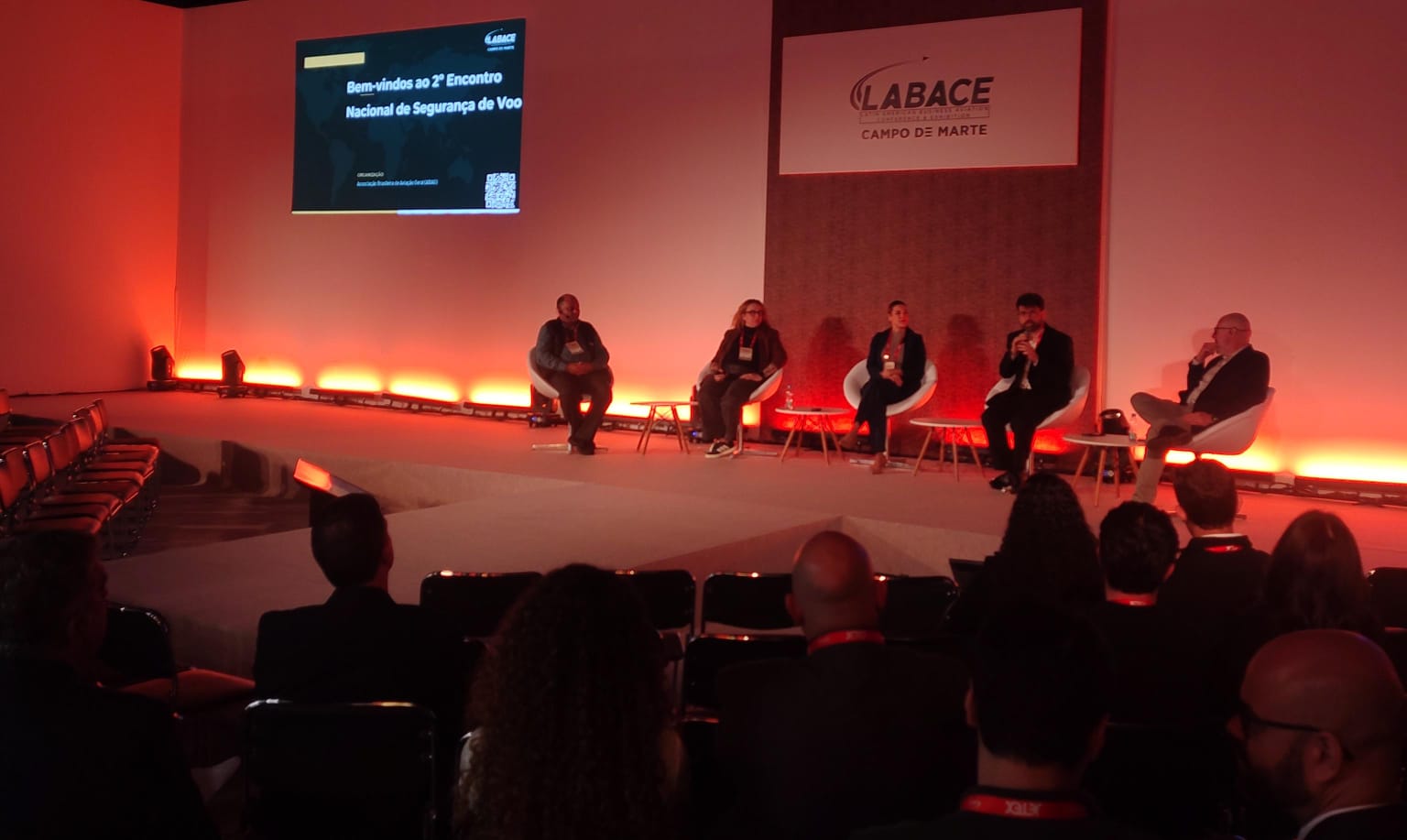
One of the key moments of the event was the “Mental Health – AVV” Panel, moderated by Raul Marinho, featuring Audrey Savini, Airbus A320 Captain and Human Factors Coordinator for Azul’s Mental Health Programme, and Joyce, psychologist, Flight Safety Analyst and cabin crew member.
The panel explored mental health from different perspectives within aviation operations, bringing together operational experience, human factors and professional support as fundamental elements of a comprehensive approach to safety management.
The event continued with the lecture “Mental Health in Complex Environments”, delivered by Dr Julio Tolentino, a specialist with a background in Neuroscience, a post-doctorate in Lifestyle Medicine, and a professor of Medicine at UNIRIO. His contribution explored in greater depth the challenges faced by people working in highly complex and demanding systems, where the ability to manage pressure, uncertainty and workload is critical to maintaining appropriate levels of performance and safety.
For Aerowise, this approach represents a necessary evolution of the traditional concept of operational safety. Moving from a culture based exclusively on procedures and compliance towards one capable of integrating data, technology, processes and human behaviour enables the development of safer, more resilient systems, better prepared for complex scenarios.
Because in aviation, technology can detect, automate and assist. But it is still people who interpret, decide and act.
Taking part in this event alongside leading figures from Brazilian general aviation was an opportunity to exchange knowledge, gain new perspectives and continue developing an operational safety vision aligned with the challenges of contemporary aviation.
At Aerowise, we believe that the next generation of aviation safety will not simply be more technological. It will also be more human, more predictive and more conscious of the fact that looking after people is one of the most advanced ways of looking after the operation.