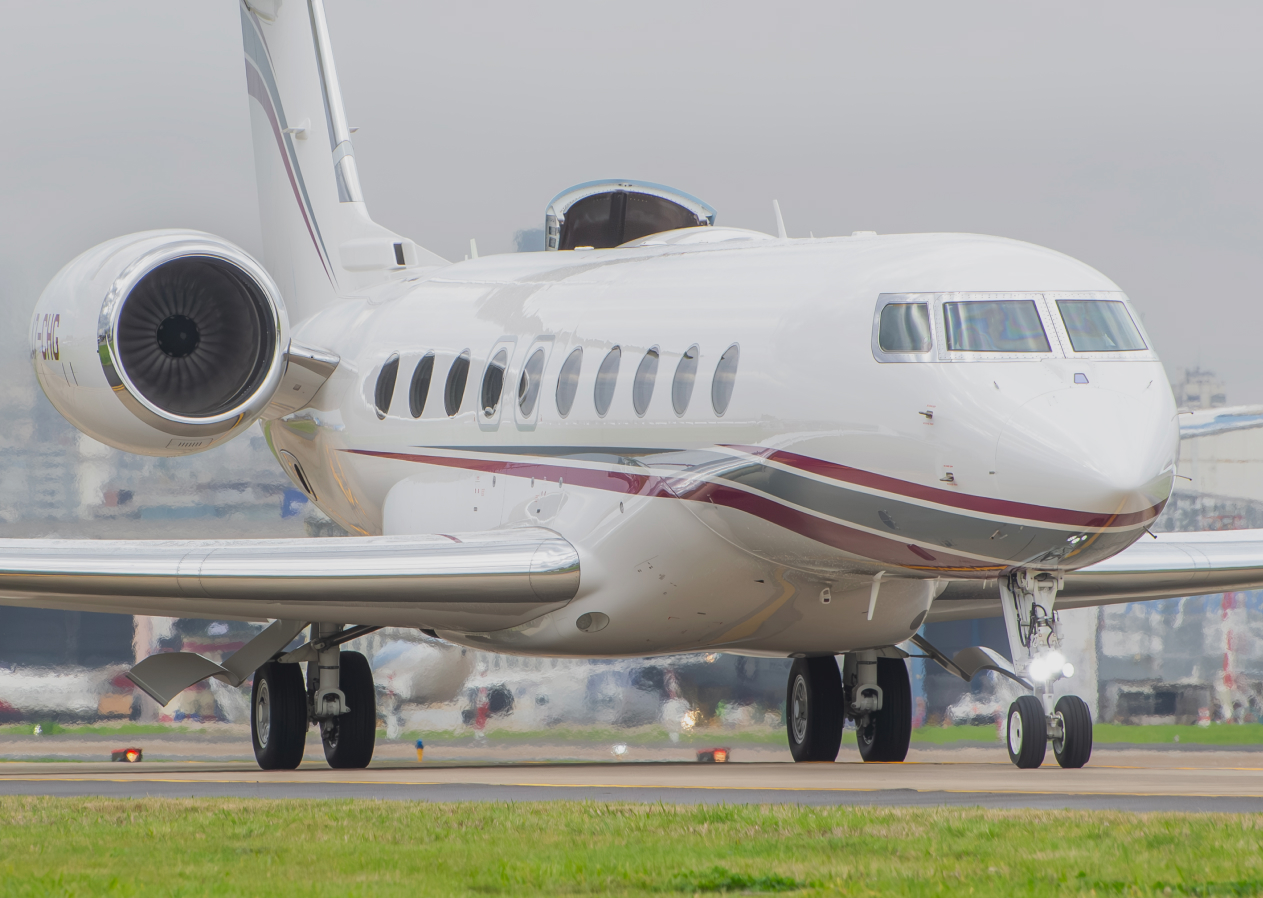
Anyone working in business aviation in Latin America knows the feeling.
The ramp is full. The aircraft are there Challengers, Citations, Phenoms, Globals. Newer fleets than people outside the region expect. More of them every year.
And yet, the operational experience often doesn’t match the hardware.
Slots go unconfirmed, handling quality varies dramatically between airports sometimes between handlers at the same airport. Trip support is improvised. The gap between what a client expects when they board a well-equipped jet and what actually happens on the ground is, in many operations, still significant.
This is the central tension in Latin American private aviation right now: a region with serious fleet size and genuine demand, operating without the institutional infrastructure that other markets built over decades.
The fleet is real
Latin America has one of the fastest-growing business aviation fleets in the world. Brazil alone accounts for the second-largest business jet fleet outside the United States. Argentina, Colombia, Mexico and Chile have seen consistent growth in aircraft registrations over the past decade.
The demand drivers are structural: geographic distances that make private aviation genuinely efficient, a business culture that values operational flexibility, and a growing base of high-net-worth individuals and companies for whom time is a real cost.
The aircraft are not the problem.
The infrastructure gap
What lags behind is everything that happens around the flight.
Ground handling at secondary airports is often underdeveloped or inconsistent. FBO infrastructure outside major hubs is limited. Trip support as a professional service coordinated, documented, accountable is still not standard practice across the region.
Regulatory frameworks differ significantly between countries and update frequently. Overflight permits, landing authorizations, customs coordination: each country operates under its own rules, and those rules change. Staying current requires dedicated expertise that most operators don’t have in-house.
The result is a market where operational quality is highly uneven. A well-coordinated flight and a chaotic one can depart from the same airport on the same day.
What professionalizing the industry actually means
It means building the layer of expertise and operational structure that sits between the aircraft and the destination.
It means trip support that is proactive, not reactive. Handlers who know the specific requirements of the airports they serve. Local contacts who can solve problems at 11pm when a slot gets cancelled or a customs officer needs documentation that wasn’t prepared.
It means raising the operational floor not just for top-tier operators, but for the entire market.
This is the work that doesn’t get talked about at industry events as much as new aircraft models do. But it’s the work that determines whether Latin American private aviation delivers on its actual potential.
Where Aerowise fits
We’re not a neutral observer of this process, we’re participants in it.
Aerowise was built specifically to provide the operational layer that Latin American aviation is still developing. Trip support that covers the complexity of operating across multiple jurisdictions. Ground handling coordination that accounts for local airport realities. Local knowledge that isn’t improvised it’s built from actual operational experience in the region.
When international operators and brokers send aircraft into Argentina, Uruguay or the broader region, they need a team that already knows what to expect. Not one that figures it out on the day of the operation.
That’s what we do.
The fleet is here, the demand is real. The infrastructure is being built and the companies investing in that work now are the ones that will define what professional private aviation looks like in Latin America over the next decade.
If you're operating in the region or planning to, we should talk.

ops@aerowise.aero
+54 11 5032 8215