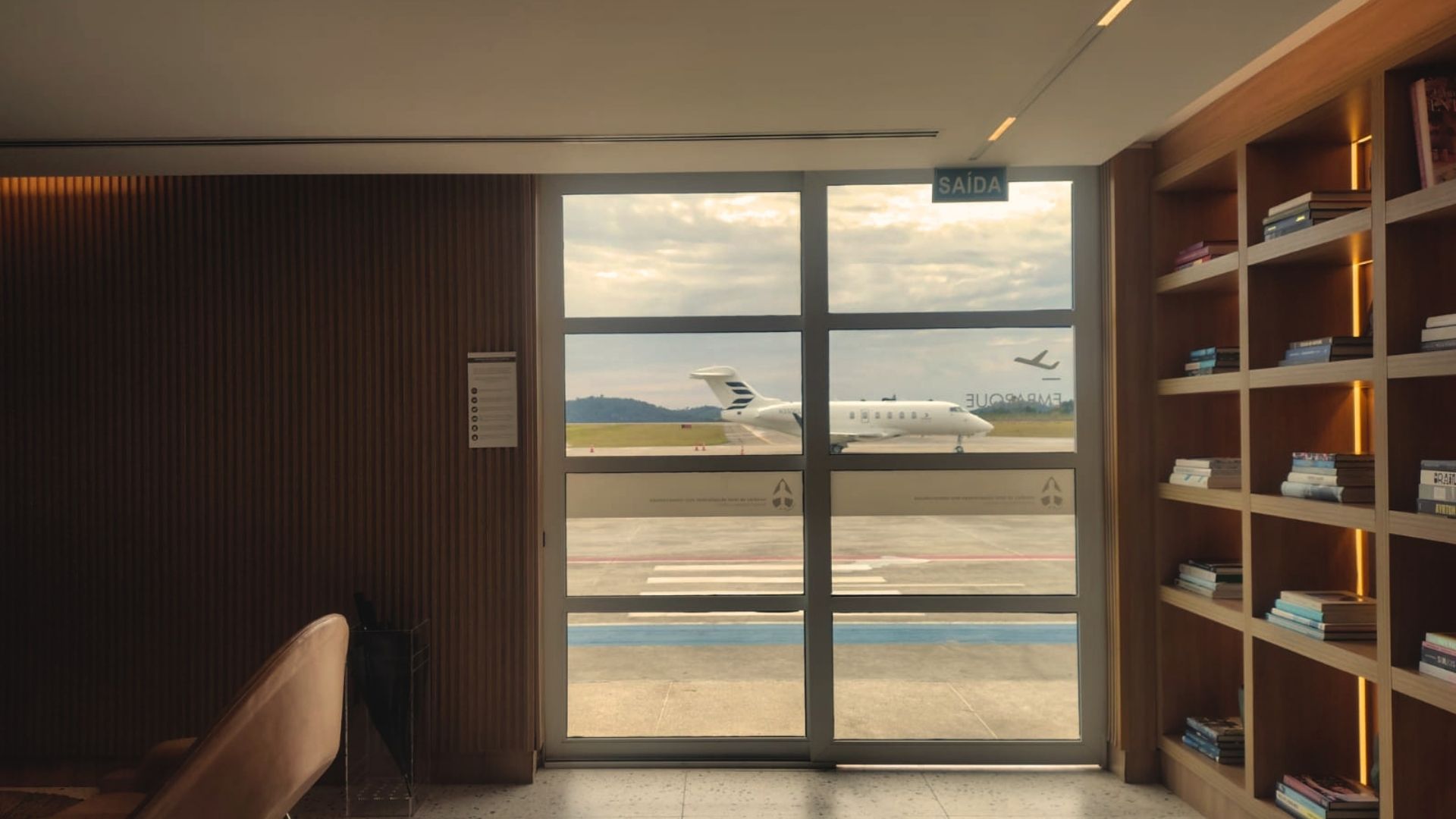
Most people associate business aviation with passengers, schedules and destinations. Yet some of the most demanding operations happen when there is no one sitting aboard. in the cabin.
Aircraft repositioning between bases, deliveries following a purchase, maintenance movements or cross-border relocations all have one thing in common: they are ferry flights. Although they carry no passengers, they require the same level of planning, coordination and regulatory oversight as any international business aviation mission—sometimes even more.
What is a ferry flight?
A ferry flight is any operation conducted to reposition an aircraft rather than transport passengers. An aircraft may need to reach a maintenance facility, be delivered to a new owner, relocate to another operating base or position itself for an upcoming charter mission.
While the purpose of the flight changes, the operational complexity does not. Every international ferry flight still requires permits, documentation, airport coordination and compliance with the regulations of every country involved in the operation.
The aircraft becomes the mission
Unlike a passenger flight, where the focus is naturally on the people onboard, a ferry flight is centered on transporting one of the operator’s most valuable assets.
That means every operational decision revolves around protecting the aircraft while ensuring complete regulatory compliance. Depending on the mission, this may include overflight and landing permits, customs coordination, import or export requirements, airworthiness documentation, airport slots, fuel planning and ground handling arrangements.
Each of these elements has its own timeline, authority and approval process. Missing just one can delay the entire operation.

Coordination is what keeps the operation moving
One of the greatest challenges of ferry flights is that international aviation is anything but standardized. Every country operates under its own regulatory framework, with different permit procedures, customs requirements and operational timelines.
Knowing the regulations is essential, but knowing how to navigate them efficiently is what makes the difference between an aircraft departing on schedule or remaining on the ramp waiting for a missing approval.
Professional ferry flight coordination is about much more than paperwork. It means anticipating requirements, coordinating every stakeholder involved and ensuring each stage of the operation is aligned before the aircraft ever starts its engines.
Where Aerowise fits
Aerowise coordinates ferry flight operations for aircraft deliveries, maintenance repositioning, import and export processes, positioning flights and complex international relocations.
Our operations team manages permits, documentation, airport coordination, handling arrangements and real-time operational support throughout every stage of the mission. Whether the flight involves one country or several, we work alongside operators, owners and brokers to ensure every detail is coordinated before departure—not solved after takeoff.
——-
An empty cabin doesn’t mean a simple operation.
Behind every successful ferry flight is a carefully coordinated network of permits, documentation, authorities and operational decisions that allow an aircraft to move safely, compliantly and on schedule.
Moving an aircraft is never just another flight. It’s an operation—and one that deserves the same level of planning and expertise as any mission carrying passengers.
Planning a ferry flight? Let’s coordinate every detail from the start.
📩 ops@aerowise.aero
📞 **+54 11 5032 8215